 11
11

Pet owners are increasingly worried if their cats can catch COVID-19. This virus mainly affects humans. Yet, cats face their own coronavirus, Feline Coronavirus (FCoV), which can turn deadly as feline infectious peritonitis (FIP). Now, the big question is how SARS-CoV-2 affects cats. There have been cases of cats getting the virus. But, pets spreading or getting COVID-19 is not very common.
To understand how COVID-19 affects cats, we must know about two different viruses. One is the human coronavirus (SARS-CoV-2), the other is the Feline Coronavirus (FCoV). SARS-CoV-2 is causing the human pandemic. FCoV affects cats and can lead to a serious condition called Feline Infectious Peritonitis (FIP).
Even though these viruses are different, both spread quickly among their species. Studies show a keen interest in COVID transmission in cats from humans. Learning about this transmission is very important as research continues.
A comparison of these two viruses is vital:
| Virus | Species Affected | Health Impact |
|---|---|---|
| SARS-CoV-2 | Humans | Severe respiratory and systemic symptoms, mainly in older adults |
| FCoV | Cats | Can mutate to cause FIP, which is often fatal in kittens and young cats |
Feline COVID-19 is getting a lot of focus because it can spread from animals to humans. It’s also key to know the risks FCoV has for cats. Understanding these viruses better helps us protect cats during the pandemic.
The World Health Organization (WHO) and the World Small Animal Veterinary Association (WSAVA) say there’s no solid proof pets can majorly catch or spread COVID-19. Still, some animals have caught the virus from humans.
This issue has made people wonder about the risk to pets. Pet owners are especially worried. They often ask, “can my cat get coronavirus?” They want to keep their pets safe.
Experts advise that if a person is sick, they should avoid close contact with their pets. It’s crucial to follow advice from trusted sources. This helps keep our pets safe and healthy.
| Organization | Position on COVID-19 in Cats |
|---|---|
| WHO | No conclusive evidence of significant pet transmission |
| WSAVA | Minimal cases of pet infection, precaution advised |
In the end, it’s hard to say for certain if cats can get COVID. But, by following the latest research and expert advice, we can protect our pets.
Cats can get sick with COVID-19, just like people. It’s important to know the symptoms of COVID in cats to keep them healthy. Cats may show signs in their breathing, stomach, and how they act.
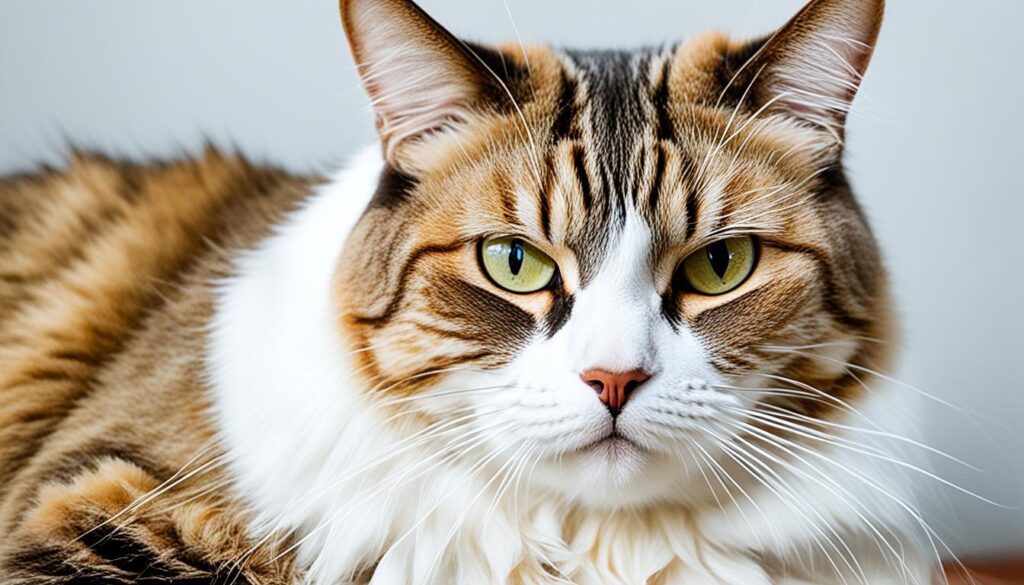
Cats with COVID-19 may cough, sneeze, or have a hard time breathing. These signs are similar to what humans experience. If your cat has trouble breathing, they need to see a vet right away.
Cats can also have stomach issues if they catch COVID-19. Look out for vomiting, diarrhea, or a change in how much they eat. These signs mean the virus may be affecting their stomach.
A cat’s behavior might change if they have symptoms of COVID in cats. They could become tired, eat less, or seem uncomfortable. Keeping an eye on any new behaviors is key, especially if they’ve been near someone with COVID-19.
Pet owners need to know about COVID-19 and Feline Coronavirus (FCoV). FCoV is only found in cats and could cause stomach problems. Sometimes, it can change into Feline Infectious Peritonitis (FIP), which is very serious for cats.
SARS-CoV-2 is the virus that causes COVID-19 in people, but it’s different from FCoV. While SARS-CoV-2 can sometimes infect cats, it mainly makes humans sick. FCoV, however, only infects cats and can turn into FIP, which is a big health risk for them.
Feline Infectious Peritonitis (FIP) shows up in two ways: wet and dry. The wet type leads to fluid build-up, causing swelling and pain. The dry type hurts the organs, eyes, and brain.
If you’re worried about can cats have COVID, remember FIP symptoms are very different. Keeping cats healthy can prevent COVID in cats and lower stress and risks.
People worry about cats getting COVID-19 from humans. Many studies show cats can catch the virus from their owners. But, this doesn’t happen often. It shows that viruses can move between different kinds of living beings.
It’s very important to watch our cats’ health closely during COVID times. We’re not sure yet how easily cats can pass the virus to each other or back to humans. We need to be careful. Understanding how COVID spreads in cats and what it means for us and our cats requires more research.
| Aspect | Details |
|---|---|
| Documented Cases | Yes, though rare |
| Human-to-Cat Transmission | Confirmed |
| Cat-to-Human Transmission | Unclear |
| Research Status | Ongoing |
To protect our cats during COVID, being careful and keeping clean is key. Cat owners need to follow the latest research. This helps keep our furry friends safe and healthy.
The pandemic makes us think carefully about how to prevent COVID in cats. We need to take steps to keep our furry friends safe.
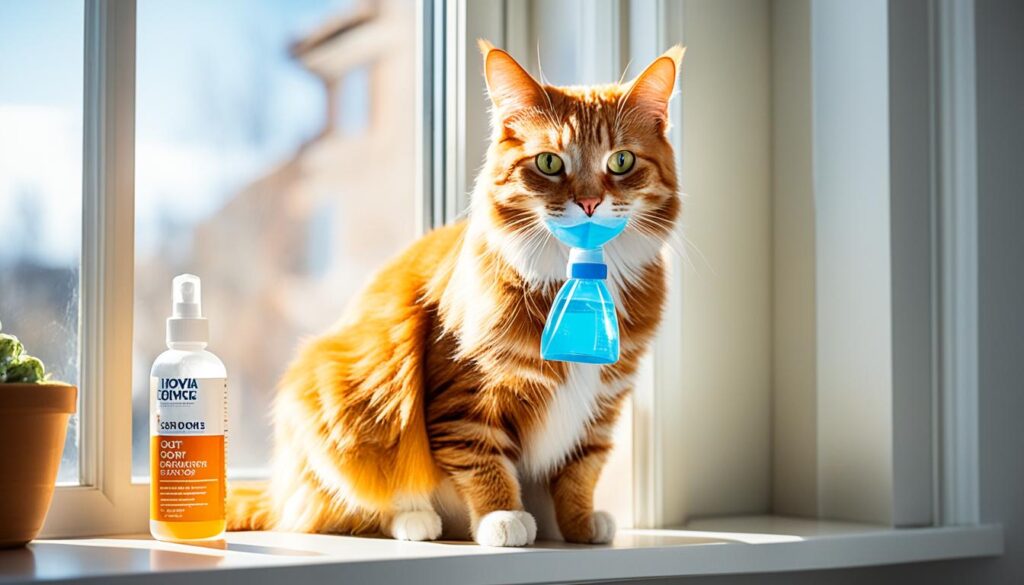
Keeping cats away from sick people is key. Here’s how:
Feline coronavirus precautions mean being clean. Remember these points:
Following these simple, important steps helps prevent COVID in cats. This keeps them healthy during tough times.
It’s crucial to keep cats safe during the COVID-19 pandemic. Cat owners need to make sure their pets are in a safe place. This is especially true if they’ve been around someone with COVID-19.
Keeping clean is key for spaces where cats hang out. Clean and disinfect often, especially where they eat and use the litter box. It’s vital to reduce stress for cats since stress can make Feline Coronavirus worse.
Think about these feline coronavirus precautions:
By doing these things, you not only prevent COVID in cats but also make a healthier space for them.
| Precaution | Details |
|---|---|
| Cleaning | Regularly disinfect areas the cat frequents. |
| Limiting Interaction | Minimize contact with COVID-19 positive individuals. |
| Sanitizing Litter Boxes | Clean litter boxes and feeding areas frequently. |
| Managing Stress | Create a stress-free environment to prevent FCoV exacerbation. |
Using these strategies is vital for keeping cats healthy during the pandemic. It shows how important feline coronavirus precautions are.
To keep feline health during COVID top-notch, follow vet guidelines made for these times. Regular check-ups and quick action during emergencies help maintain feline health during COVID.
Regular vet visits are crucial now to watch over feline health during COVID. Early on, these checks spot health issues. They help your cat get needed shots and care.
During these visits, vets give advice to keep your cat well in a COVID world.
In emergencies, fast vet care is critical. If a cat shows severe symptoms or faces a serious problem, it’s time for care. Vets have adjusted to keep everyone safe. They use telehealth and curbside services for pet and owner safety.
It’s key to know when to get urgent care and not wait because of the pandemic. Quick action is important for your cat’s health.
Keeping cats safe from COVID-19 is key. Owners can protect their pets by doing tests and learning about vaccines and treatments.
Early testing can tell if cats have been exposed to the virus. This allows vets to care for them quickly and keep the virus from spreading. Pet owners should talk to vets about the best tests.
There are no vaccines yet for cats against COVID-19. But, research is ongoing. For now, following vet advice is the best strategy. Keeping up with new treatments and vaccines is also important.
Ensuring home care for cats with COVID involves key steps. It’s about keeping them healthy and well. This includes watching their health closely, managing stress, and keeping things clean to stop the virus.
Watching your cat’s health is key. Look for any changes in how they act, eat, or breathe. Acting fast on these signs helps avoid bigger problems.
Keeping a clean home is critical. Clean surfaces often and keep sick people away from pets. Also, handle cat litter the right way. These steps lower the virus risk and keep pets healthier.
It’s also vital to keep your cat’s stress low. Make little changes in their routine. Avoid things that stress them out. This helps keep them comfy and calm during the pandemic.
| Care Aspect | Recommendations |
|---|---|
| Health Monitoring | Observe behavior, appetite, and respiratory function regularly. |
| Clean Environment | Disinfection of surfaces, isolation from infected individuals, and proper litter handling. |
| Stress Management | Delay non-essential procedures and avoid stressful events. |
Following these steps ensures good home care for cats with COVID. It also keeps their health up during these tough times. Doing these things makes a safe place for pets.
Studying cat health during the COVID-19 pandemic shows low risk. Yet, the risk isn’t zero. Owners should keep up with info about how COVID affects cats. They need to know how SARS-CoV-2 impacts cats compared to other viruses, like Feline Coronavirus (FCoV).
Studies and cases proved cats can get SARS-CoV-2 from close contact with people. But, such cases are rare. The chance of cats spreading the virus to others is low. Still, taking good care of cat health is vital. This means keeping clean and away from sick people.
To answer if cats can catch COVID, stay informed via reliable sources. Talk with vets often. Follow health advice for pets to keep them safe. By doing so, pet owners can protect their cats. This way, cats stay healthy even with the pandemic around.
Yes, cats can get the virus that causes COVID-19. But, it’s rare for cats to get it from humans. And pets spreading it to people is not likely.
Cats may cough or find it hard to breathe. They might also throw up or have diarrhea. And they could act tired or not want to eat.
Keep your cat away from sick people to prevent the virus. Clean their things often. Also, listen to your vet’s advice on how to keep them safe.
There’s no proof cats can give the virus to people. The cases we know of were from human to cat, not the other way.
If your cat seems sick, like coughing or not eating, call your vet right away. Watching their health is key.
Yes, there are tests for cats. These tests can tell if your cat has been near the virus or caught it.
SARS-CoV-2 is the human virus, and FCoV hits cats. FCoV can cause a serious disease in cats. Both spread easily but to different species.
Take your cat for vet check-ups often. Keep their living area clean. Help them stay calm. And keep them away from sick people while staying clean yourself.
No vaccines for cats against COVID-19 exist yet. Scientists are looking for ways to protect cats from the virus.
If you’re sick, try not to be around your cat too much. Always wash your hands before and after touching them. Keep them away from your family if you can while you’re sick.
FIP comes from a different cat virus, not the one causing COVID-19 in people. But knowing about each helps in caring for cats.
Yes, clean your cat’s things and where they hang out often. Washing your hands a lot is good, too. It helps stop viruses from spreading between species.