 11
11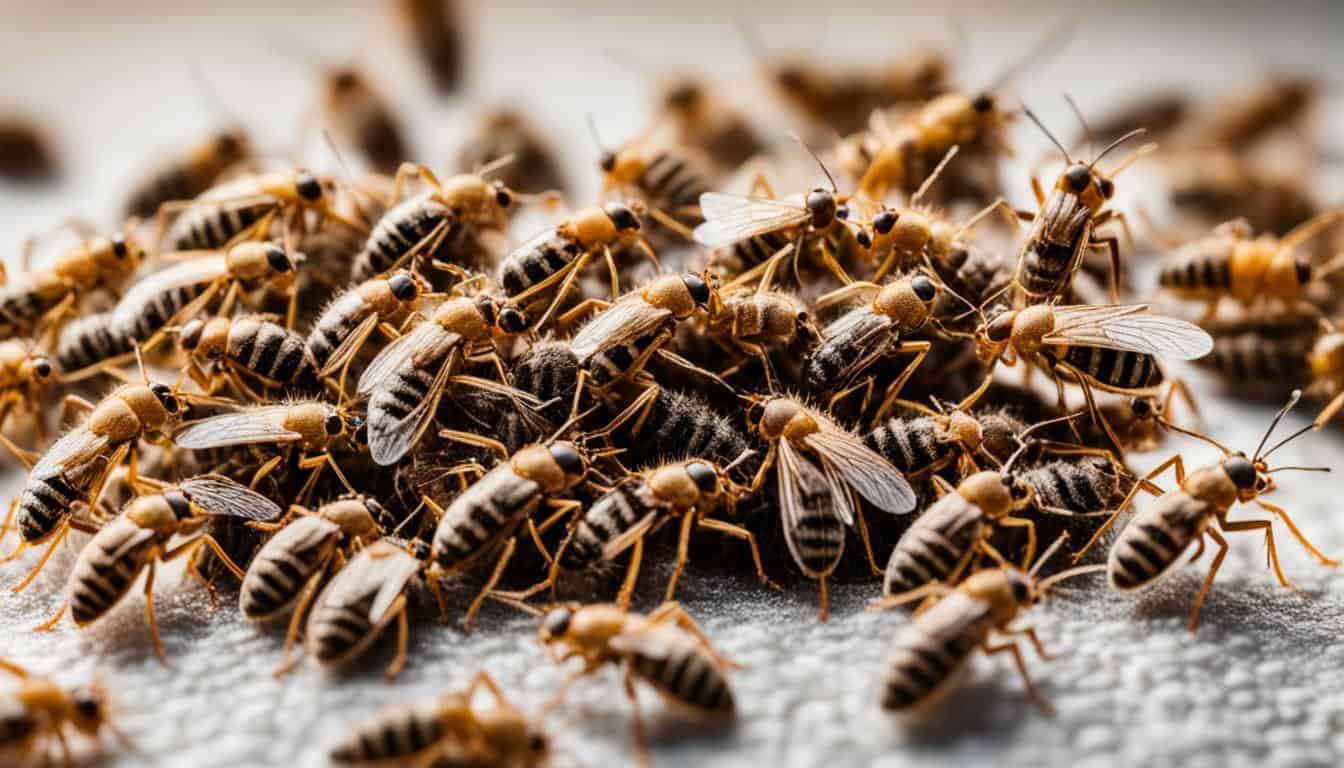

Fleas are dangerous to dogs and can even be deadly. It’s important for owners to know the risks. They must protect their pets against fleas. This piece will talk about the risks of fleas and offer tips to prevent them and keep dogs safe.
By knowing the dangers of fleas and how to stop them, you can keep your pet safe. Stay informed and protect your dog. This way, you and your dog can enjoy a life without fleas.
Fleas are small, wingless insects threatening dogs. They live in animals’ fur and on the ground, hard to eliminate. Knowing about fleas’ life stages and effects on dogs helps prevent and treat them.
Fleas are bugs that live off blood from hosts like dogs. A female flea can lay hundreds of eggs. These eggs turn into larvae, then pupae, and finally adults. This cycle can be quick, letting fleas spread easily.
There are four stages in a flea’s life: egg, larva, pupa, and adult. It’s vital to understand these to control fleas.
Fleas are survival experts, with a life cycle made for quick growth and spread. Good flea control means stopping this cycle with the right treatments and prevention.
Fleas can badly affect dogs’ health. Flea bites cause itching and discomfort. Dogs may scratch a lot, causing wounds and skin infections.
Fleas can also spread diseases to dogs. These include:
It’s crucial to know about diseases fleas can pass to dogs:
| Disease | Symptoms |
|---|---|
| Tapeworms | Weight loss, stomach issues, anal itching |
| Bartonellosis | Fever, joint pain, swollen glands, organ trouble |
To prevent fleas, use flea treatments regularly, like spot-ons or pills. Keep your home clean, vacuum often, and wash pet bedding. Groom your dog often and check their fur for fleas to stop them from spreading.
Fleas are key in spreading tapeworms to dogs. They carry the eggs. Dogs can get these eggs inside them by swallowing flea during grooming.
When dogs eat these fleas, the tapeworm eggs hatch inside them. They live in the small intestine. Tapeworms can be harmful because they take nutrients and cause weight loss.
Dogs may itch their behinds or drag it on the ground if they have tapeworms. They might also feel unwell and eat less.
Quick treatment is necessary to get rid of tapeworms in dogs. Vets give medicines like praziquantel to kill the tapeworms. The dog’s body then gets rid of them.
To stop more tapeworms, fight the fleas. Use flea medicine often, keep your dog clean, and clean your house well. This will lower the chance of tapeworms coming back.
By fighting fleas and treating tapeworms on time, dog owners can keep their pets healthy and comfortable.
| Type of Worm | Length | Symptoms |
|---|---|---|
| Tapeworms | 3-8 inches | Anal itching, irritation, weight loss |
| Roundworms | 3-5 inches | Vomiting, diarrhea, potbellied appearance |
| Hookworms | 0.2-0.5 inches | Anemia, pale gums, weakness |
Fleas can carry harmful bacteria, like Bartonella. It can infect dogs and lead to a serious condition called Bartonellosis. Dogs with Bartonella might cough, have diarrhea, vomit, get a fever, and their eyes and nose might irritate. They might also have trouble walking, develop arthritis, swollen lymph nodes, and their liver and spleen could swell up.
Seeing a vet right away and starting antibiotics are crucial if you think your dog has Bartonellosis. This is because it’s a severe disease.
To lower the chance of your dog getting Bartonella, you should prevent flea infestations. It’s important to stick to a pest control plan which includes regular flea treatment. Make sure your pet gets monthly flea medicine to kill fleas and stop more from coming.
Staying away from places where there are many fleas and stray animals can also lower the risk. Fleas like areas where there are infected animals. So being careful in these places is very important.
Also, regular baths and combing can help get rid of fleas on your dog’s fur. This reduces the risk of them getting Bartonella. Talking to your vet about the best flea control products and preventive actions is a good idea.
Bartonellosis can show up in many ways in dogs. Here are some common signs:
If your dog shows any of these signs, you must get them to a vet quickly. Diagnosing and treating Bartonellosis early is key to handling it well.
Fleas suck blood from animals, and many bites can make dogs anemic. A bunch of fleas on one dog is really dangerous, especially for little breeds, puppies, and those with few red blood cells. Anemia can seriously harm or even kill these pets. To stop anemia, it’s key to prevent fleas by using medicines that kill fleas and stop larvae from growing.
Flea attacks can drop a dog’s red blood cell count fast as they can get bitten lots in a short time. This can lead to anemia. Anemic dogs might look weak, tired, have pale gums, breathe fast, and have a quick heartbeat. Toys breeds like Chihuahuas and Maltese are at high risk because flea bites take more of their small blood supply.
Young dogs get anemia easier because they’re still growing strong bodies. Also, dogs with health issues like immune illnesses or cancer could get anemia easier if fleas bite them.
To keep dogs safe from flea bites, owners should use flea control all the time. Vets suggest certain medicines to kill fleas and break their life cycle. It’s important to use these medicines right to make sure they work well.
“Anemia caused by fleas can be very bad for dogs, leading to organ damage or death. Dog owners must act early to stop fleas to keep their dogs safe.” – Dr. Emily Johnson, Veterinarian
Dog owners need to keep their homes clean by vacuuming and washing places where fleas might live. Grooming with brushing and baths can get rid of fleas too. If a dog might have anemia, seeing a vet right away is needed for tests and treatment to help the dog get better.
| Risk Factors | Explanation |
|---|---|
| Multiple flea bites | Repeated flea bites can result in significant blood loss, leading to anemia. |
| Toy breeds | Smaller dogs, such as Chihuahuas and Yorkshire Terriers, are more susceptible to anemia due to the relatively larger impact of flea bites on their blood volume. |
| Youth | Puppies have underdeveloped immune systems, making them more vulnerable to anemia caused by flea infestations. |
| Pre-existing low red blood cell count | Conditions like immune-mediated diseases or certain types of cancer can increase the risk of anemia when a dog is infested with fleas. |
To prevent anemia in dogs, owners need to work on flea control. By using the right flea medicines, keeping the home clean, and getting vet help when needed, owners can protect their dogs from anemia.
Flea bites can cause an allergic reaction in some dogs called contact dermatitis. When fleas bite, their saliva makes the dog’s immune system release histamine. This leads to itchy and red welts on the skin.
Dogs with this problem may scratch, lick, or chew their skin. This can make the skin more irritated. It might even cause broken skin and infections.
Preventive medicines can keep fleas away from your dog. They reduce flea bites and the allergic reactions. Keeping your lawn neat and vacuuming your home are also key to prevent fleas.
If your dog shows symptoms of contact dermatitis, see a vet. They can give a proper diagnosis and treatment plan.
If your dog has flea bites, you might see:
If these symptoms show up, get help from a vet. They can provide the right diagnosis and treatment.
To fight flea allergy dermatitis and contact dermatitis, follow these steps:
Being proactive against flea infestations protects your dog. It keeps them comfortable and healthy.
It’s very important to look for fleas on dogs to keep them healthy. Look for signs like a lot of scratching or flea dirt, which is actually flea poop. Finding these early can help you take care of the problem fast.
Flea dirt looks like tiny black dots on your dog or in their bed. If you see these, it means fleas are around. It’s really flea poop, which is digested blood. Don’t ignore this sign.
To get rid of fleas, you can start by combing them out. Use a flea comb to pull fleas and their eggs from your dog’s hair. This stops the fleas from spreading more.

You can also give your dog oral medication from a vet. These meds kill adult fleas and stop them from coming back.
There are creams you can put on your dog’s skin for flea protection. Flea shampoos and sprays are good too. They kill fleas right away and help your dog feel better.
If you want to make sure your dog gets the best treatment, talk to a vet. They can tell you which flea medicine is best and how to use it right.
To get rid of fleas in your home, tackle the problem fully. This means treating your dog and the environment you live in. Use regular flea control and prevent them to keep your home flea-free for you and your pet.
Vacuuming regularly is crucial for controlling fleas. Focus on areas where fleas and their eggs hide, like floors and furniture.
“Regular vacuuming helps remove flea eggs and larvae from your home, disrupting their life cycle and preventing further infestation.”
Always dispose of the vacuum bag or empty the canister right away. Put the waste in a plastic bag and throw it out in an outside bin.
Use flea treatments made for home and yard for better results.
“Using sprays and powders for indoors can target fleas in hidden spots.”
Read and follow the flea treatment instructions carefully. Treat places like the basement and outdoors where fleas might live.
Stopping fleas from coming back takes ongoing work. Keep your home clean to avoid future problems.
“To keep fleas at bay, it’s essential to continue using monthly flea and tick medications for your dog and regularly clean and treat your home.”
Ask your vet which flea medications are best for your dog. These help stop fleas from growing and break their life cycle. Also, clean your pet’s bedding often and keep your home tidy to reduce the risk of fleas.
Keeping dogs safe from fleas is key for their health. Fleas bring major risks like diseases and allergic reactions. Stops flea infestations is a must for dog owners.
Regular flea medication is a top method to fight fleas. It kills fleas and stops new ones from growing. Regular grooming also helps find and remove fleas from a dog’s fur.
Keeping your home clean is a big piece of controlling fleas. Vacuuming often helps get rid of flea eggs. Using special flea control products in your house also helps.
By staying ahead and using these tips, dog owners can keep their pets flea-free. Taking care of flea problems makes sure dogs stay healthy. It also keeps your home safe from fleas.
Yes, fleas can be very dangerous to dogs. They bring serious health risks that could be deadly if ignored. It’s important for dog owners to know these risks. They should also take steps to keep their pets safe from fleas.
Fleas make dogs itch a lot, cause allergies, and irritate their skin. They spread diseases like tapeworms and Bartonellosis. This can cause even more health problems for dogs.
To keep your dog safe, use medications that kill fleas and stop larvae from growing. Doing this regularly is key to protecting your dog from fleas and their dangers.
Fleas spread diseases like tapeworms and Bartonellosis. These can cause dogs to have more health issues. Knowing about fleas and the diseases they carry helps in preventing and treating these problems effectively.
Signs of tapeworms include itching around the tail, being irritated, and dragging the bottom on the ground. Dogs need the right medicine quickly to get rid of tapeworms and feel better.
Bartonellosis is a severe illness caused by the Bartonella bacteria. Infected dogs may cough, have diarrhea, throw up, fever, and get eye and nose irritation. They might also have sore joints, swollen lymph nodes, and bigger liver and spleen.
Keep your dog away from fleas and other pests to lower the risk of Bartonellosis. If you think your dog is infected, see a vet right away. Early treatment with antibiotics is essential.
Yes, when many fleas bite a dog, it can lead to anemia. Anemia is very serious and can even kill small dogs, puppies, and dogs that are already weak.
Some dogs are allergic to flea bites, which causes contact dermatitis. This allergy makes the skin itchy and red because of the body’s reaction to flea saliva.
Look for signs like a lot of scratching, biting, and flea dirt on your dog. You can treat fleas by combing them out and using treatments like pills, skin medicines, and special shampoos and sprays.
To get rid of fleas in your home, you need to treat both your dog and your house. Vacuum often, throw away the vacuum bag, and use specific flea treatments indoors and outside.
Flea prevention is very important for a dog’s health and happiness. Regularly using flea treatments, keeping your dog clean, and maintaining your home can help avoid fleas and their health problems.