 11
11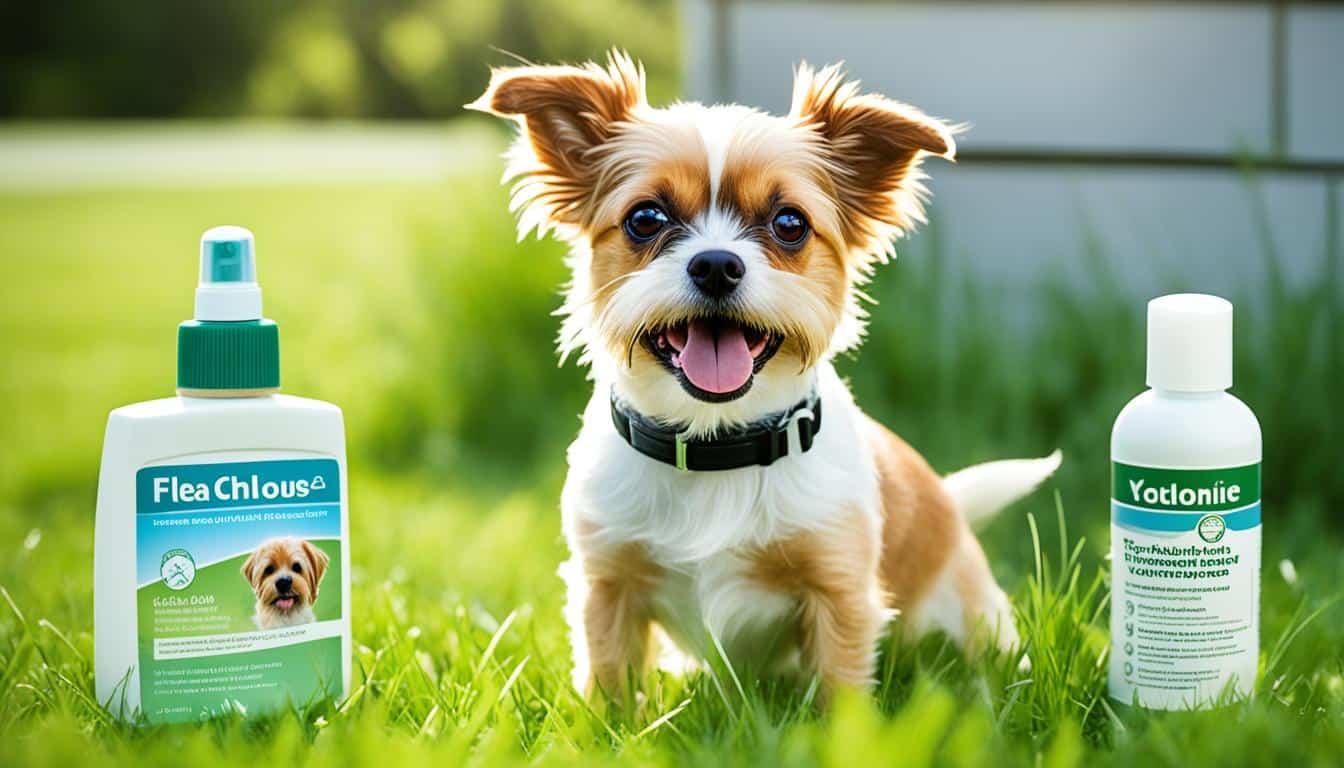

Fleas and ticks can seriously harm dogs’ health and spread diseases. It’s best to use monthly treatments to keep pests away from dogs. You should begin fighting fleas and ticks when dogs are 8 weeks old and keep it up all year.
Choosing the right medication depends on the dog’s size, where you live, how much time they spend outside, and their health. There are various options for keeping fleas and ticks away, like pills and creams. To pick the right treatment, always talk to a vet.
Fleas and ticks are harmful bugs that hurt dogs’ health. They bite and feed on dogs’ blood, leading to health problems.
Flea bites cause allergies, skin issues, blood loss, and a lot of itching in dogs. This itching can make the skin worse and lead to infections. Fleas can also bring tapeworms into dogs, hurting their health even more.
Tick bites can be very harmful to dogs. They can spread severe diseases like Lyme disease and Rocky Mountain spotted fever. If not treated, these diseases can cause joint pain, fever, and even death in serious cases.
It’s also key to remember these bugs don’t only affect dogs. They can also be dangerous to humans. So, stopping flea and tick problems in dogs helps keep both pets and people safe and healthy.
“Fleas and ticks can cause various health complications in dogs, including allergies, dermatitis, anemia, and intense itching. Tick bites can transmit dangerous diseases. It’s essential to prioritize flea and tick prevention to keep dogs healthy and protect them from the harmful consequences of infestations.”
To protect dogs from fleas and ticks well, prevention is key. Using products vets recommend is critical for their health. By doing this, dog owners can keep their pets safe from flea and tick bites.
Fleas and ticks are a danger to dogs all year. Dogs should start flea and tick prevention at 8 weeks old. This early defense helps protect them from these pests for life.
Dogs need flea and tick prevention whether they’re indoors or outside. Pests can enter homes on other pets or people. Keeping up with prevention helps keep your pet safe from health risks.
Skipping flea and tick prevention in cold months is risky. It leaves dogs open to infestation. Using prevention all year ensures your dog is always protected.
Consistency is critical in stopping fleas and ticks. Regular prevention disrupts the pests’ life cycle. This reduces the chance of an infestation at home.
Talk to a vet to find the best flea and tick prevention for your dog. They consider your dog’s breed, size, age, and health. The vet will suggest the best options.
Your location affects what products you need. Some places have more fleas and ticks. A vet can recommend the right prevention for where you live.
Look into oral or topical treatments. Consider what works best for your dog and lifestyle. Some dogs prefer one treatment type over another.
Partner with your vet to pick the best flea and tick prevention. This helps protect your dog in the best way.
| Factors to Consider | Importance |
|---|---|
| Age of the dog | Starting prevention at 8 weeks old |
| Geographic location | Tailoring prevention to the local prevalence of fleas and ticks |
| Breed and size | Determining the appropriate dosage or application method |
| Health conditions | Account the dog’s medical state and product interactions |
| Personal preferences | Choosing between oral treatments or topical treatments |
Choosing the right flea and tick medication for your dog is key. There are many options available, including sprays and collars. But, a combo flea and tick preventative might be your best bet. It fights off various parasites at once.
Such medications work against fleas and ticks together. They’re made specially to meet dogs’ needs for fighting pests. Some even protect against heartworms, mites, and more.
It’s crucial to talk to a vet when choosing a treatment. They’ll recommend the best one based on your dog’s type and size. They ensure the medicine also fights local parasites.
“Choosing the right flea and tick combination medicine is essential for the well-being of your dog. Consult with a veterinarian to find the most suitable product that meets your dog’s specific needs and provides optimal protection against flea
Protecting your dog from fleas and ticks is vital. To find the right medication, you need to consider several points. Doing so ensures your pet stays safe from these pests.
By thinking about these points and working with your vet, you can find the best flea and tick medication for your dog. This way, they get the protection they need from these widespread pests.

Choosing the right flea and tick treatment for your pet involves two main choices: over-the-counter (OTC) and prescription medicines. Both kinds can help keep your dog safe. However, it’s vital to understand the differences between them.
Over-the-Counter Flea and Tick Medicine:
You can buy OTC flea and tick products without a prescription. They’re available online or at pet stores. These products, like collars and sprays, are easy to find and often cost less. But, their effectiveness might change based on the brand and what’s in them.
Prescription Flea and Tick Medicine:
Prescription options need a vet’s approval. They tend to be stronger and can give better protection. With ingredients like fipronil and imidacloprid, these meds go through lots of tests for safety. A vet will choose the best one for your dog’s health and needs.
Talking to a vet is crucial to pick the right treatment for your pet. They look at your dog’s size, breed, age, health, and more. Vets can suggest the most effective flea and tick treatment for your furry friend.
Picking prescription medicine has its perks over OTC options. Here are some benefits:
Choosing the best flea and tick treatment is vital for your dog’s health. Both OTC and prescription choices exist, but talking to a vet is key. Every dog is different, so what works for one might not suit another. Always prioritize your dog’s safety and get advice from a vet to find the best solution.
Keeping your furry friend free from fleas and ticks is important. There are several popular and effective options to consider. Pet owners and vets trust these products for their ability to fight infestations.
Advantage is a well-known brand for flea and tick prevention. It uses imidacloprid to kill fleas and stop more from coming. It’s easy to put on your dog and works fast to relieve their discomfort.
Bravecto is an oral medicine that lasts up to 12 weeks. Just one tasty chew protects your dog for a long time. It has fluralaner, an ingredient that kills pests effectively.
Comfortis is an oral treatment against fleas. It has spinosad that kills fleas in just 30 minutes. Available in chewable tablets, it makes giving it to your dog easy.
Credelio is a monthly oral tablet for fighting fleas and ticks. It uses lotilaner, killing fleas in 4 hours and ticks in 48 hours. It’s suitable for dogs of many sizes and ages.
Frontline is known for its topical treatments. Frontline Plus uses fipronil and (S)-methoprene to kill fleas, ticks, and flea eggs. This easy treatment offers lasting protection for your pet.
Choosing a flea and tick prevention product means considering your dog’s needs. Think about their size, age, and health. Talking with a vet can help pick the best product for your dog.
Flea and tick prevention is vital for dogs’ health and happiness. These tiny pests can cause allergies, infections, and even diseases. By fighting off fleas and ticks, owners can keep their dogs comfy and healthy.
Preventing bites is a major plus of flea and tick prevention. These pests need dog blood to live, and their bites cause big itches. If not stopped, dogs might get allergies or skin issues. By fighting fleas and ticks, you can keep your dog itch-free.
Keeping fleas and ticks away also helps keep your home clean and safe. Without control, these pests can quickly take over, spreading to dogs, homes, and even us. They lay eggs everywhere – in rugs, beds, and sofas. Smart prevention stops pests from taking over your space and keeps everyone healthier.
“Flea and tick prevention is much more than just keeping your dog comfortable – it’s about protecting their overall well-being and the well-being of your household.”
Sticking to a flea and tick prevention plan is key. This regular defense keeps dogs safe at all times. These pests don’t take a break, so we shouldn’t either. Even pups that stay indoors need protection since these pests can hitch a ride inside.
In the end, protecting dogs from fleas and ticks is super important. It’s a big part of loving and caring for our four-legged friends. With the right steps, we can help them lead joyfull and healthy lives without the nuisance of fleas and ticks.

Tick bites are dangerous for dogs because they can spread diseases like Lyme disease, Rocky Mountain spotted fever, and ehrlichiosis. To protect dogs from these diseases and their effects, it’s crucial to prevent tick bites.
Using these steps, you can reduce your dog’s risk of tick bites and keep them safe from diseases carried by ticks.
| Tick-Borne Diseases | Signs and Symptoms | Treatment |
|---|---|---|
| Lyme disease | – Fever | – Antibiotics |
| Rocky Mountain spotted fever | – Rash | – Antibiotics |
| Ehrlichiosis | – Fatigue | – Antibiotics |
Note: The table gives an overview of some common tick-borne diseases, their signs, and treatments. Always see a vet for a correct diagnosis and treatment plan.
Flea bites can make dogs itch, scratch, and show redness. These bites might lead to serious problems like tapeworms and anemia in cases of severe infestation. So, it’s key to stop flea bites to keep your dog healthy and comfortable.
Using flea preventatives regularly is the way to stop flea bites. You can choose from oral meds, spot-on treatments, or collars. These methods kill fleas at all life stages. This stops more infestations. Asking a vet for advice ensures you pick the best option for your pet.
Keeping your dog groomed also fights flea bites. Brushing them often helps spot and remove fleas early. A bath with flea shampoo can kill fleas and ease bite-induced itching.
Having a clean place matters too in keeping fleas away. Vacuum and wash your dog’s sleeping area often. Use flea treatments in your yard. This keeps fleas out of your dog’s space, making reinfestation less likely.
Preventing flea bites means your dog avoids itching and discomfort. It also stops disease and keeps your home flea-free. Using flea stoppers, grooming your dog, and cleaning your place will keep your dog happy and healthy.
Don’t forget regular vet visits along with fighting flea bites. Vets check your dog’s health, suggest the right flea stoppers, and tackle flea-related issues. Regular vet visits are key to your dog’s well-being and stopping flea bites.
To keep dogs healthy, it’s crucial to prevent fleas and ticks effectively. Picking the right medication and following how to use it correctly helps a lot. Owners should be consistent with prevention and always check for ticks.
Keeping your home clean reduces infestation risks. Flea and tick prevention isn’t just important for dogs. It also stops diseases from spreading to pets and people. By making it a priority, dogs get to live in comfort and safety.
Fighting fleas and ticks is an all-year job. Being proactive and taking steps to prevent these pests keeps dogs safe. Owners can make sure their dogs are both happy and healthy.
Flea and tick prevention keeps dogs safe from pests that can cause big health problems. These pests transmit diseases, causing allergies, infections, and serious illnesses. By stopping infestations, we protect our dogs and keep our homes and other pets safe.
Dogs need protection against fleas and ticks starting when they’re 8 weeks old. It’s important to keep this up for their whole life. Prevention should be year-round, no matter if a dog stays inside or goes outdoors.
Even indoor dogs can get fleas from other pets or people. Keeping up with prevention makes sure your dog stays safe.
Think about your dog’s size, where you live, if they go outside, and their health. Combination medicines fight many parasites at once. Talk to a vet to pick the right product for your dog.
Choose medication based on how it’s applied, where you live, your dog’s outdoor time, and their breed. Also, consider their age, health, and any past problems with medications. A vet’s advice is crucial to find a safe choice for your dog.
You can buy over-the-counter (OTC) medicine without a vet’s note. Prescription ones need a vet’s okay. Often, prescription medicines work better and are safer. A vet can help you choose the best option for your dog.
Popular products include Advantage, Bravecto, Comfortis, Credelio, and Frontline. They differ in active ingredients and how you apply them. Pick one based on your dog’s needs and your vet’s advice.
It’s key for their health to prevent flea and tick bites. This avoids allergies, infections, and diseases. Stopping these pests keeps your home and other pets safe too. Consistent prevention avoids unnecessary discomfort and illnesses in dogs.
Use effective tick preventatives and check your dog for ticks after they’ve been outside. Taking ticks off right away lowers disease risks. For the best prevention methods, ask a vet.
Keep your dog safe by using flea preventatives, grooming your dog regularly, and cleaning your house. This stops itching, scratching, and more serious issues like tapeworms. For the best advice, speak with a vet.