
 11
11

Worms can be a big health issue for both cats and humans. Some worms from cats can spread to people, which worries us about cat and human health. Being close to sick cats or dirty places makes it important to learn how we can catch worms from cats. By treating worms early and taking steps to prevent them, we can keep everyone safe in homes with cats.
It’s key to know the common types of worms in cats for their well-being. Cats can get different kinds of worms that affect them in various ways. Here’s a quick look at these internal parasites:
Roundworms are very common in cats. They can be several inches long. You may see them in cat feces or vomit.
They live in the small intestine. There, they can cause lack of growth and health issues, notably in kittens.
Tapeworms have bodies like grains of rice. Cats get them from eating fleas that have tapeworm eggs. They stick to the intestines, causing irritation and digestive problems.
Hookworms feed on cat’s blood and attach to their intestinal lining. They are tiny but can lead to anemia and bleeding. Cats can get them from contaminated places, either by eating them or through the skin.
Heartworms are a serious risk for cats, spread by mosquitoes. In the U.S., there’s no cure for cats with heartworms. They might have breathing problems or suddenly collapse.
Lungworms live in the cat’s lungs. Cats often get them from eating infected birds or rodents. Infected cats can cough, have trouble breathing, and feel overall not well.
Whipworms are less common but serious. They live in the large intestine. They cause diarrhea, weight loss, and bloody stool. Finding them early through fecal tests is key.
Stomach worms upset a cat’s stomach a lot. Signs are vomiting and losing weight. Cats get them from eating or drinking contaminated things.
Bladder worms harm the bladder and sometimes kidneys. They are not common but cause bloody urine and pain. Tests on urine can find these worms.
Liver flukes live in the liver and bile ducts. Cats get them from eating infected snails or fish. This leads to liver issues and blockages, causing jaundice and belly pain.
Knowing the signs of worm infestation in cats is key for fast action. Diagnosing feline worms quickly helps avoid serious health problems. Here are the main cat health symptoms to watch for.
A clear sign of worm infestation in cats is seeing worms. They might be in your cat’s poop or throw-up. Look for long, spaghetti-like roundworms or tapeworm segments that look like rice.
A sudden bad change in your cat’s fur is another sign. An infested cat’s coat might look dull and they might shed a lot. This happens because worms make them not get enough food, so their fur looks bad.
Cats with worms often throw up. Parasites upset their stomachs, causing them to vomit a lot. If you see this, think it might be worms and get your cat checked by a vet.
Stool problems are big clues for diagnosing feline worms. Look for diarrhea, hard poop, or stool with blood or slime. If your cat’s bottom looks dirty often or if they drag it on the ground, it’s a sign too.
Eating more but still losing weight is a classic sign of worm infestation in cats. Worms eat the food your cat needs, making them want to eat more even as they get thinner.
If you see any of these cat health symptoms, seeing a vet fast is key. They can start the right treatment to stop more health problems.
Cats can get worms in many ways. These depend on how they interact with their surroundings and others. Knowing how helps prevent worms in cats and keeps them healthy.
Cats often eat infected birds, rodents, or insects. These hosts carry worm larvae. Once inside the cat, these larvae grow into adult worms, harming the cat’s health.
Cats can also get worms from touching poop that has worms or eggs. A curious cat might touch it and get infected. This creates a cycle of worms that is hard to stop without care.
Fleas carry many diseases, including worms. If a cat eats a flea while cleaning itself, it might get tapeworms. Keeping fleas away is crucial in preventing cat worm infection and keeping cats safe.
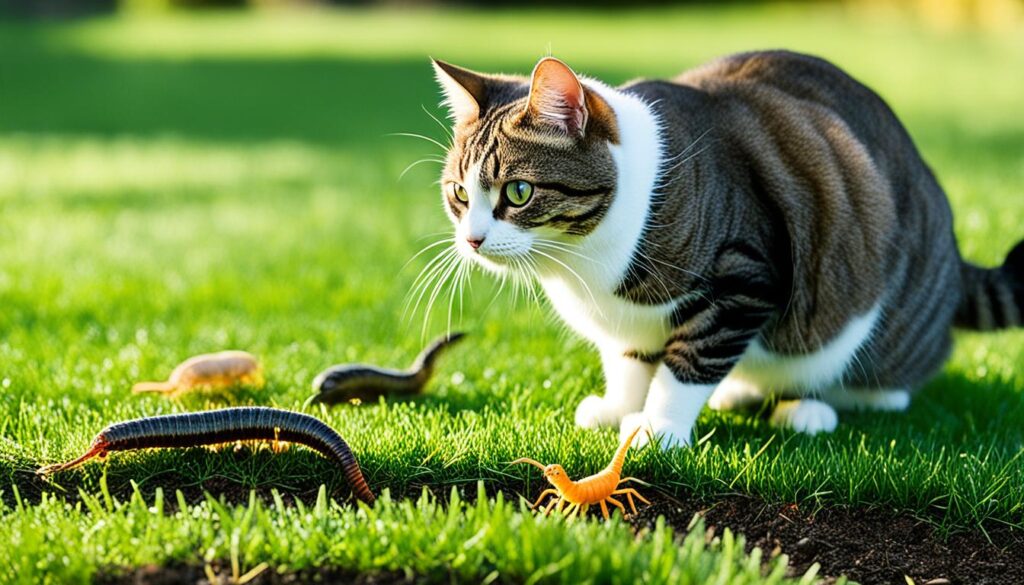
Good hygiene and deworming cats regularly are important. They help in avoiding cat-borne worm infections. Recognizing and managing these infection ways helps keep pets healthy and free from worms.
Finding worms in cats correctly is key to getting them better. Vets use many ways to figure this out.
A common test is checking the cat’s poop. A little bit of stool gets looked at under a microscope. They mix the stool with a special liquid. This makes worm eggs float up and be seen.
Vets also look the cat over carefully. They check the fur, weight, and how the cat seems to feel. Feeling the belly helps find anything odd that might mean worms.
Sometimes, tests on poop and physical checks might not tell us enough. Then, blood tests are done. These tests can find worms that are in places like the heart. Blood tests help vets know exactly what’s wrong. This allows them to choose the best way to treat the cat.
| Diagnostic Method | Purpose | Pros | Cons |
|---|---|---|---|
| Fecal Testing | Detect worm eggs/larvae in stool | High sensitivity, cost-effective | Requires fresh sample |
| Physical Examination | Check for physical signs of worms | Non-invasive, quick results | May not detect all types of worms |
| Blood Work | Identify worm types affecting organs | Comprehensive, detects heartworms | More expensive, longer wait for results |
Keeping your cat free from worm infections is key for its health and yours. Using strategies to avoid these infections greatly helps.
Cat worm infection prevention starts with deworming regularly. It’s vital to match deworming times with your cat’s lifestyle and risks. Ask your vet for a deworming plan that fits your cat best.
A clean home is vital for stopping cat feces and human worm spread. Clean litter boxes often and wash your cat’s bedding. This reduces parasites. Don’t let your cat roam outdoors without oversight to avoid contact with harmful areas.
Proper hygiene is key to prevent human worm transmission from cats. Always wash hands well after touching your cat or its litter. Be sure to safely throw away cat poop. Keep kids away from places where cats might have gone to the bathroom. These steps safeguard the health of pets and humans.
Cats can carry zoonotic cat parasites. Knowing the risks of worms moving from cats to humans is key for pet owners. These worms can harm human health, so it’s important to know how they spread.
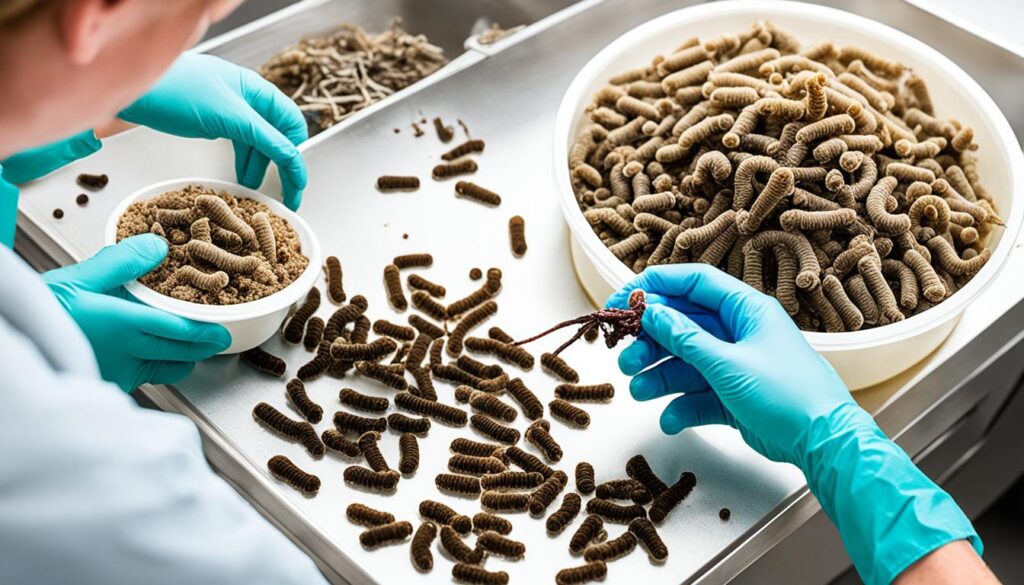
There are several ways humans can get worms from cats. Touching poop that has worms in it is one main way. This happens if people don’t wash their hands well after cleaning a cat’s litter box.
Also, dirt that has cat poop in it can have worms. If people garden without gloves or kids play in dirty sandboxes, they might get worms.
Roundworms and hookworms from cats worry us the most. People get roundworms by touching dirt or poop that has the worms. Hookworms can go through human skin, like when walking barefoot.
Each worm has its own way of spreading. It’s important to know these ways to avoid getting worms from cats.
To avoid getting worms from cats, being clean is very important. Wash hands well after touching cat litter or dirt. Deworming cats often also helps stop worms from spreading.
Wearing gloves when gardening and keeping kids’ play areas clean can also help. These steps reduce the chance of getting worms from cats.
“By comprehensively understanding the transmission routes and types of zoonotic cat parasites, and by implementing strict hygiene practices, the risks of cat-to-human worm transfer can be effectively managed.”
| Preventive Measure | Description |
|---|---|
| Regular Handwashing | Wash hands thoroughly after handling cat litter or soil. |
| Wearing Gloves | Use gloves while gardening or cleaning cat litter boxes. |
| Regular Deworming | Ensure cats are on a regular deworming schedule. |
| Clean Play Areas | Keep children’s play areas free from cat feces. |
It’s vital to know how humans can get worms from cats to keep people safe. We get worms through touching infected cat poop, gardening, and from sandboxes. Kids’ sandboxes can be especially risky.
Touching cat poop can pass worms from cats to people. This happens a lot in cities where outdoor cats are common. To lower the risk, throw away cat poop safely and always wash your hands well. Knowing about these worms is key to stopping them from harming people and pets.
Gardening can expose people to worms from cat poop in the soil. To stay safe, wear gloves and wash your hands after you garden. Also, keep your garden clean and watch for cats that might visit.
Kids playing in sandboxes might touch worms from cat poop. Cats sometimes use these sandboxes as their bathrooms, which is a big risk. Make sure to cover sandboxes when they’re not in use. Also, have kids wash their hands after they play.
| Risk Area | Preventive Measures |
|---|---|
| Contact with Infected Feces | Proper disposal, Handwashing |
| Gardening | Wear Gloves, Handwashing |
| Children’s Sandbox | Cover Sandbox, Handwashing |
Learning how humans can get worms from cats and taking steps to prevent it can cut health risks a lot.
Cats can pass worms to humans, which can be a health risk. These risks can be mild or very serious. It’s key to prevent this from happening.
Health risks of cat worms in humans include tummy troubles. Worms can make you lose nutrients, get tired, and feel weak. If not treated, they can harm organs like your liver and lungs.
Symptoms might be tummy aches, losing weight, and feeling tired a lot. You might also get itchy skin and breathe hard. It’s important to catch and treat these early. This helps avoid worse health issues later.
To cut down on health risks of cat worms in humans, do a few things. This includes wearing gloves when you garden:
By doing these, you can lower your chances of getting worms from cats. This keeps you healthier.
Treating worms in cats needs care from a vet and good home cleaning. By using a treatment plan and keeping the house clean, cats can be worm-free.
A vet will first find out the type of worm. Then, they give dewormers at specific times to kill the worms. It’s vital to follow the vet’s instructions closely to avoid problems and make sure your cat gets better.
To stop worms from coming back, clean litter boxes, wash bedding, and vacuum regularly. Keeping your home clean will help get rid of worm eggs and stop them from returning.
Your cat may need more deworming to get rid of all worm life stages. The vet might suggest multiple treatments. Going for regular check-ups and fecal tests confirms the treatment worked and finds re-infestations early.
Many cat owners look for home treatments for worms. They sometimes prefer natural options or DIY treatments. But, it’s very important to know these may not always work well. Talking to a vet is the safest way to help your cat.
Some people suggest using natural deworming options like pumpkin seeds, carrots, and coconut oil. But these lack strong science support. And while DIY cat worm treatments might help a bit, they often don’t get rid of all the worms. This could cause bigger health issues later.
| Method | Efficacy | Risks | Professional Guidance |
|---|---|---|---|
| Veterinary Treatment | High | Minimal, when used as prescribed | Yes, highly recommended |
| Home Remedies (e.g., Pumpkin Seeds) | Low to moderate | Possibility of incomplete eradication and side effects | No, use should be carefully considered |
| DIY Coconut Oil Treatments | Low | Possible digestive issues | No, professional advice is crucial |
In the end, even if natural deworming seems good, vet-led treatments are best. They ensure complete care and better health for your cat.
Keeping cats safe from worms is key for their health and our safety. Knowing the types of worms and how they can spread to humans is important. Pet owners should act early to stop these zoonotic cat parasites.
Learning about ways to stop worms, like regular deworming, is crucial. Keeping places clean and washing hands often also helps a lot. These steps greatly lower the chance of getting worm infections.
Using the right treatments is also very important. Vets can give medicines to fight infections and stop them from coming back. Cat owners need to be careful and keep using these treatments. This keeps our pets and us safe and healthy.
The question “Can u get worms from cats?” shows we need a plan that covers many areas. Being informed and acting to stop cat worm infection is a must. It keeps cats happy and healthy. And it keeps us safe from worms too.
Yes, you can get worms from cats. People can get roundworms and hookworms from cats. This happens through touching infected poop, dirty soil or eating tiny worm eggs.
Cats can have many kinds of worms. These include roundworms, tapeworms, hookworms, and more. Heartworms, lungworms, and others can also infect cats.
Signs your cat may have worms include seeing worms in their poop or vomit. Other signs are a rough coat, puking, and changes in their poop. They might eat a lot but lose weight, and have pale gums.
Cats get worms from eating infected birds, mice, or fleas. They can also get them from touching poop with worms or from worm eggs in the ground. Worm eggs can even get through their skin.
Vets find worms in cats by looking at their poop under a microscope. They also do physical exams and check their blood. They look for worm eggs in the poop.
Keep your cat safe from worms by deworming them regularly. Keep their living area clean. Always wash your hands after touching cat poop.
People can get worms from cats by touching infected poop or dirt. Also, if they eat worm eggs when gardening without gloves or play in dirty places.
Worms from cats can make people sick. They can cause stomach problems, weight loss, and tiredness. In bad cases, they can lead to more serious health issues.
To avoid getting worms, wear gloves when you garden. Always wash your hands after touching dirt or cat poop. Keep your place clean and stop kids from playing in dirty areas.
Treat worm infections in cats with medicine from the vet. It’s important to keep your home clean to avoid more worms. Always go back to the vet for check-ups to beat all the worms’ life stages.
Some people suggest home treatments for cat worms, but vets are best. Home treatments might not work or be safe. Stick with vet advice.
If you think your cat has worms, see a vet right away. Getting quick, expert help is key to fixing worm problems in cats.