 11
11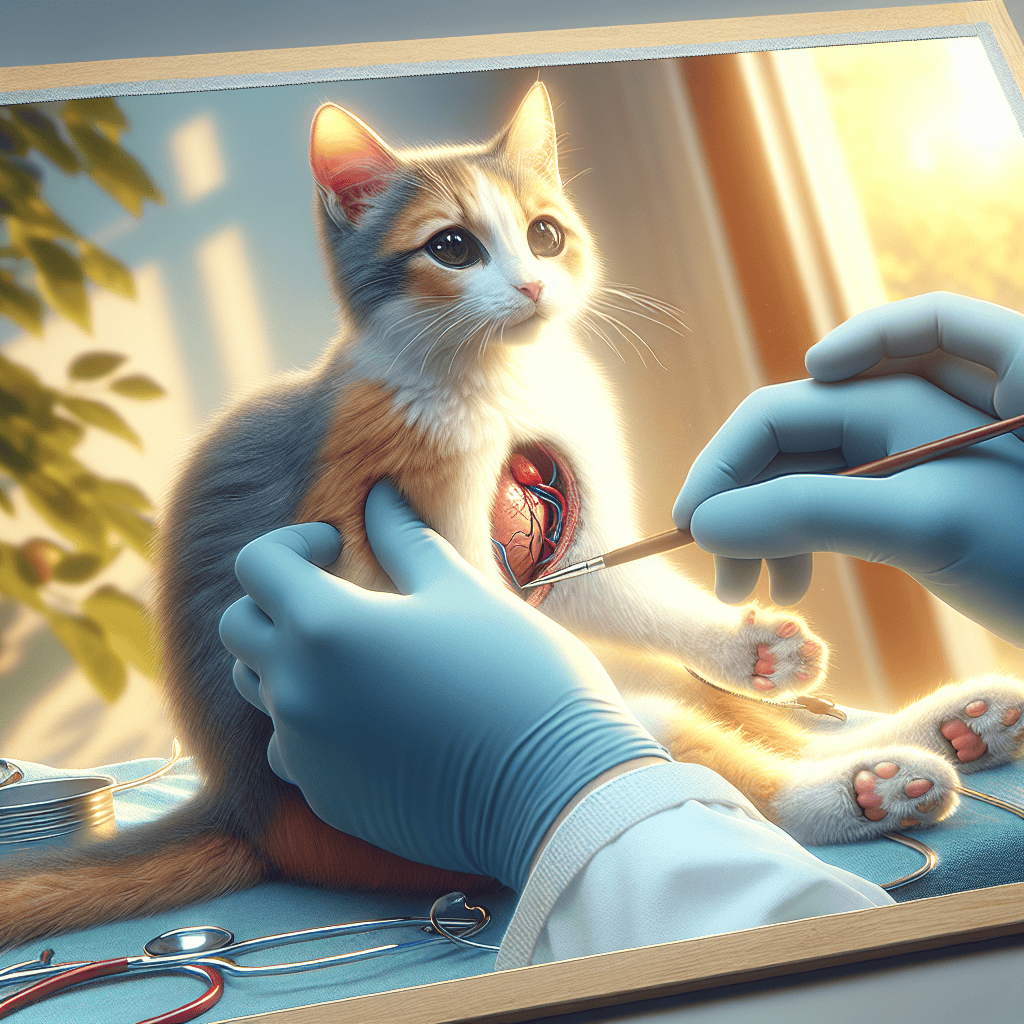

Cardiac arrest in cats is a life-threatening emergency that requires immediate veterinary care. Without prompt treatment, it can become fatal for cats (Wagwalking). Less than 10 percent of cats recover from cardiac arrest, even after successful emergency treatment.
When a cat experiences cardiac arrest, it means that their heart has stopped beating or is beating irregularly. This disrupts the flow of oxygenated blood to vital organs, leading to a potentially life-threatening situation. Common causes of cardiac arrest in cats include heart disease, trauma, toxins, and respiratory problems (Wagwalking).
Recognizing the signs of cardiac arrest in cats is crucial for prompt intervention. Symptoms may include sudden collapse, loss of consciousness, difficulty breathing, and absence of a pulse. If you suspect cardiac arrest in your cat, it is important to seek immediate veterinary attention.
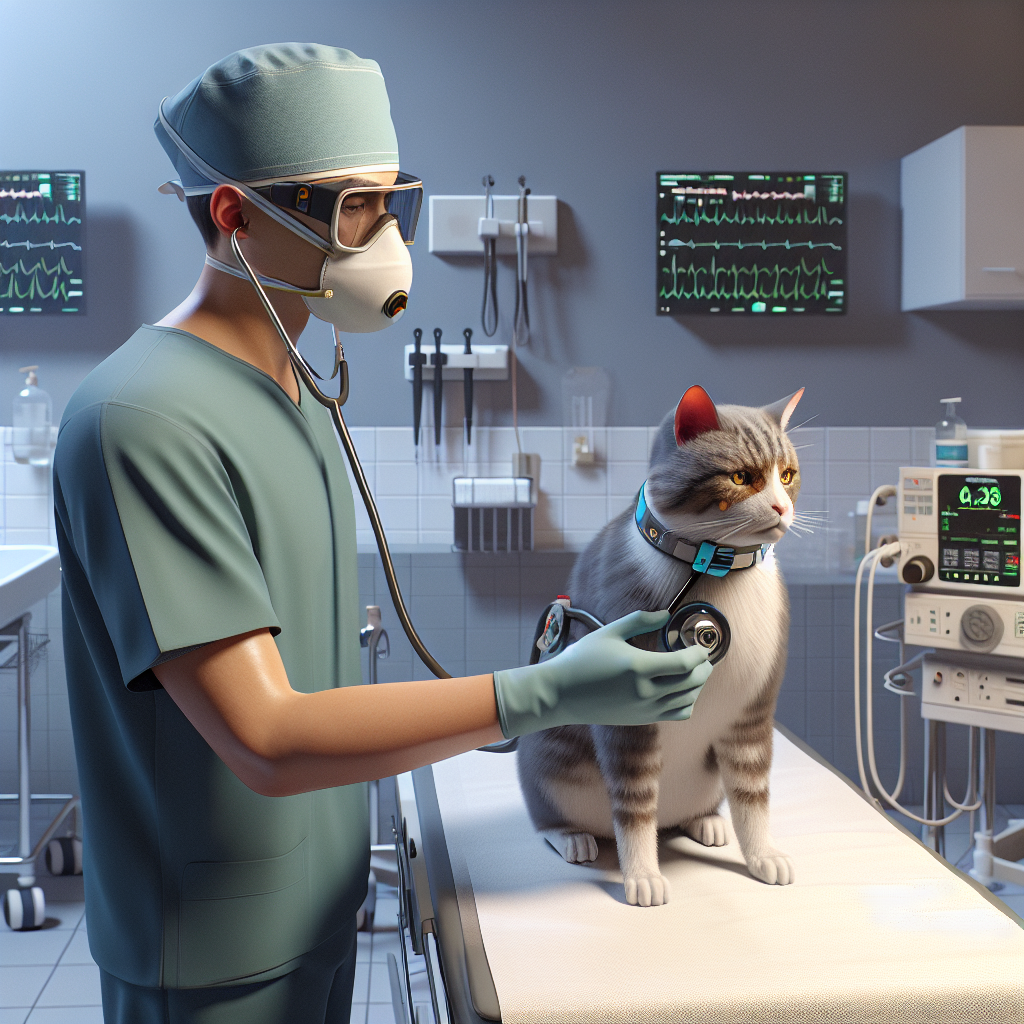
A prompt and accurate diagnosis of cardiac arrest is crucial for veterinarians to provide proper treatment. Veterinary professionals will gather the cat’s medical history, details on symptom onset, and any relevant information that might explain the cause of cardiac arrest, such as injury or exposure to toxic substances.
Treatment for cardiac arrest in cats involves immediate veterinary care. The goal is to restore normal cardiac function and circulation. Veterinarians may perform cardiopulmonary resuscitation (CPR), clear the airways, administer oxygen, and provide medications to support regular cardiac function. In some cases, procedures like cardiac massage, chest compressions, and open chest resuscitation may be necessary to restart the heart (Wagwalking).
It is important to note that the recovery rate for cardiac arrest in cats is generally low. The outcome depends on factors such as the underlying cause, timing of treatment initiation, and the type of treatment provided. Cats may require a longer recovery period after procedures like open chest resuscitation and often need to stay in a veterinary hospital for monitoring and follow-up care (Wagwalking).
Understanding the seriousness of cardiac arrest in cats and seeking immediate veterinary care can increase the chances of a favorable outcome. Early intervention and appropriate treatment are crucial in the road to recovery.
When it comes to cardiac arrest in cats, the recovery rates can vary, and the costs associated with treatment can be significant. Understanding these factors can help cat owners make informed decisions regarding their furry friends’ health.
Recovering from cardiac arrest is challenging for cats, with less than 10 percent of them surviving, even after receiving successful emergency treatment (PetMD). The recovery rate depends on various factors, including the underlying cause of the arrest, the timing of treatment initiation, and the type of treatment provided.
It’s important to note that cats who undergo procedures like open chest resuscitation may require a longer recovery period and often need to stay in a veterinary hospital for monitoring and follow-up care (Wagwalking). The recovery process can be complex and may require ongoing medical attention to ensure the best possible outcome for your cat.
Treating cardiac arrest in cats can be financially demanding. The average cost of treatment ranges from $800 to $5,000, with an average cost of $2,000. These expenses can differ based on several factors, including the severity of the condition, the required diagnostic tests, emergency care, hospitalization, and any additional treatments or procedures necessary for your cat’s recovery.
It’s crucial to consider the financial implications when making decisions about your cat’s treatment options. Pet insurance can help alleviate some of the financial burden, so it’s worth exploring coverage options for your feline companion.
By being aware of the recovery rates and costs associated with cardiac arrest in cats, pet owners can better understand the challenges and considerations involved. It’s essential to consult with a veterinarian for an accurate assessment of your cat’s condition, prognosis, and the potential treatment expenses. Remember, the health and well-being of your cat should always be the primary concern.
When it comes to the recovery process after cardiac arrest in cats, several factors can influence the outcome. Understanding these factors is important for cat owners and veterinarians to determine the best course of action for the affected feline. Two key factors that impact recovery are the underlying causes of cardiac arrest and the type of treatment provided.
The underlying causes of cardiac arrest in cats play a significant role in determining the chances of recovery. According to PetMD, less than 10 percent of cats recover from cardiac arrest, even after successful emergency treatment. Various factors can contribute to cardiac arrest, including heart disease, electrolyte imbalances, toxins, and trauma. Identifying and addressing the underlying cause is crucial for improving the chances of recovery.
The type of treatment provided during and after cardiac arrest can greatly impact the cat’s recovery. Prompt initiation of cardiopulmonary resuscitation (CPR) is crucial to maintain oxygen supply to vital organs. The RECOVER guidelines suggest the use of vasopressor therapy, particularly with epinephrine, during CPR to increase systemic vascular resistance and improve blood flow to the coronary arteries and brain.
It’s important to note that the recovery rate for cardiac arrest in cats is generally low, as mentioned by Wagwalking. However, the chances of survival can be influenced by the timing of treatment initiation and the type of treatment provided. Cats that undergo CPR while under anesthesia tend to have a significantly higher survival rate compared to those receiving CPR in emergency situations. Additionally, cats may require a longer recovery period and may need to stay in a veterinary hospital for monitoring and follow-up care.
By considering the underlying causes and providing appropriate treatment, veterinarians can optimize the chances of a cat’s recovery from cardiac arrest. It’s important for cat owners to work closely with their veterinarian to address the underlying causes, provide necessary treatments, and follow post-recovery care guidelines to ensure the best possible outcome for their feline companion. For information on the prognosis of cardiac arrest in cats, please refer to our article on cardiac arrest in cats prognosis.
In the event of a cardiac arrest in cats, prompt and effective cardiopulmonary resuscitation (CPR) can make a significant difference in the chances of survival. Understanding the proper CPR techniques and advanced life support measures is crucial for cat owners in these critical situations.
Performing CPR on a cat requires a combination of chest compressions and artificial respiration. The recommended steps for CPR in cats are as follows:
It is crucial to remember that CPR should be performed only when necessary and during medical emergencies. Regular practical CPR training sessions are recommended, with guidelines such as RECOVER available to aid in formulating personalized practice protocols (The Webinar Vet). To learn more about how to perform CPR on a cat, refer to our detailed guide on how to perform CPR on a cat.
In certain cases, advanced life support measures may be required during CPR for cats. This involves the use of drugs and electrical defibrillation to restore normal cardiac rhythm. Advanced life support may include:
It’s important to note that advanced life support measures should only be performed by trained veterinary professionals. If you suspect your cat has experienced a cardiac arrest, it is crucial to seek immediate veterinary assistance while performing CPR.
By familiarizing yourself with the proper CPR techniques and understanding the role of advanced life support, you can be better prepared to provide immediate assistance during a cardiac arrest emergency. Remember, CPR is an emergency measure, and seeking professional veterinary care is essential for the best possible outcome.
After successfully performing CPR on a cat, it is crucial to provide appropriate post-care to support their recovery. This includes monitoring and support as well as focusing on neurological recovery.
Following cardiac arrest, close monitoring of the cat’s vital signs is essential to ensure their stability. This includes monitoring their heart rate, blood pressure, oxygen saturation levels, and respiratory rate. Regular assessments will help identify any signs of complications or changes in their condition that may require immediate attention.
Additionally, it is important to monitor the cat’s response to treatment and assess their overall organ function. The systemic ischemia/reperfusion response after cardiac arrest can lead to a generalized activation of immunologic and coagulation pathways, increasing the risk of multiple organ failure and infection (AHA Journals). Early hemodynamic optimization may improve outcomes in post-cardiac arrest patients, so maintaining appropriate fluid balance and hemodynamic stability is crucial.
Hemodynamic instability, such as dysrhythmias, hypotension, and low cardiac index, can occur after cardiac arrest. Dysrhythmias may be treated with standard therapies, while hypotension may require optimization of right-heart filling pressures with intravenous fluids. In some cases, inotropes and vasopressors may be necessary to achieve adequate organ perfusion. If volume expansion and drug therapy fail to restore adequate organ perfusion, mechanical circulatory assistance should be considered.
Neurological recovery is a critical aspect of post-CPR care. Cardiac arrest can cause brain injury, and the extent of neurological recovery can vary depending on the duration and severity of the hypoxic-ischemic insult. Prompt resuscitation and appropriate post-care can contribute to neurological improvement in cats.
During the recovery period, it is important to closely monitor the cat’s neurological status and observe for any signs of improvement or potential deficits. Some cats may fully recover, while others may experience residual neurological deficits. Patience and ongoing support are key during the neurological recovery phase.
Rehabilitation therapy, including physical therapy and environmental enrichment, may be beneficial for cats recovering from cardiac arrest. These interventions can help improve motor skills, cognitive function, and overall quality of life. Consulting with a veterinarian or a veterinary specialist in neurology or rehabilitation can provide guidance on the most appropriate rehabilitation strategies for each individual cat.
By providing diligent monitoring and support, along with targeted care for neurological recovery, it is possible to improve the chances of a successful recovery for cats after experiencing cardiac arrest. Early intervention, comprehensive monitoring, and a tailored approach to post-CPR care can greatly enhance a cat’s overall well-being and quality of life.
When it comes to cardiac arrest in cats recovery, prevention and long-term heart health are crucial factors to consider. By taking proactive measures and providing appropriate care, you can help reduce the risk of cardiac issues in your feline companion.
Understanding the risk factors associated with heart disease in cats is essential for prevention. Some cats may be genetically predisposed to certain heart conditions, while others may develop heart problems due to underlying health issues or lifestyle factors. Regular wellness visits to your veterinarian can help identify potential heart issues early on.
Congenital heart disorders, present at birth, include defects such as heart valve malformations and holes in the heart. Acquired heart disorders develop over a cat’s lifespan, with cardiomyopathy being the most prevalent condition. Middle-aged and senior cats are more commonly affected by cardiomyopathy.
To prevent cardiac arrest and other heart problems in cats, consider the following:
Once a cat has experienced cardiac arrest, it is crucial to focus on their long-term heart health. Depending on the underlying cause and severity of the condition, your veterinarian may recommend specific treatments, medications, or lifestyle modifications.
Monitoring your cat’s heart health through regular check-ups and screenings is essential. This allows your veterinarian to evaluate their heart function, detect any changes or complications, and adjust the treatment plan accordingly.
In addition to veterinary care, maintaining a healthy lifestyle for your cat is key. This includes providing a balanced diet, regular exercise, and minimizing stress. By prioritizing your cat’s overall well-being, you can support their heart health and reduce the risk of further cardiac issues.
Remember, every cat is unique, and their specific needs may vary. Consult with your veterinarian for personalized advice and guidance on preventing cardiac arrest and promoting long-term heart health in your feline companion. Together, you can develop a comprehensive care plan that best suits your cat’s individual needs.