 11
11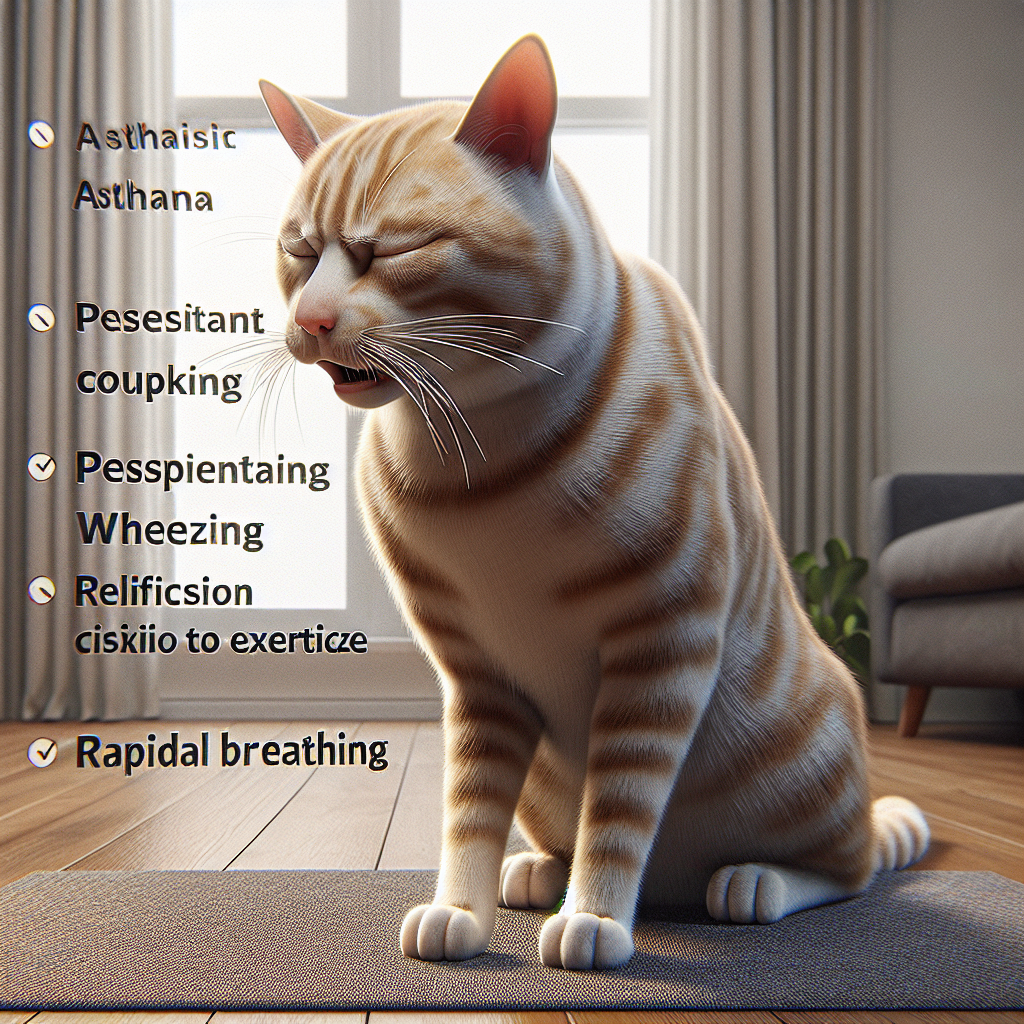

Cat asthma is a condition that affects the respiratory system of cats, causing inflammation and constriction in the airways. It is estimated that cat asthma affects as much as 5% of cats, making it a relatively common health concern for our feline friends. The exact cause of cat asthma is not fully understood, but it is believed to be an allergic reaction to something the cat breathes in.
Cat asthma, also known as feline bronchial disease or allergic bronchitis, is a chronic condition that affects the lower airways of the lungs in cats. It is characterized by inflammation and constriction of the airways, leading to difficulty in breathing. Cats with asthma may experience episodes of coughing, wheezing, and shortness of breath.
The average age of cats diagnosed with asthma is between 4 and 5 years, although it can occur at any age (Cornell Feline Health Center). While there is no definitive evidence that one sex is more susceptible to asthma, some studies suggest that Siamese cats may be predisposed to the condition.
The exact cause of cat asthma is still not fully understood. However, it is believed to be an allergic reaction to environmental triggers such as dust mites, pollen, mold, cigarette smoke, or certain chemicals in the air. When a cat with asthma is exposed to these triggers, the immune system overreacts and releases substances that cause inflammation and constriction in the airways.
It’s important to note that cat asthma is different from other heart and lung diseases in cats, such as congestive heart failure or cat heart murmur. While these conditions may also cause coughing and wheezing, they have different underlying causes and require specific diagnosis and treatment.
By understanding the nature of cat asthma and its potential triggers, cat owners can be better equipped to recognize the symptoms and seek appropriate veterinary care for their feline companions. In the following sections, we will explore the signs of cat asthma and the diagnostic procedures used to confirm the condition.
When it comes to cat asthma, recognizing the symptoms is crucial for early intervention and effective management of the condition. Understanding the signs of cat asthma and distinguishing it from other conditions can help you provide the necessary care and treatment for your feline companion.
Cats with asthma may initially show no signs of the condition, making it challenging to detect in the early stages. However, as the inflammation progresses in the lungs, several symptoms may become noticeable. These symptoms can include:
It’s important to note that these symptoms may vary in intensity among cats, and not all cats will exhibit all of these signs. If you observe any of these symptoms in your cat, it is recommended to consult with a veterinarian for a proper diagnosis.
Cat asthma symptoms can resemble those of other respiratory conditions or diseases. It’s essential to differentiate asthma from other conditions to ensure appropriate treatment. Some conditions that may have similar symptoms include:
If you suspect that your cat may have asthma, it is crucial to consult with a veterinarian. They can perform a thorough examination, including diagnostic procedures, to determine whether asthma or another condition is the cause of your cat’s respiratory symptoms. Proper diagnosis is essential for developing an appropriate treatment plan.
By recognizing the symptoms and distinguishing cat asthma from other conditions, you can take the necessary steps to provide your furry friend with the care and treatment they need to manage their asthma effectively. Remember, early detection and intervention can greatly improve the quality of life for cats with asthma.
When it comes to diagnosing cat asthma, veterinarians rely on a combination of diagnostic procedures and testing to arrive at a proper diagnosis. The process involves ruling out other conditions that may mimic the symptoms of asthma, such as heart disease, heartworm, lungworm, and respiratory infections.
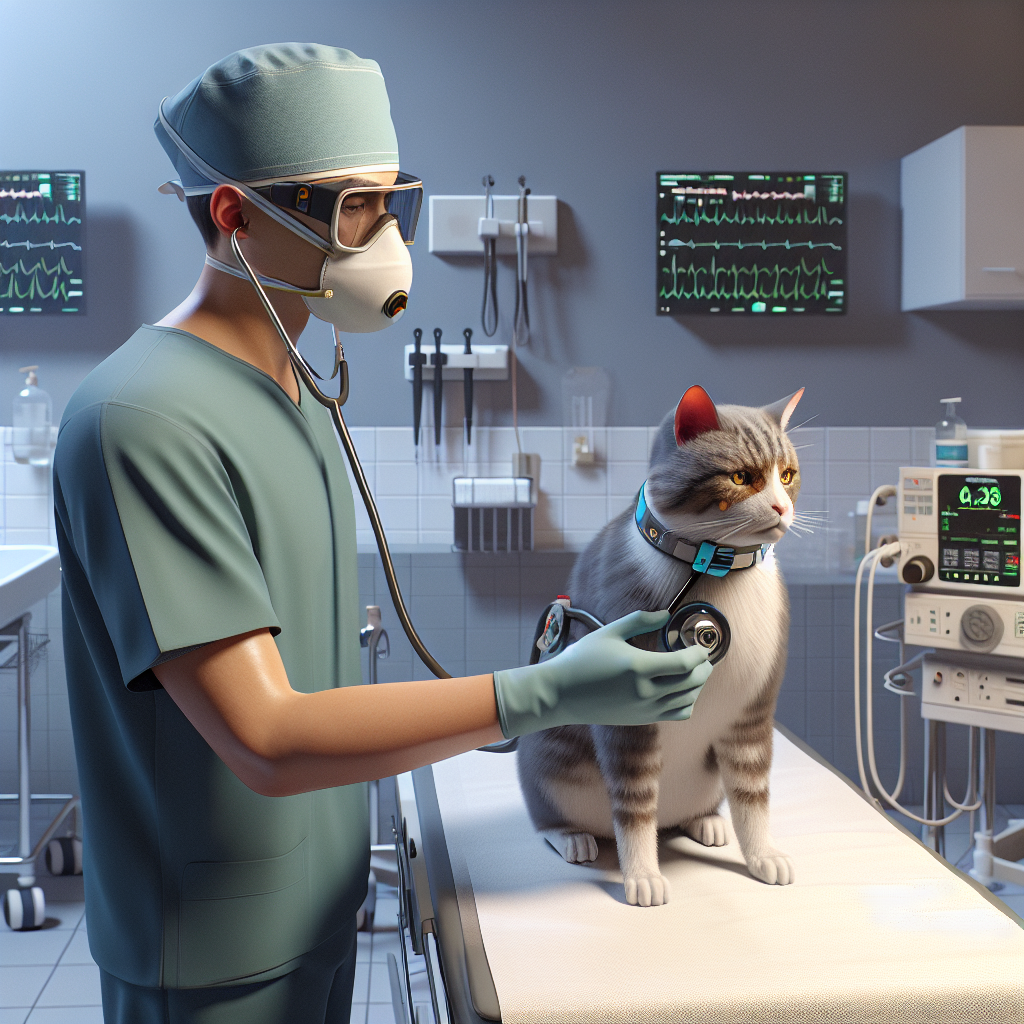
To begin the diagnostic process, veterinarians will typically conduct a thorough physical examination of the cat, gathering information about the symptoms and medical history. They will listen for abnormal lung sounds, such as wheezing or crackling, which can be indicative of asthma. If asthma is suspected, further diagnostic procedures may be recommended.
One of the most common diagnostic procedures for cat asthma is radiography, also known as X-rays. Radiographs can reveal a characteristic pattern in the lung fields, where inflammation in the airways is visible. The thickened edges of the bronchi may resemble railroad tracks or thick donuts, indicating the presence of asthma. Computed tomography (CT) scans may also be utilized to provide a more detailed view of the lungs and airways.
In addition to radiography, other tests may be performed to confirm the diagnosis of cat asthma and rule out other potential causes. These tests may include:
By utilizing these diagnostic procedures and tests, veterinarians can gather the necessary information to confirm a diagnosis of cat asthma. It’s important to consult with a veterinarian if you suspect your cat may be experiencing symptoms of asthma or respiratory distress. Early diagnosis and appropriate treatment can help manage the condition and improve the quality of life for your feline companion.
When it comes to managing cat asthma, there are various treatment options available. The primary goal is to reduce inflammation in the airways and alleviate symptoms to improve the cat’s quality of life. In this section, we will explore two main treatment options for cat asthma: medications and long-term management strategies.
To effectively manage cat asthma, veterinarians often prescribe medications that help reduce inflammation and open up the airways. These medications can be administered in different forms, including oral medications, inhalers, and nebulizers.
Corticosteroids: Many cats with asthma will need to take oral steroids, such as prednisolone, for the remainder of their lives. These steroids help reduce airway swelling and prevent it from becoming dangerously swollen again (MedVet). It’s important to follow the veterinarian’s instructions carefully when administering these medications.
Bronchodilators: Cats may also be treated with bronchodilators, medications that temporarily open up the airways and allow increased airflow. Albuterol, a type of bronchodilator used for both humans and cats, can be given through a nebulizer or an inhaler (MedVet). These medications provide relief during acute episodes of asthma.
Working closely with a veterinarian is crucial to determine the appropriate medications for your cat’s specific condition. The veterinarian will consider the severity of the asthma, the cat’s overall health, and any potential side effects of the medications when prescribing the treatment plan.
While there is no cure for cat asthma, long-term management strategies can help prevent and minimize asthma attacks. These strategies focus on reducing exposure to triggers and creating an environment that promotes respiratory health.
Environmental Control: Identifying and minimizing environmental triggers is essential in managing cat asthma. Common triggers include dust, pollen, smoke, and certain cleaning products. Regularly cleaning the cat’s living area, using hypoallergenic bedding, and maintaining good indoor air quality can help reduce the frequency and severity of asthma attacks.
Home Care Techniques: Applying home care techniques can significantly contribute to managing cat asthma. These techniques may include using a high-quality air purifier to remove allergens from the air, keeping the litter box clean to prevent dust accumulation, and avoiding the use of strong chemicals or perfumes around the cat.
By combining medication with long-term management strategies, you can help your cat lead a more comfortable and symptom-free life. Regular check-ups with the veterinarian are important to monitor the cat’s condition, adjust medications if necessary, and ensure the treatment plan remains effective.
Remember, every cat is unique, and what works for one may not work for another. It’s crucial to work closely with your veterinarian to develop an individualized treatment plan that addresses your cat’s specific needs and provides the best possible care for their asthma.
When it comes to managing cat asthma, taking preventive measures to minimize triggers and create a healthy environment for your feline companion is crucial. By identifying and addressing potential environmental triggers and implementing proper care strategies, you can help reduce the frequency and severity of asthma attacks in your cat.
Cats with asthma are often sensitive to various environmental triggers. Identifying and avoiding these triggers can significantly improve your cat’s quality of life. Common triggers for cat asthma attacks include allergens, stress, smoke, dust, and strong odors. Cats who spend time outdoors are more likely to develop asthma due to exposure to potential allergens, and certain studies suggest that Siamese cats may be more predisposed to asthma. Here are some preventive measures to consider:
By addressing these environmental triggers, you can help create a safer and more comfortable environment for your asthmatic cat.
In addition to minimizing environmental triggers, proper care and management strategies are essential for cats with asthma. Here are some care tips to consider:
By implementing these care tips, you can help manage your cat’s asthma and improve their overall well-being.
Understanding and addressing environmental triggers and providing proper care are essential steps in managing cat asthma. By taking preventive measures and creating a supportive environment, you can help your feline companion lead a healthier and more comfortable life. For further information on this topic, please visit our article on congestive heart failure in cats.
Cats with asthma can live happy and fulfilling lives with proper care and management. Understanding the impact of asthma on their quality of life and providing the necessary support and care are crucial aspects for cat owners to consider.
Asthma in cats can cause discomfort and respiratory distress, affecting their overall quality of life. Cats with asthma may exhibit signs such as difficulty breathing, wheezing, rapid breathing, coughing, open-mouthed breathing, or even vomiting. These signs can vary in intensity and may occur spontaneously or in response to certain triggers.
To improve the quality of life for cats with asthma, it’s important to work closely with a veterinarian to develop an effective treatment plan. With proper management, most cats with asthma can experience significant relief from symptoms and enjoy a better quality of life.
Managing and supporting cats with asthma involves a combination of medical treatment and environmental changes. Here are some key considerations for providing support and care:
Medication: Cats with asthma typically require long-term medication to control inflammation and open up the airways. The primary medications used are corticosteroids to reduce bronchial inflammation and bronchodilators to help open the airways. These medications can be administered orally, through injection, or via an inhaler (Cornell Feline Health Center). It’s important to follow the veterinarian’s instructions regarding dosage and administration.
Environmental Modifications: Minimizing environmental triggers can help reduce the frequency and severity of asthma attacks in cats. Maintain a clean and dust-free living environment, as dust mites and airborne particles can exacerbate symptoms. Avoid smoking around the cat, as secondhand smoke can worsen respiratory symptoms. Consider using air purifiers or filters to improve air quality.
Stress Reduction: Stress can potentially trigger or worsen asthma symptoms in cats. Provide a calm and quiet environment for your cat, away from loud noises and stressful situations. Creating a safe and comfortable space where your cat can relax and retreat can help alleviate stress.
Regular Veterinary Check-ups: Routine veterinary check-ups are essential for monitoring your cat’s condition and adjusting the treatment plan if needed. Regular examinations and diagnostic tests can help ensure that the asthma is well-managed and any changes in symptoms or medication can be addressed promptly.
Living with a cat with asthma requires ongoing commitment and vigilance. By providing the necessary support and care, cat owners can help their furry companions lead comfortable lives despite their condition. It’s important to consult with a veterinarian for guidance and to tailor the treatment plan to the specific needs of your asthmatic cat.