 11
11

Cat ear infections can be a common and uncomfortable condition for our feline companions. It’s important to have a good understanding of the causes and symptoms associated with these infections in order to provide the necessary care and treatment.
Ear infections in cats can be caused by various factors, with the most common being ear mites. In fact, ear mites are responsible for just over half of all ear infections in cats. Kittens and outdoor cats are particularly vulnerable to ear mites due to weaker immune systems and increased exposure to parasites.
Aside from ear mites, most ear infections in cats are usually a sign of an underlying health condition such as a weak immune system, allergies, or diabetes. Inflammation within the ear can lead to excess wax production, creating an environment conducive for bacteria and yeast to grow out of control. Cats with compromised immune systems, intense allergies, or diabetes, as well as certain breeds with smaller outer ears like Persians or Himalayans, are more predisposed to developing ear infections (Banixx).
Recognizing the symptoms of a cat ear infection is crucial for early detection and prompt treatment. Some common signs to watch out for include:
It’s important to note that these symptoms can vary depending on the severity and cause of the infection. If you notice any of these signs, it’s crucial to consult a veterinarian for a proper diagnosis and appropriate treatment. For more detailed information about the symptoms of cat ear infections, refer to our article on cat ear infection symptoms.
Understanding the causes and symptoms of cat ear infections is the first step in providing the necessary care and treatment for your feline friend. Prompt intervention and appropriate veterinary care are essential for relieving discomfort and preventing further complications. In the next sections, we will explore the available treatment options, home remedies to avoid, and proper ear cleaning techniques to help you effectively manage cat ear infections.
When it comes to treating cat ear infections, there are various options available, including veterinary treatments, home remedies to avoid, and proper ear cleaning techniques. Understanding these treatment options can help address the issue effectively and ensure your cat’s ear health.
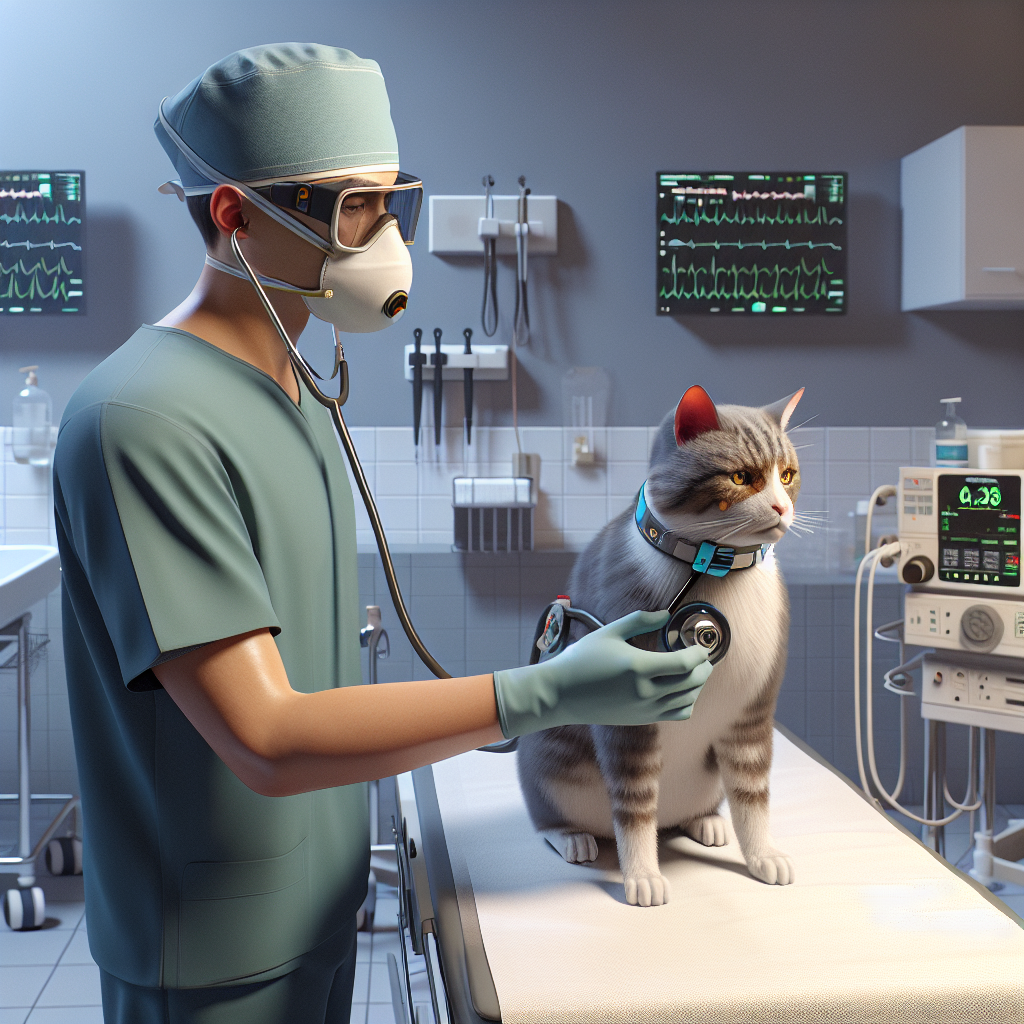
For proper diagnosis and effective treatment, it is important to consult a veterinarian if you suspect your cat has an ear infection. Veterinarians will typically use an otoscope to examine the ear canal and may take a sample of ear debris to identify the underlying cause, whether it’s bacteria, yeast, or ear mites. Once the cause is determined, appropriate veterinary treatments can be administered.
Treatment for feline ear infections may involve:
It is essential to follow the veterinarian’s instructions regarding the dosage and duration of any prescribed medications. Regular recheck examinations are crucial to monitor the progress of the treatment and ensure that the infection is resolving (PetMD).
While it may be tempting to try home remedies for cat ear infections, it is crucial to avoid self-treatment without professional guidance. Home remedies, such as using over-the-counter medications not specifically formulated for cats or attempting to clean the ears with inappropriate tools, can potentially worsen the condition and cause harm to your cat. It is always best to consult a veterinarian for proper diagnosis and treatment recommendations.
Proper ear cleaning is an important aspect of treating cat ear infections. It is recommended to leave the cleaning to the professionals or follow the guidance of your veterinarian. However, if your veterinarian advises you to clean your cat’s ears at home, here are some general guidelines to follow:
After cleaning the ears, it is important to wait for 10 to 15 minutes before applying any prescribed ear medication. Gently squeeze the medication down into the ear canal, ensuring that a thin layer of ointment coats the entire lining of the canal.
Remember, each cat is unique, and treatment plans may vary. Always consult your veterinarian for specific instructions and guidance tailored to your cat’s individual needs. Prompt and appropriate treatment, along with regular check-ups, will help ensure a healthy and comfortable recovery for your feline friend.
In some cases, cat ear infections can become chronic, requiring specialized management to alleviate the condition and prevent further complications. Understanding the underlying causes and potential surgical interventions can help in effectively managing chronic ear infections in cats.
Chronic ear infections in cats can be caused by various factors, including growths, allergies, and parasites. Identifying and addressing these underlying causes is crucial in managing the condition. It may be necessary to work closely with a veterinarian to determine the specific cause and develop an appropriate treatment plan.
Some common underlying causes of chronic ear infections in cats include:
It is important to note that prompt and early treatment of ear infections is crucial to prevent chronic infections that could lead to complications like facial paralysis and hearing loss.
In rare cases, surgical intervention may be necessary for the management of chronic ear infections in cats. Surgery aims to address the underlying issues and restore the normal function of the ear.
Some surgical interventions that may be considered include:
It is important to consult with a veterinarian to determine the appropriate course of action for managing chronic ear infections in cats. They will be able to evaluate the individual case and recommend the most suitable surgical intervention, if necessary.
By addressing the underlying causes and considering surgical interventions when needed, cat owners can effectively manage chronic ear infections in their feline companions. Regular follow-up visits with a veterinarian are essential to monitor the progress and ensure the well-being of the cat’s ears.
When treating a cat with an ear infection, it’s crucial to prioritize their comfort and well-being. Cats may experience pain and discomfort, leading them to react with scratching, biting, or attempting to run away. To ensure a positive treatment experience, it’s important to focus on handling and positive reinforcement, as well as emphasize the importance of proper cleaning techniques.
Positive reinforcement is key to helping cats become more comfortable with having their ears cleaned and medicated. Punishments, such as shouting or hitting, can worsen the situation and make it more challenging to administer treatment (PetMD). Instead, use rewards and treats to associate the treatment process with positive experiences. Patience and gentle handling are essential to building trust and cooperation.
Here are a few tips for handling and positive reinforcement during treatment:
By implementing these strategies, you can help your cat feel more at ease during the treatment process, making it easier for both of you.
Proper cleaning techniques are crucial when dealing with cat ear infections. It’s essential to follow the correct application methods to ensure effective treatment without causing harm. Avoid inserting harmful objects into the ear, as it can potentially puncture the eardrum (HolistaPet).
Here’s a step-by-step guide for cleaning your cat’s ears:
Remember to clean the healthy ear first before addressing the infected ear to prevent cross-contamination (PetMD). Use new supplies for each ear to avoid contamination. After cleaning, wait for 10 to 15 minutes before applying any ear medication. Follow the vet’s instructions for applying the medication, ensuring a thin layer coats the entire lining of the infected ear.
By following proper cleaning techniques and providing a calm and positive environment, you can make the treatment process more comfortable for your cat and increase the likelihood of successful healing.
Prevention is key when it comes to cat ear infections. While it may be challenging to completely avoid them due to various causes, there are steps you can take to minimize the risk and keep your feline friend’s ears healthy. Regular check-ups and home care practices play a crucial role in prevention.
Keeping your cat on a regular check-up schedule with the veterinarian is essential for preventing ear infections. During these visits, the vet can examine your cat’s ears thoroughly, looking for any signs of irritation or infection. Early detection through regular inspections can lead to timely treatment and prevent the condition from worsening (HolistaPet).
The veterinarian will demonstrate or perform proper ear cleaning techniques, if necessary. It’s important to note that cleaning devices should not be inserted into the ear canal without veterinary instruction. Following the veterinarian’s advice on routine ear checks and cleaning will help maintain your cat’s ear health (WebMD).
Regular check-ups also allow the vet to monitor your cat’s overall health and identify any underlying conditions that may contribute to ear infections. By addressing these underlying causes, you can further minimize the risk of recurrent infections.
In addition to regular veterinary check-ups, there are several home care practices you can incorporate into your cat’s routine to help prevent ear infections. These practices include:
Regular Inspection: Take the time to check your cat’s ears regularly for any signs of redness, discharge, or foul odors. A healthy cat’s ear should be odorless, pale pink, and show no signs of swelling or excessive wax (Banixx). By detecting any changes early on, you can seek veterinary attention promptly if needed.
Cleaning Bedding and Pillows: Keeping your cat’s bedding and pillows clean is important for maintaining good hygiene and preventing the buildup of bacteria or irritants that can contribute to ear infections. Regularly washing and replacing these items can help minimize the risk.
Avoid Exposure to Irritants: Cats with allergies or sensitivities may be more prone to ear infections. Minimize your cat’s exposure to potential irritants, such as certain cleaning products, tobacco smoke, or strong fragrances. It’s also important to avoid using cotton swabs or other objects to clean the ears, as they can push debris further into the ear canal and potentially cause injury.
By following these home care tips and maintaining regular check-ups with your veterinarian, you can take proactive steps to prevent cat ear infections. Remember, prevention is always better than treatment when it comes to your cat’s ear health. If you’re looking for natural remedies, check out our article on natural remedies for cat ear infections.
When it comes to cat ear infections, there are some special considerations to keep in mind. Certain factors can make cats more susceptible to ear infections, including weak immune systems and specific breeds that are prone to these issues.
Cats with compromised immune systems are more vulnerable to developing ear infections. Conditions such as diabetes, intense allergies, or other immune system disorders can weaken their ability to fight off infections. When the immune system is compromised, excess wax production due to irritation and inflammation in the ear canal can create an environment for bacteria and yeast to grow out of control (Banixx).
Managing underlying conditions and maintaining a healthy immune system is crucial for preventing ear infections in cats. Regular check-ups with a veterinarian and appropriate medical interventions can help improve the overall health and resilience of cats with weak immune systems. By addressing these underlying issues, you can reduce the risk of ear infections in your feline companion.
Certain breeds of cats are more predisposed to ear infections due to their unique ear anatomy. Breeds with smaller outer ears, such as Persians or Himalayans, are more prone to developing ear infections. The smaller ear canals in these breeds can lead to increased wax buildup and reduced air circulation, creating an environment that is conducive to the growth of bacteria and yeast (Banixx).
If you have a cat from a breed that is prone to ear infections, it is important to be proactive in their ear care routine. Regularly checking and cleaning their ears, as well as monitoring for any signs of infection, can help prevent problems before they arise. Additionally, consulting with a veterinarian who is familiar with the specific needs of your cat’s breed can provide valuable guidance on preventive measures.
By being aware of these special considerations, you can take the necessary steps to protect your cat’s ears and prevent ear infections. Regular veterinary check-ups, proper ear cleaning, and monitoring for any signs of infection are essential for maintaining the health and well-being of your feline companion.