 11
11

Coccidioidomycosis, also known as Valley Fever, is a fungal infection that can affect cats. It is caused by the inhalation of spores from the soil-dwelling fungus Coccidioides immitis or Coccidioides posadasii. This infection primarily occurs in arid regions, such as the southwestern United States and parts of Mexico and Central and South America.
Coccidioidomycosis is a systemic fungal infection that can affect various organs in the body, including the lungs, skin, and bones. When cats inhale the fungal spores, the infection begins in the respiratory system. The spores can then spread to other parts of the body, leading to a range of symptoms and potential complications.
The primary cause of coccidioidomycosis in cats is the inhalation of fungal spores present in the environment. The fungus Coccidioides immitis or Coccidioides posadasii thrives in arid and desert-like regions, where the soil is rich in organic matter. When the soil is disturbed, such as through digging or construction activity, the spores become airborne and can be inhaled by cats.
It’s important to note that not all cats exposed to the fungus will develop coccidioidomycosis. Some cats may have a natural resistance to the infection, while others may experience only mild symptoms. Factors such as age, overall health, and immune system function can influence an individual cat’s susceptibility to the disease.
To learn more about the symptoms, diagnosis, treatment, and prevention of coccidioidomycosis in cats, continue reading our article on cat loss of appetite.
Coccidioidomycosis, a fungal infection caused by the Coccidioides immitis or Coccidioides posadasii fungi, can affect cats and lead to various symptoms. Recognizing these symptoms is crucial in identifying the presence of the infection and seeking appropriate veterinary care. Common symptoms of coccidioidomycosis in cats include loss of appetite and other associated signs.
One of the key symptoms of coccidioidomycosis in cats is a noticeable loss of appetite. Cats affected by the infection may exhibit a decreased interest in food and a reluctance to eat. This loss of appetite can be concerning, especially if it persists for an extended period of time.
It’s important to note that loss of appetite can also be a symptom of other health conditions. Therefore, it is essential to consult a veterinarian for a proper diagnosis and to rule out other potential causes of appetite loss, such as cat eye problems, cat coughing and sneezing, or cat skin lesions.
In addition to loss of appetite, cats with coccidioidomycosis may experience other symptoms that can vary in severity. These symptoms may include:
It’s important to note that not all cats with coccidioidomycosis will exhibit the same set of symptoms. The severity and combination of symptoms can vary depending on the individual cat and the progression of the infection.
If you observe any of these symptoms in your cat, it is crucial to seek veterinary care for an accurate diagnosis and appropriate treatment. Early intervention is key to managing coccidioidomycosis and preventing potential complications.
When a cat shows signs of loss of appetite and other symptoms associated with coccidioidomycosis, prompt diagnosis and treatment are essential to ensure the best possible outcome for the affected feline. In this section, we will explore the veterinary diagnosis process and the available treatment options for coccidioidomycosis in cats.
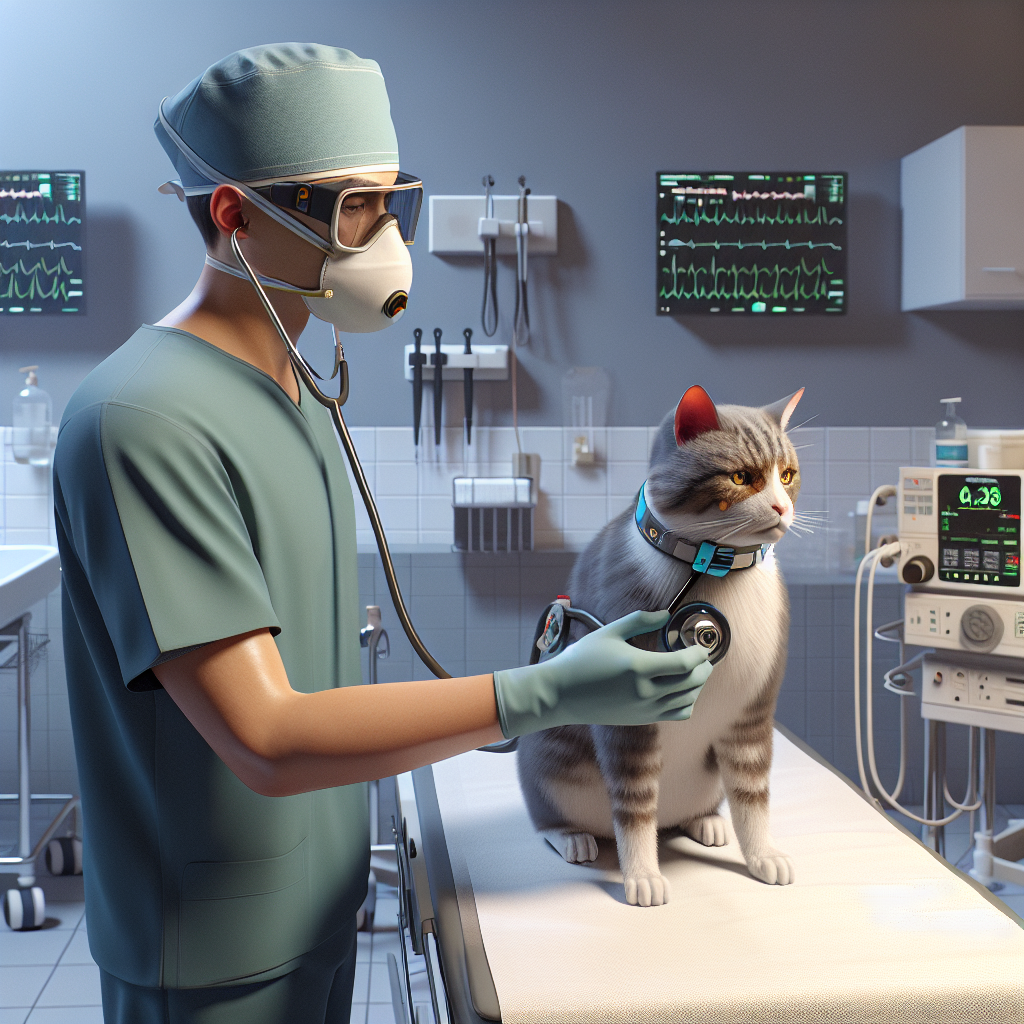
Diagnosing coccidioidomycosis in cats often requires a combination of clinical evaluation, laboratory tests, and imaging studies. A veterinarian will assess the cat’s medical history, conduct a thorough physical examination, and take note of any specific symptoms such as cat eye problems, cat coughing and sneezing, or cat skin lesions.
To confirm the presence of coccidioidomycosis, laboratory tests play a crucial role. These tests include serological tests, such as enzyme-linked immunosorbent assay (ELISA), and fungal culture analyses. Serological tests detect the presence of antibodies against the fungus, while fungal cultures help identify the specific species involved [^1^].
Imaging studies, such as X-rays or ultrasound, may be used to evaluate the extent of the infection and identify any potential complications in the affected cat. These imaging techniques can help assess the presence of lung lesions or other abnormalities associated with coccidioidomycosis [^1^].
Once coccidioidomycosis is diagnosed in a cat, timely treatment is crucial to control the infection and improve the cat’s overall health. The specific treatment plan will depend on the severity of the infection and the cat’s individual circumstances. Treatment options for coccidioidomycosis in cats may include:
Antifungal Medications: Antifungal medications are the cornerstone of treatment for coccidioidomycosis in cats. Medications such as fluconazole or itraconazole are commonly prescribed to combat the fungal infection. The duration of treatment may vary depending on the cat’s response and the severity of the infection [^2^].
Supportive Care: In addition to antifungal medications, supportive care plays an important role in the management of cats with coccidioidomycosis. Supportive care may include providing nutritional support, administering fluids, and managing any secondary complications that may arise [^2^].
Monitoring and Follow-up: Regular monitoring of the cat’s progress is essential during the treatment phase. This may involve repeat laboratory tests, imaging studies, and clinical evaluations to assess the cat’s response to treatment and make any necessary adjustments [^2^].
It’s important to note that early intervention and consistent treatment adherence are critical for a successful outcome in cats with coccidioidomycosis. Working closely with a veterinarian and following their guidance regarding treatment and follow-up care will help ensure the best possible outcome for the affected feline.
In the next section, we will explore preventive measures and management strategies for coccidioidomycosis in cats to minimize the risk of infection and support the overall well-being of cats susceptible to this fungal disease.
When it comes to coccidioidomycosis in cats, prevention and management are key in ensuring the well-being of your feline companion. By taking proactive measures to prevent the disease and effectively managing its symptoms, you can help your cat lead a healthier and more comfortable life.
Prevention is crucial when it comes to coccidioidomycosis. This fungal infection is primarily contracted through the inhalation of fungal spores present in the environment. While it may be challenging to completely eliminate the risk, there are steps you can take to minimize exposure and reduce the chances of your cat contracting the disease.
It’s important to consult with your veterinarian for additional guidance on preventive measures specific to your location and the prevalence of coccidioidomycosis.
If your cat has already been diagnosed with coccidioidomycosis, managing the symptoms becomes crucial in maintaining their overall health and quality of life. The management approach will depend on the severity of the infection and the specific symptoms your cat is experiencing. Treatment options may include:
Remember, it’s always important to consult with your veterinarian for personalized advice and guidance on managing coccidioidomycosis in your cat. They will be able to provide tailored recommendations based on your cat’s specific needs and circumstances.
By taking preventive measures and effectively managing the symptoms of coccidioidomycosis, you can help minimize the impact of the disease on your cat’s health and provide them with the best possible care.
When a cat experiences loss of appetite, it can be indicative of an underlying health condition such as coccidioidomycosis. It’s important to be aware of the potential risks and complications associated with this fungal infection.
If left untreated, coccidioidomycosis can lead to various complications in cats. The infection can spread beyond the initial site of entry, affecting other organs and systems in the body. This can result in more severe symptoms and a decline in overall health.
One potential complication of coccidioidomycosis is the development of skin lesions. These lesions may appear as nodules, ulcers, or pustules on the skin, particularly in areas with exposed or thin skin. The presence of these lesions can cause discomfort and may require additional treatment and management (cat skin lesions).
In some cases, coccidioidomycosis can also affect the respiratory system, leading to coughing and sneezing. The fungal spores can be inhaled, causing respiratory symptoms and potentially progressing to more serious respiratory conditions (cat coughing and sneezing).
The long-term effects of coccidioidomycosis in cats can vary depending on the severity of the infection and the effectiveness of treatment. In some cases, cats may experience chronic or recurrent episodes of the infection, requiring ongoing management and treatment.
It’s important to note that coccidioidomycosis can also have long-term effects on the lungs. The fungal infection can cause scarring and damage to the lung tissue, leading to respiratory issues and decreased lung function. This can result in persistent coughing, difficulty breathing, and reduced exercise tolerance.
Additionally, the eyes can be affected by coccidioidomycosis. Cats may develop eye problems such as inflammation, discharge, redness, or even vision impairment. Regular monitoring of the cat’s eyes and prompt veterinary attention are essential to address any potential ocular complications (cat eye problems).
To mitigate the risks and potential complications associated with coccidioidomycosis, early diagnosis and treatment are crucial. If you suspect your cat may be experiencing loss of appetite or other symptoms related to coccidioidomycosis, consult a veterinarian as soon as possible. They will be able to provide a proper diagnosis and recommend suitable treatment options based on the cat’s individual needs and condition. Remember, timely intervention can greatly improve the cat’s prognosis and overall well-being.
When it comes to the health of your cat, seeking veterinary care is essential, especially when you notice signs of potential health issues. In the case of coccidioidomycosis or cat loss of appetite, consulting a veterinarian is crucial for proper diagnosis and treatment. Let’s explore when to consult a veterinarian and the importance of early intervention.
If your cat is experiencing a loss of appetite, it is important to consult a veterinarian promptly. Loss of appetite can be a symptom of various health conditions, including coccidioidomycosis. However, it is not exclusive to this particular condition, so it’s essential to seek professional guidance in order to determine the underlying cause.
Additionally, if your cat exhibits other concerning symptoms such as weight loss, lethargy, respiratory issues, or cat eye problems and cat coughing and sneezing, it is important to consult a veterinarian as soon as possible. These symptoms may indicate a larger health concern that requires proper diagnosis and treatment.
By reaching out to a veterinarian, you can provide them with important information about your cat’s symptoms, behavior, and overall health history. This will assist in the evaluation process and enable the veterinarian to make an accurate diagnosis.
Early intervention in veterinary care plays a crucial role in improving outcomes for your cat. Timely diagnosis and treatment can help prevent the progression of the disease and minimize potential complications.
Coccidioidomycosis, like many other health conditions, is more manageable when addressed early on. The sooner the underlying cause of the loss of appetite is identified, the sooner appropriate treatment can be initiated. This can help alleviate discomfort and improve your cat’s overall well-being.
Early intervention also allows for timely implementation of treatment plans that may include antifungal medications or supportive care. It can help prevent further complications and potentially reduce the extent of long-term effects associated with the condition.
Remember, as a responsible cat owner, you play a vital role in recognizing the urgency of veterinary consultation. If you notice any concerning symptoms, such as loss of appetite, it is important to act promptly and seek professional veterinary care. Early intervention can make a significant difference in your cat’s health and overall prognosis.
By understanding when to consult a veterinarian and the importance of early intervention, you can ensure that your cat receives the necessary care and attention needed to address their health concerns effectively.