 11
11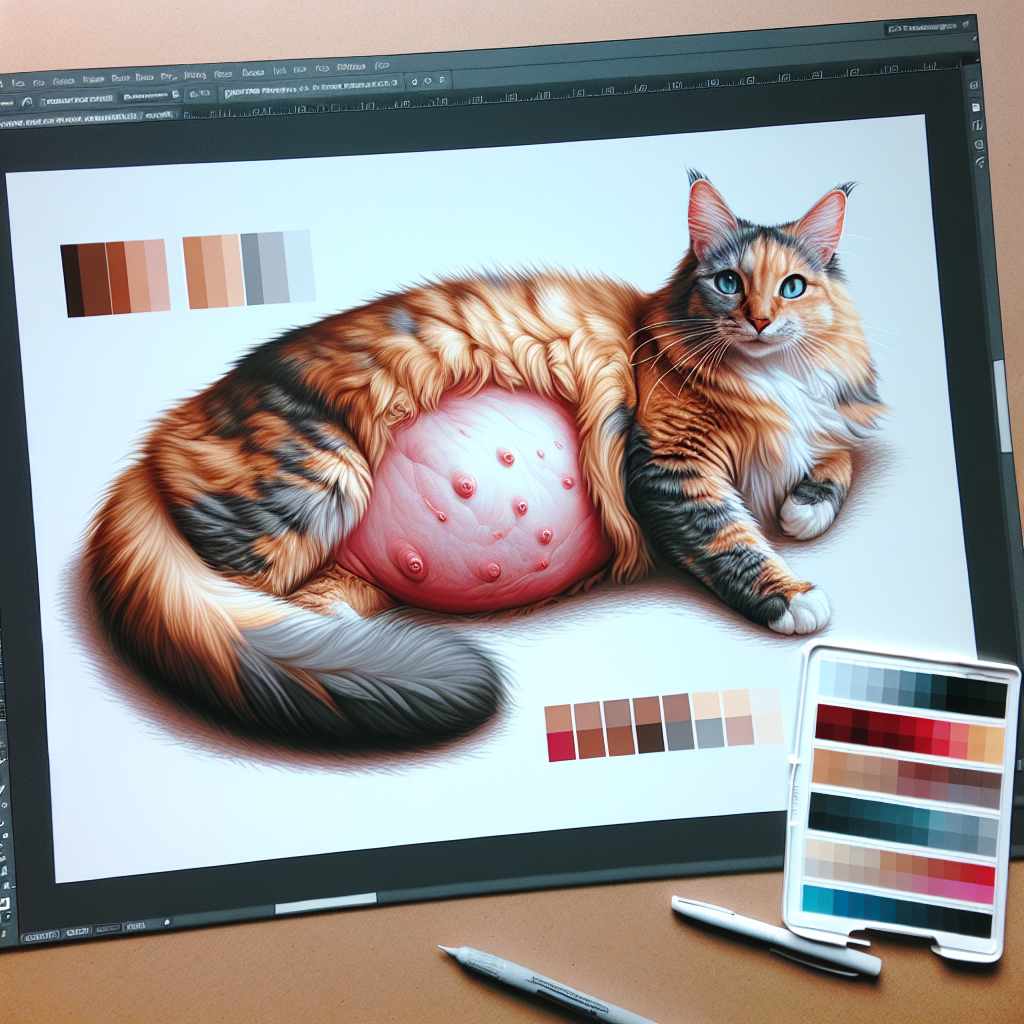

False pregnancy, also known as a phantom pregnancy, pseudocyesis, or pseudopregnancy, is an uncommon condition in cats that occurs when a female cat displays all the signs and symptoms of pregnancy without actually being pregnant. This condition can only occur in females who have not been spayed and typically happens after breeding with a male and not becoming pregnant (PetMD).
False pregnancy in cats, also referred to as pseudopregnancy, is considered a normal part of the feline estrus cycle. It is very common and can occur in all intact female cats at some point during their lives. The condition typically occurs between six to 12 weeks after the cat has been in heat (Wag Walking).
To understand false pregnancy, it’s important to familiarize ourselves with the reproductive cycle of cats. Cats are seasonally polyestrous, which means they come into heat only during seasons with long daylight hours. In North America, cats breed in spring, summer, and fall. They cycle every two to three weeks during this time, unless a pregnancy or false pregnancy interrupts the process.
Cats are induced ovulators, meaning they release an egg only if they breed with a male. If the egg is not fertilized, the hormonal changes that typically occur during pregnancy can still manifest, leading to a false pregnancy. This can cause the cat to exhibit various physical and behavioral signs that mimic those seen in pregnant cats (PetMD).
Understanding the definition and occurrence of false pregnancy in cats, as well as the reproductive cycle, can help cat owners recognize and navigate this peculiar phenomenon. In the following sections, we will explore the symptoms, diagnosis, treatment, prevention, and potential complications associated with false pregnancy in cats.
False pregnancy in cats can manifest through a variety of physical signs and behavioral changes. It’s important for cat owners to be aware of these symptoms to differentiate between false pregnancy and a true pregnancy. Let’s explore the physical signs and behavioral changes that may indicate a false pregnancy in cats.
False pregnancy in cats can exhibit several physical signs that mimic those of a true pregnancy. Some common physical signs include:
It’s important to note that these physical signs can also be observed in a true pregnancy. Therefore, it is crucial to confirm the presence of pregnancy through proper diagnosis, such as a cat pregnancy test, to rule out false pregnancy.
In addition to physical signs, cats with false pregnancy may also display behavioral changes. These behavioral changes are often associated with the instinctual maternal behaviors seen in pregnant cats. Some behavioral changes include:
It’s important to understand that while these symptoms and behaviors may be indicative of a false pregnancy, they can also be caused by other medical conditions. Therefore, if you suspect your cat may be experiencing a false pregnancy, it’s recommended to consult with a veterinarian for a proper diagnosis and guidance.
By being observant of both the physical signs and behavioral changes associated with false pregnancy, cat owners can better understand and address their cat’s needs.
When it comes to diagnosing and treating false pregnancy in cats, a veterinary examination is essential in determining the underlying cause of the condition and providing appropriate treatment options. Let’s explore the steps involved in the diagnosis and treatment of cat phantom pregnancy.
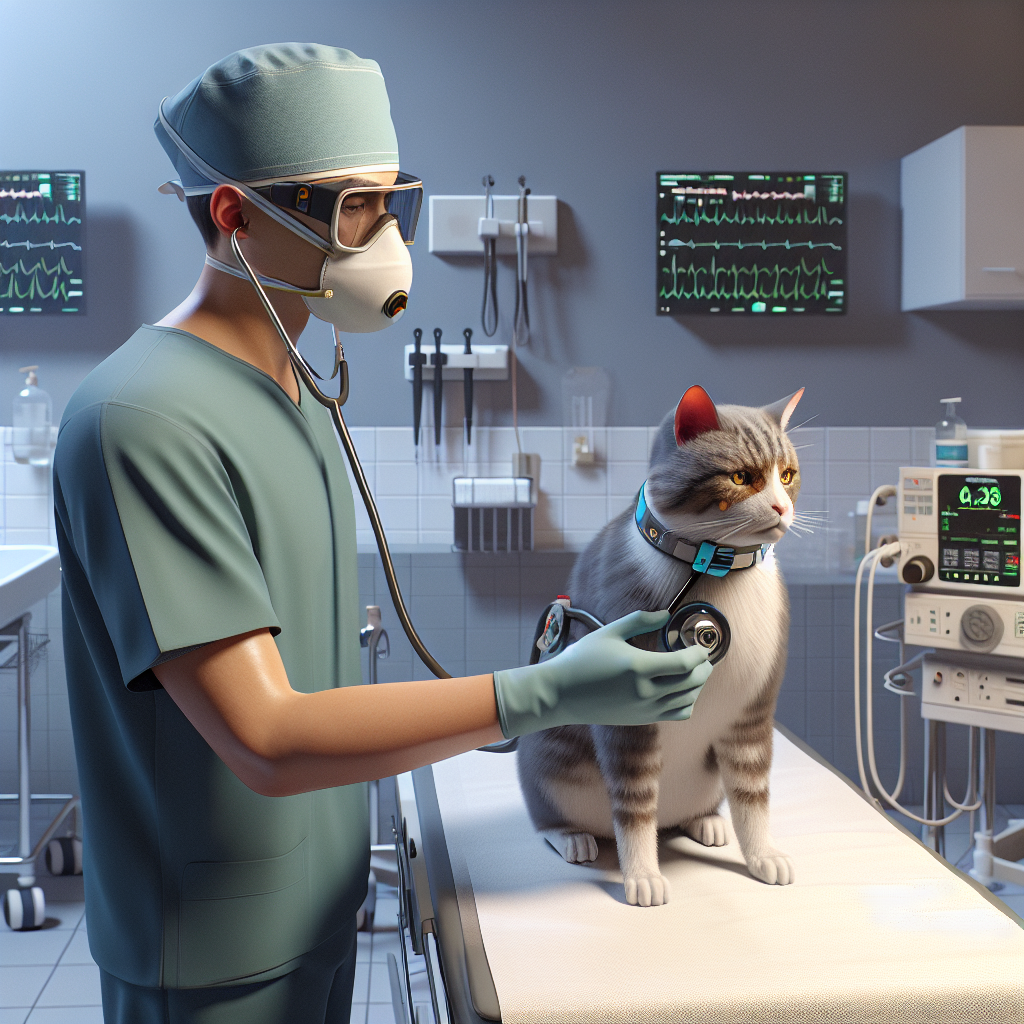
To diagnose false pregnancy in cats, a veterinarian will take the cat’s complete health history and perform a thorough physical examination. During the examination, the veterinarian will look for symptoms such as swollen mammary glands and nipple discharge. They may also palpate the abdomen to check for the presence of kittens.
In addition to the physical examination, the veterinarian may recommend further tests to rule out other conditions and confirm the diagnosis of false pregnancy. These tests may include blood tests, abdominal ultrasound, or X-rays. These diagnostic tools can help detect a true pregnancy, rule out other medical conditions, and assess the overall health of the cat.
The treatment options for cat phantom pregnancy may vary depending on the severity of the symptoms and the cat’s overall health. In many cases, false pregnancy in cats resolves on its own without requiring medical intervention. However, if the symptoms persist or cause discomfort to the cat, treatment options can be considered.
One common treatment option is to provide supportive care to the cat during the false pregnancy period. This may involve ensuring the cat’s comfort, providing a quiet and stress-free environment, and offering a balanced diet. Additionally, the veterinarian may recommend avoiding stimulation of the mammary glands to prevent milk production and discomfort.
For cats experiencing recurrent false pregnancies, more proactive measures may be necessary. Treatment options may include surgical intervention, specifically an ovariohysterectomy (removal of both ovaries and the uterus), to prevent future false pregnancies. This procedure is highly effective in preventing the recurrence of false pregnancy in cats. Alternatively, hormonal supplementation may be considered to correct hormonal imbalances and prevent future occurrences of false pregnancy (Wagwalking).
It’s important to consult with a veterinarian to determine the most appropriate treatment plan for your cat’s specific condition. The veterinarian will consider various factors such as the cat’s health, the severity of symptoms, and the cat’s reproductive history when recommending the best course of action.
By seeking veterinary guidance and following the recommended treatment options, cat owners can help alleviate the symptoms associated with false pregnancy and provide their feline companions with the necessary care and support during this peculiar phenomenon.
Preventing false pregnancy in cats is possible through spaying, a surgical procedure that removes the reproductive organs. Spaying not only helps prevent false pregnancy but also offers several other benefits for the overall health of your feline companion.
Spaying your cat before her first heat cycle is the most effective way to prevent false pregnancy and its associated symptoms. According to PetMD, spaying eliminates the possibility of future pregnancies and reduces the risk of various cancers in female cats.
By removing the ovaries and uterus, spaying eliminates the hormonal fluctuations that can lead to false pregnancy. This procedure helps maintain hormonal balance in your cat’s body, reducing the likelihood of her experiencing the physical and behavioral changes associated with false pregnancy.
To ensure the best prevention of false pregnancy, it is recommended to have your cat spayed before her first heat cycle. Cats typically reach sexual maturity between 5 and 9 months of age, so consulting with your veterinarian to determine the optimal time for spaying is essential.
Spaying your cat before her first heat cycle not only reduces the risk of false pregnancy but also minimizes the likelihood of other reproductive health issues. Early spaying can help prevent uterine infections and reduce the chances of developing various cancers, as mentioned by PetMD.
It’s important to note that false pregnancy in cats usually resolves without treatment and does not affect a cat’s fertility. However, spaying is still recommended as it offers long-term prevention of both future pregnancies and false pregnancies.
By opting for spaying, you can provide your cat with a healthier and more balanced reproductive system while effectively avoiding the occurrence of false pregnancy. If you suspect your cat is experiencing false pregnancy or want to learn more about the condition, refer to our section on false pregnancy in cats symptoms or consult with your veterinarian for proper guidance.
While false pregnancy in cats is generally a benign condition, there are some potential complications and risks associated with it. Two common complications are uterine infections and recurrent false pregnancies.
A uterine infection, also known as pyometra, is a life-threatening condition that can develop during a false pregnancy. It occurs when bacteria enter the uterus, leading to an infection. The hormonal changes that occur during a false pregnancy can create an environment that is favorable for bacterial growth. If left untreated, pyometra can result in severe illness or even death.
Some cats may experience recurrent false pregnancies, where they go through the false pregnancy cycle multiple times. The exact cause of recurrent false pregnancies is unknown, but hormonal imbalances of prolactin and progesterone are believed to play a role (Wagwalking). Once the corpus luteum is produced during the cat’s heat cycle, the cat’s body can no longer distinguish between a real and false pregnancy. This confusion can lead to the recurrence of false pregnancies.
When dealing with recurrent false pregnancies, it is important to consult with a veterinarian to rule out any underlying health issues and discuss potential management options.
It is worth noting that while lactation in falsely pregnant cats is rare, mammary gland infections, known as mastitis, are possible if lactation occurs. Infected mammary glands may be warm, painful, and may have dark, bloody discharge. It is important to monitor the mammary glands closely and seek veterinary care if any signs of infection are present.
Understanding the potential complications and risks associated with false pregnancy in cats is important for early detection and appropriate management. If you suspect your cat is experiencing a false pregnancy, it is recommended to consult with a veterinarian for a proper diagnosis and guidance on the best course of action.