 11
11
To effectively address and treat coccidia in cats, it’s important to have a clear understanding of this parasitic infection. This section will provide an overview of what coccidia is and the factors related to its transmission and risk.
Coccidia is a type of microscopic parasite that can infect cats and other animals. Specifically, it belongs to a group of single-celled organisms known as protozoa. The most common type of coccidia that affects cats is called Isospora species. These parasites primarily target the intestinal tract of cats, leading to an infection known as coccidiosis.
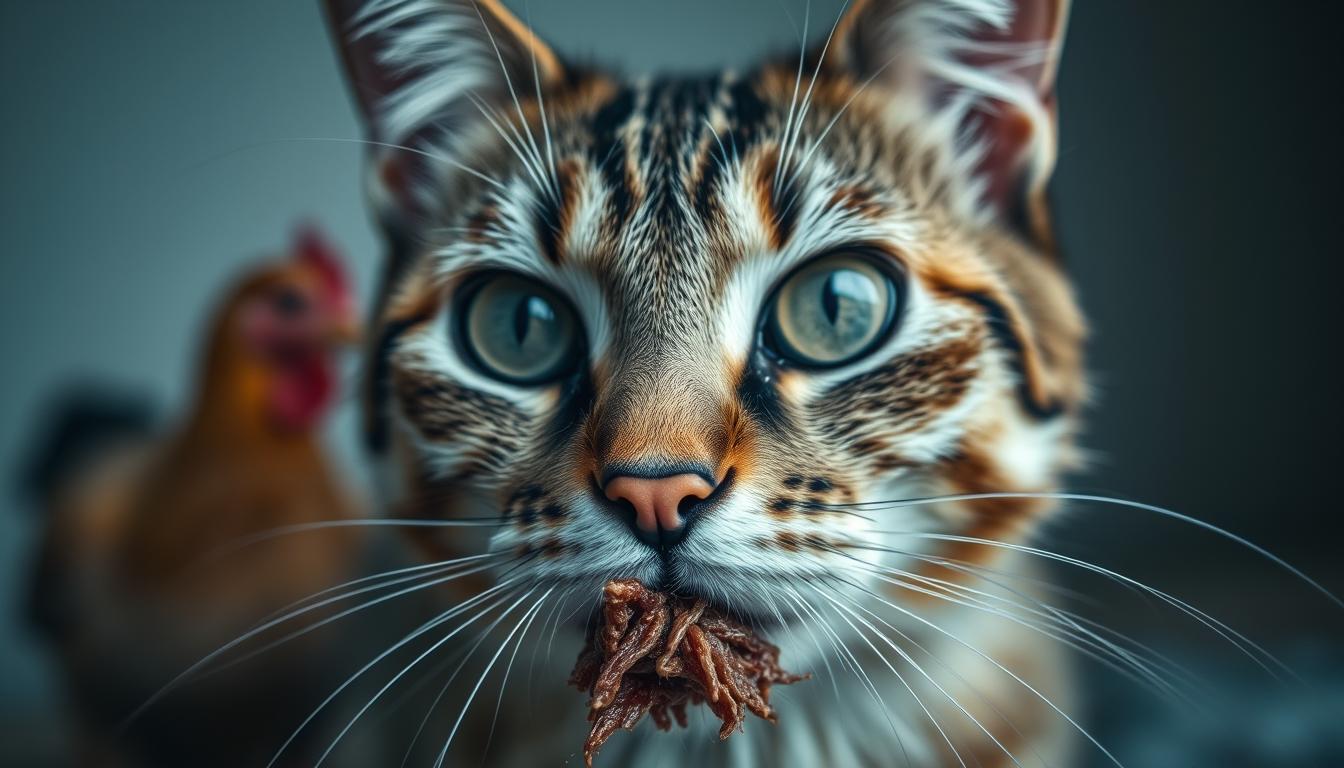
Cats can contract coccidia by inadvertently ingesting sporulated oocysts, which are immature coccidia, found in the feces of infected cats. These oocysts can also contaminate food or water, as well as raw meat infected with parasitic cysts. Cats that hunt or consume raw meat are at a higher risk of developing coccidia.
The transmission of coccidia in cats occurs when they ingest the oocysts present in the environment or through contaminated food and water. Once ingested, the oocysts mature and infect the intestinal lining, leading to coccidiosis.
Several risk factors can make cats more susceptible to coccidia infections. These include:
Early detection and prompt treatment are crucial to prevent the spread of coccidia and minimize the impact on a cat’s health. Veterinarians can diagnose coccidia infections through a combination of a thorough history provided by the owner, a physical examination of the cat, and a microscopic fecal examination. Regular fecal testing is recommended to detect and prevent the unknowing harboring and spreading of the parasite.
In the next section, we will explore the diagnosis of coccidia in cats, including the symptoms and clinical presentation, as well as the diagnostic procedures used by veterinarians to confirm the infection.
When it comes to diagnosing coccidia in cats, veterinary professionals rely on a combination of symptoms and diagnostic procedures to confirm the presence of the parasite. Timely and accurate diagnosis is crucial for effective treatment and management.
The symptoms of coccidia infection in cats can vary depending on the cat’s age, health status, and the number of parasites present. Symptoms typically manifest between 3 to 11 days after the parasite is ingested. Common symptoms of coccidia in cats include:
It is important to note that many cats infected with coccidia may not exhibit diarrhea or any other clinical signs. In healthy adult cats with a mature immune system, the presence of coccidia oocysts in their stool is generally considered a transient and insignificant finding. However, young kittens with immature immune systems can develop severe and life-threatening infections.
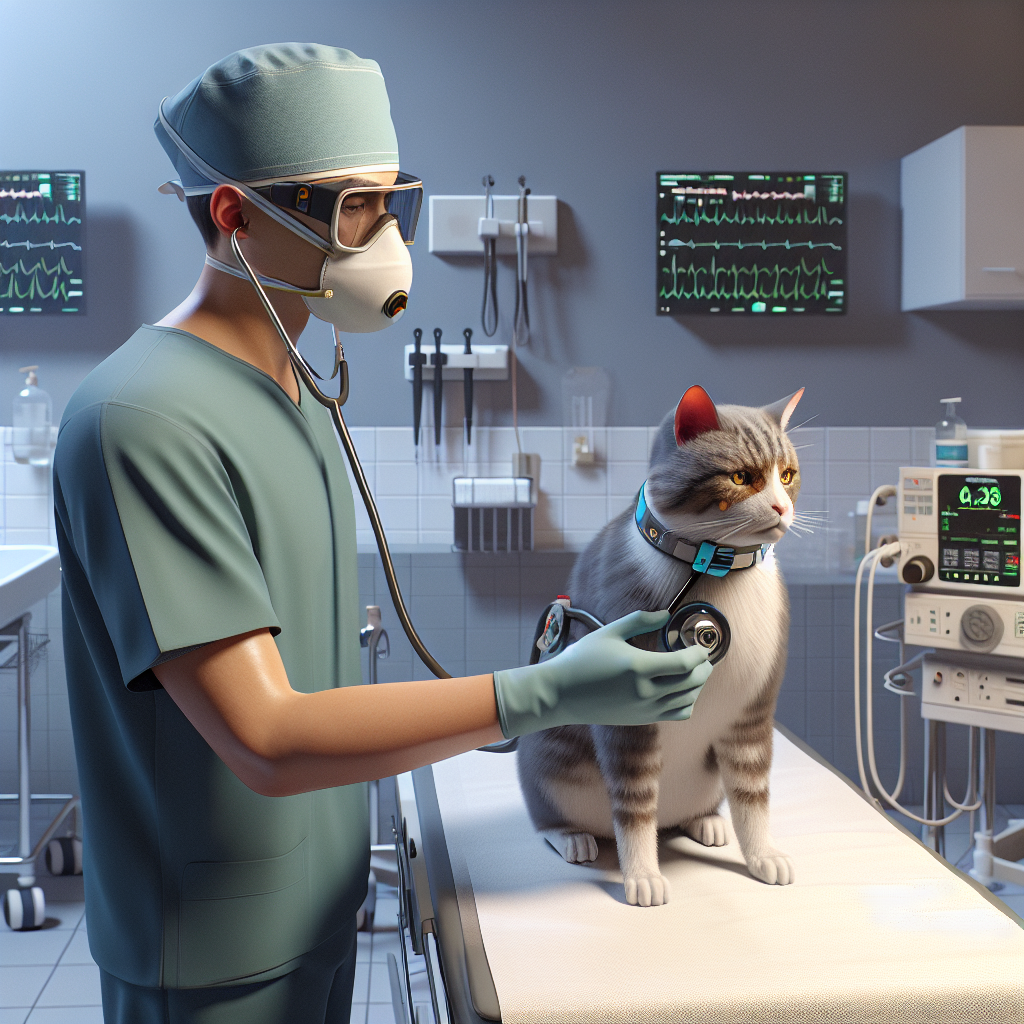
To confirm a coccidia infection in cats, veterinarians rely on a combination of history from the pet owner, a physical examination of the cat, and a microscopic fecal examination. The microscopic examination of the cat’s feces is a crucial diagnostic procedure for identifying the presence of coccidia oocysts.
During the microscopic examination, a small sample of the cat’s stool is examined under a microscope. The presence of coccidia oocysts, which are the parasite’s infectious stage, confirms the diagnosis. It’s essential to have your cat’s feces tested periodically, at least yearly, to ensure they are not unknowingly harboring and spreading the parasite (Hill’s Pet Nutrition).
Through a comprehensive evaluation of symptoms and appropriate diagnostic procedures, veterinarians can accurately diagnose coccidia in cats. This enables them to develop an effective treatment plan to address the infection and prevent further transmission. If you suspect that your cat may have coccidia, it is important to consult with a veterinarian for proper diagnosis and guidance on treatment options, such as coccidia medication for cats.
When it comes to treating coccidia in cats, there are various options available, including common medications and supportive therapies.
The most commonly used medication for treating coccidia in cats is Sulfadimethoxine, which is sold under the brand name Albon®. Sulfadimethoxine is an oral antimicrobial medication that helps eliminate the coccidia parasite from the cat’s system (PetMD). The dosage and duration of treatment may vary depending on the severity of the infection and the veterinarian’s recommendation.
In some cases, other medications may be prescribed for the treatment of coccidia in cats. These may include tylosin, paromomycin, or ponazuril, depending on the specific type of coccidia present (Hill’s Pet Nutrition). For infections caused by Toxoplasma, a two-week course of the antibiotic clindamycin may be prescribed (Hill’s Pet Nutrition).
It’s important to follow the veterinarian’s instructions regarding the dosage, frequency, and duration of medication. Completing the full course of treatment is crucial to ensure the complete elimination of the coccidia parasite.
In addition to medication, supportive therapies can play a crucial role in the treatment of coccidia in cats. These therapies aim to alleviate symptoms and support the cat’s overall health during the recovery process.
Supportive therapies may include:
Supportive therapies are tailored to the individual cat’s needs and may vary depending on the severity of the infection and the veterinarian’s assessment. It’s important to consult with a veterinarian for guidance on the appropriate supportive therapies for your cat’s specific situation.
Recovery from coccidia in cats is typically achieved with proper treatment and support, leading to a full recovery (PetMD). It’s crucial to closely monitor the cat’s progress during treatment and consult with a veterinarian if there are any concerns or changes in the cat’s condition.
For more information on coccidia treatment for cats, including additional medications and management strategies, consult with a veterinarian experienced in feline health.
When it comes to coccidia in cats, prevention and management are key to keeping your feline companion healthy. By implementing effective strategies for environmental control and practicing good hygiene, you can minimize the risk of coccidia infection and reduce the spread of the disease.
Proper environmental control is crucial in preventing the transmission of coccidia. The infective coccidia oocysts can survive in the environment for an extended period, up to a year in some cases. Regular cleaning and sanitation of your cat’s living area are essential, especially in facilities with multiple cats or kittens in close proximity. Here are some measures you can take:
Maintaining good hygiene practices is vital in preventing the spread of coccidia and protecting the health of your cat. Here are some hygiene practices to consider:
By implementing proper environmental control measures and practicing good hygiene, you can significantly reduce the risk of coccidia infection in your cat. Remember, prevention is key to maintaining your cat’s health, and regular veterinary visits are important for overall wellness. If you suspect your cat may have coccidia or need guidance on prevention strategies, consult with your veterinarian for expert advice.
Kittens are particularly vulnerable to coccidia, as their immune systems are still developing. They can become infected by their mother through exposure to her feces, especially when kittens are exploring their surroundings. It is crucial to provide proper care and treatment for kittens diagnosed with coccidia to ensure their well-being.
Young kittens, typically those under six months of age, have little to no immunity against coccidia. This allows the organisms to reproduce rapidly, leading to potential health consequences. It usually takes around 3-11 days for illness to develop after the initial ingestion of coccidia. As a result, kittens that become sick from a coccidia infection are usually at least two weeks old.
When it comes to treating coccidia in kittens, the most common medication used is a sulfa-class antibiotic called sulfadimethoxine (Albon®). This medication is typically administered for a duration of 5-20 days. In cases where the sulfa drug is not effective, alternative treatments may be considered. These can include sulfa antibiotics combined with other drugs like amprolium (Albac/Amprol Hi-E®) or off-label use of ponazuril (Marquis®) or toltrazuril (Baycox®). Additional supportive treatments may be necessary if diarrhea and dehydration occur (VCA Canada).
It’s important to note that treatment for coccidia should always be administered under the guidance of a veterinarian. They will be able to determine the appropriate medications and dosage based on the severity of the infection and the specific needs of the kitten.
While treating coccidia is essential, it is equally important to address environmental factors that may contribute to reinfection. Cats can frequently become reinfected from their environment, as coccidia oocysts are highly resistant to environmental conditions and disinfectants. Practicing good hygiene and proper disposal of cat feces can help minimize the risk of transmission. Diluted chlorine bleach is an effective disinfectant for coccidia, but it’s crucial to follow proper guidelines for its use.
It’s worth noting that while there is a potential risk of cats transmitting certain parasites to humans, such as coccidia, it does not usually warrant removing the cat from the home. By practicing good hygiene, including proper handwashing, and maintaining a clean living environment, the risk of transmission can be minimized (VCA Canada).
Proper care and treatment, along with proactive measures to prevent reinfection, are essential for ensuring the health and well-being of kittens with coccidia. Working closely with a veterinarian and following their guidance will help provide the best possible care for these vulnerable little ones.
When it comes to coccidia in cats, it is important to address the potential zoonotic nature of this parasitic infection and the necessary mitigation strategies to protect human health.
Coccidia parasites can be spread to humans through accidental ingestion of sporulated oocysts. These oocysts are found in the feces of infected cats, as well as in contaminated food or water, and raw meat infected with parasitic cysts. Cats that hunt or consume raw meat are at a higher risk of developing coccidia, increasing the likelihood of transmission to humans (Hill’s Pet Nutrition).
One particular coccidia species of concern is Toxoplasma gondii. This parasite can be transmitted to humans through the consumption of raw meat containing parasitic cysts. In pregnant cats, Toxoplasma infection may lead to the delivery of stillborn kittens. Male cats are more susceptible to Toxoplasma compared to females.
While there is a potential risk of cats transmitting certain parasites, including coccidia, to humans, it is important to note that the risk can be minimized through good hygiene practices. Removing a cat from a home is generally unnecessary, except in very rare instances. Instead, practicing proper hygiene is key to preventing transmission. Here are some mitigation strategies to consider:
Proper hygiene practices: Wash hands thoroughly with soap and water after handling cat feces, cleaning litter boxes, or interacting with cats. This helps to minimize the risk of transmitting coccidia or other parasites to humans.
Disposing of cat feces: Ensure that cat feces are promptly and properly disposed of in a hygienic manner. Use gloves or a scooper to handle feces, and place it in a sealed bag before disposing of it in the garbage.
Cooking raw meat: To prevent the transmission of coccidia and other parasites, ensure that any raw meat fed to cats is cooked thoroughly. Cooking at appropriate temperatures helps to kill potential pathogens.
Avoiding raw meat consumption: Practice caution when handling and consuming raw meat, as it may contain parasitic cysts. Cooking meat thoroughly can help eliminate the risk of infection.
By implementing these mitigation strategies, the risk of coccidia transmission from cats to humans can be significantly reduced. Remember, good hygiene practices are essential in maintaining the well-being of both cats and their human companions.
To learn more about coccidia in cats and its treatment options, refer to our article on coccidia in cats.