 11
11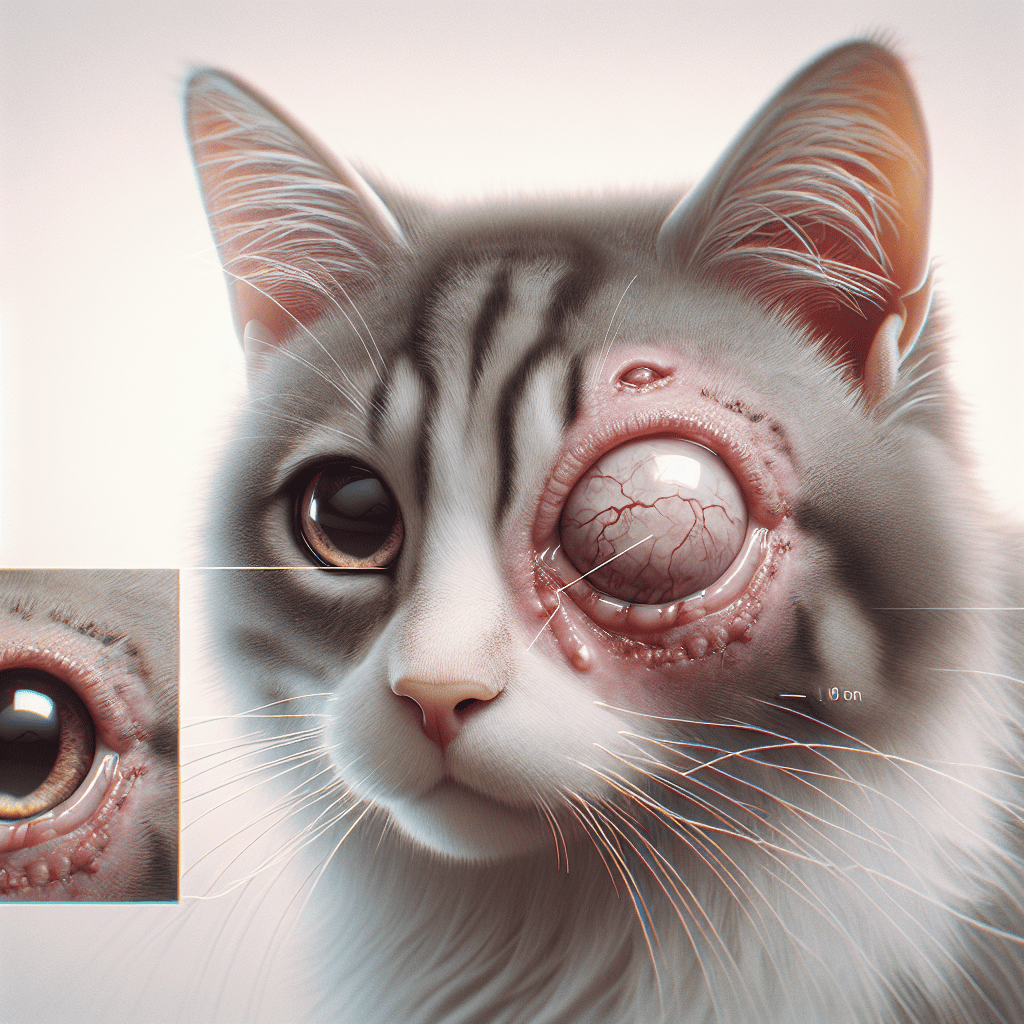

Corneal ulcers in cats are a common eye condition that can cause discomfort and potential vision loss. To properly address this issue, it’s important to understand the causes and recognize the symptoms and signs associated with corneal ulcers in cats.
Corneal ulcers in cats are primarily caused by trauma to the eye, as stated by PetMD. This trauma can occur due to a variety of factors, such as foreign bodies entering the eye, eyelid abnormalities, or tear-production conditions. Scratches from fights, ingrown eyelashes, trapped dirt, exposure to chemicals, and viral or bacterial infections can also contribute to the development of corneal ulcers (Cornell Feline Health Center). Recurrent infection with the feline herpesvirus (FHV) is a frequent cause of corneal ulcers in cats.
Here are some common causes and risk factors for corneal ulcers in cats:
It’s important to note that corneal ulcers can occur in cats of any age or breed. However, certain breeds may be more prone to developing corneal ulcers, such as Persians and Siamese cats.
Detecting corneal ulcers in cats can be challenging, as they may not always be visible to the naked eye. However, there are several symptoms and signs that may indicate the presence of a corneal ulcer. These can include:
If you notice any of these symptoms or signs in your cat, it’s crucial to seek veterinary attention promptly. A thorough examination by a veterinarian, including the use of a fluorescein stain test, can help diagnose and determine the severity of the corneal ulcer (WebMD).
Understanding the causes, symptoms, and signs of corneal ulcers in cats is essential for early detection and appropriate treatment. By recognizing the risk factors and seeking veterinary care promptly, you can help ensure the best possible outcome for your feline companion.
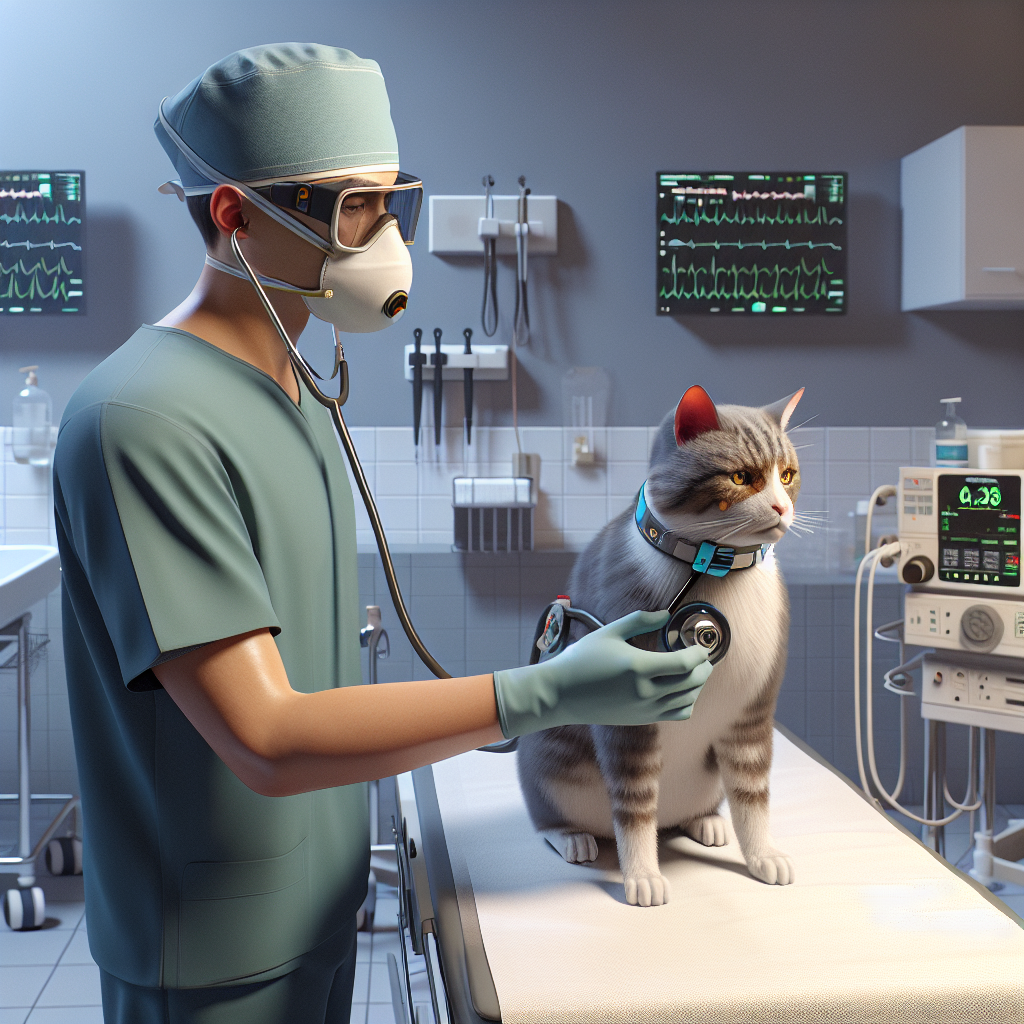
When it comes to diagnosing corneal ulcers in cats, a thorough examination and specific diagnostic tests are necessary to determine the presence and severity of the condition. Two commonly used methods for diagnosis are diagnostic tests and the fluorescein stain test.
Several diagnostic tests can aid veterinarians in diagnosing corneal ulcers in cats. These tests help assess tear production, intraocular pressure, and the integrity of the cornea. Some of the commonly employed diagnostic tests include:
The fluorescein stain test is a key component of diagnosing corneal ulcers in cats. With the help of fluorescein dye, damaged tissue on the cornea binds to the dye, leaving a greenish coloration on the ulcerated area. This staining effect makes it easier for veterinarians to identify the presence and extent of corneal ulcers (Cornell Feline Health Center). Special ophthalmic lights and filters may be used to enhance the visibility of the stain, aiding in the detection of both large and tiny ulcers.
By utilizing these diagnostic tests, veterinarians can accurately diagnose corneal ulcers in cats. Early diagnosis is crucial to initiate appropriate treatment and prevent further complications. Regular re-examinations by a veterinarian are recommended to monitor the healing progress and address any potential complications. If you suspect that your cat may have a corneal ulcer, seek veterinary care promptly for an accurate diagnosis and appropriate treatment plan.
When it comes to the treatment of corneal ulcers in cats, the approach can vary depending on the severity of the ulcer. Treatment options include the use of topical medications, surgical interventions, and preventive measures.
For simple corneal ulcers or abrasions, antibiotic ophthalmic drops or ointments are often prescribed. These medications serve multiple purposes: preventing bacterial infections, reducing the risk of complications, and providing pain relief for the cat. Typically, with proper treatment, these types of ulcers heal within three to five days (VCA Canada).
It’s important to note that topical corticosteroids should not be used until the ulcer is completely healed, to avoid interfering with the healing process. However, after the ulcer has healed, if neovascularization (the formation of new blood vessels) occurs, topical corticosteroids may be prescribed to reduce the size of these blood vessels and prevent them from obstructing vision (VCA Canada).
In more severe cases, such as deep corneal ulcers or descemetoceles, surgical intervention may be necessary to protect the eye and promote healing. The specific surgical techniques employed will depend on the individual case and the recommendations of the veterinarian.
One surgical approach involves suturing the third eyelid over the ulcer, providing a protective cover. Another option is performing a keratectomy, which involves removing dead tissue from the cornea to facilitate healing.
Preventing corneal ulcers in cats involves taking certain preventive measures. Environmental safety measures, such as ensuring a hazard-free environment, can help minimize the risk of eye injuries that can lead to corneal ulcers. This includes keeping sharp objects out of their reach and providing safe play areas with minimal risk of trauma.
Additionally, vaccination against viral infections, such as feline herpesvirus (FHV), is crucial in preventing corneal ulcers caused by these viruses. Consult with your veterinarian to ensure that your cat’s vaccinations are up to date and include protection against relevant viruses.
By employing a combination of appropriate topical medications, surgical interventions when necessary, and preventive measures, the treatment approaches for corneal ulcers in cats aim to alleviate discomfort, promote healing, and prevent further complications. Regular monitoring and follow-up with a veterinarian are essential to ensure the best possible outcome for your feline companion.
Once a corneal ulcer in cats is diagnosed and treatment is initiated, it is important to closely monitor the healing progress and watch for any potential complications that may arise.
In many cases, corneal ulcers in cats heal naturally within a few days to a week without treatment or even being noticed by the owner. It is common for many ulcers to be asymptomatic and go unnoticed (Cornell Feline Health Center). However, it is still crucial to keep a watchful eye on your cat’s condition.
During the healing process, you should observe your cat for any signs of improvement, such as a reduction in redness, discharge, or squinting. Additionally, monitor for any changes in your cat’s behavior or appetite, as these could indicate complications or underlying issues.
Regular follow-up appointments with your veterinarian are essential to assess the healing progress and make any necessary adjustments to the treatment plan. Your veterinarian may conduct further examinations or tests to evaluate the healing of the corneal ulcer.
While most corneal ulcers in cats heal naturally without complications, there are potential issues that may arise during the healing process. It is important to be aware of these complications and seek veterinary attention if necessary.
Some possible complications include:
If you notice any concerning changes or complications during the healing process, do not hesitate to contact your veterinarian. They will be able to provide appropriate guidance and interventions to ensure the best outcome for your cat.
While corneal ulcers in cats can often heal naturally without treatment, it is important to stay vigilant and seek veterinary care when needed. By closely monitoring the healing progress and promptly addressing any complications, you can help your cat recover and maintain their ocular health.
When it comes to corneal ulcers in cats, one of the most frequent causes is the feline herpesvirus (FHV). Feline corneal ulcers can have various causes, including scratches, ingrown eyelashes, trapped dirt, exposure to chemicals, and viral or bacterial infections. However, recurrent infection with the feline herpesvirus is particularly associated with the development of corneal ulcers.
Feline herpesvirus (FHV) is a common viral infection among cats, particularly those with a weakened immune system. The virus can cause recurrent infections, leading to the development of corneal ulcers. FHV primarily affects the upper respiratory tract, but it can also affect the eyes, leading to ulceration on the surface of the eye.
The exact mechanisms by which FHV leads to corneal ulcers are not fully understood. However, it is believed that the virus damages the corneal tissue, making it more susceptible to infection and ulceration. The ulcers caused by FHV can be painful for cats and may result in discomfort, redness, excessive tearing, and squinting.
Treating corneal ulcers associated with FHV involves a combination of antiviral and supportive therapies. The goal of treatment is to control the viral infection, provide relief from symptoms, and promote healing of the corneal ulcer.
Antiviral medications, such as topical ointments or eye drops containing antiviral drugs, may be prescribed to help suppress the FHV infection and prevent further damage to the cornea. These medications can help reduce the duration and severity of the ulcers.
Additionally, supportive care measures, such as using lubricating eye drops or ointments, can help soothe the eyes and provide relief from discomfort. Pain medications may also be recommended to alleviate any pain associated with the ulcers.
Regular monitoring by a veterinarian is crucial during the treatment process to assess the healing progress and make adjustments to the treatment plan if necessary. It’s important to follow the veterinarian’s instructions and complete the full course of treatment to ensure optimal recovery.
If you suspect that your cat may have corneal ulcers or any eye-related issues, it is essential to seek veterinary care promptly. Early diagnosis and appropriate treatment are vital in managing corneal ulcers and preventing potential complications.
While feline herpesvirus is a significant contributor to corneal ulcers in cats, it’s essential to remember that other factors can also contribute to the development of these ulcers. Maintaining a safe and healthy environment for your cat, regular vaccinations, and prompt veterinary care can help reduce the risk of corneal ulcers and other eye-related issues. For more information on preventing corneal ulcers, refer to our article on cat corneal dystrophy and corneal degeneration in cats.
Taking proactive measures to prevent corneal ulcers in cats is crucial for maintaining their ocular health. By implementing environmental safety measures and ensuring proper vaccination, you can significantly reduce the risk of corneal ulcers in your feline companion.
Creating a safe environment for your cat is essential in preventing corneal ulcers. Here are some measures you can take:
Remove potential hazards: Regularly inspect your cat’s surroundings and remove any objects that could potentially cause trauma to their eyes. This includes sharp objects, protruding edges, or hazardous materials.
Manage fighting and aggression: Cats engaging in aggressive behavior or fighting are more prone to eye injuries. Implementing appropriate behavior management techniques, providing environmental enrichment, and seeking professional advice can help minimize the risk of ocular trauma.
Provide adequate supervision: Supervise your cat during outdoor activities to prevent them from encountering hazardous objects, such as thorny plants or sharp branches, which can lead to corneal injuries.
Vaccination plays a crucial role in preventing corneal ulcers, particularly those caused by feline herpesvirus (FHV). FHV is a common viral infection among cats and can lead to recurrent feline eye ulcers (WebMD). By ensuring your cat receives the core vaccines, including the FHV vaccine, you can significantly reduce the risk of developing ulcers associated with this viral infection.
Regular vaccination not only protects your cat from feline herpesvirus but also helps to prevent other infectious diseases that can indirectly contribute to corneal ulcers. Consult with your veterinarian to establish an appropriate vaccination schedule based on your cat’s age, lifestyle, and overall health.
By implementing these preventive measures, you can minimize the likelihood of corneal ulcers in your cat. However, if you suspect any eye-related issues or notice signs of discomfort, it is crucial to seek veterinary care promptly. Early detection and intervention can prevent potential complications and ensure the well-being of your feline companion. For more information on corneal degeneration in cats, visit our article on cat corneal dystrophy.