 11
11

Cyanosis, characterized by the bluish discoloration of the skin due to reduced oxygen in the blood, is an indication of health problems within the body, often related to heart and lung diseases or ingestion of toxins. Let’s take a closer look at the definition of cyanosis and its possible causes.
Cyanosis in cats is characterized by a change in blood color to a bluish tone when oxygen levels are reduced, leading to tissue color changes like blue, purple, or brownish tinges. This discoloration is most noticeable in areas with less hair, such as the gums, lips, and other mucous membranes. The bluish hue is a result of the increased concentration of deoxygenated hemoglobin in the blood vessels (Wagwalking).
Cyanosis in cats can be caused by various factors, including:
Congenital Heart Defects: Some cats may be born with heart abnormalities that affect blood oxygenation.
Toxin Ingestion: Ingesting certain toxins can interfere with proper oxygen transport in the blood.
Electrical Shock: Electrical injuries can disrupt the normal functioning of the heart and lungs, leading to cyanosis.
Trauma or Inflammation: Injuries or inflammation affecting the respiratory system or blood vessels can result in reduced oxygenation.
Brachycephalic Obstructive Airway Syndrome: Certain cat breeds with short, flattened faces, such as Persians and Himalayans, are prone to airway obstruction, which can contribute to cyanosis (PetMD).
Saddle Thrombus: A blood clot that blocks the major blood vessels supplying the hind limbs can cause cyanosis in the affected area.
Hypothermia: Extremely low body temperature can impair oxygen delivery to tissues, leading to cyanosis.
It’s important to note that cyanosis is a clinical sign rather than a specific disease. Determining the underlying cause of cyanosis requires a thorough evaluation by a veterinarian. If you notice any signs of cyanosis in your cat, it’s crucial to seek prompt veterinary care to identify and address the underlying cause. For information on symptoms and diagnosis of cyanosis in cats, refer to our article on cyanosis in cats symptoms.
Detecting and diagnosing cyanosis in cats is essential for timely treatment and management. Understanding the visible signs of cyanosis and the diagnostic procedures involved can help identify this condition in cats.
Cyanosis in cats is characterized by a change in blood color, resulting in a bluish tone when oxygen levels are reduced. This reduction in oxygen levels leads to visible color changes in the tissues, such as blue, purple, or brownish tinges (Wagwalking). Some of the common signs and symptoms of cyanosis in cats include:
If you notice any of these visible signs of cyanosis in your cat, it is important to seek immediate veterinary attention. Early detection and intervention can be crucial in managing this condition.
For more information about the symptoms of cyanosis in cats, please refer to our article on cyanosis in cats symptoms.
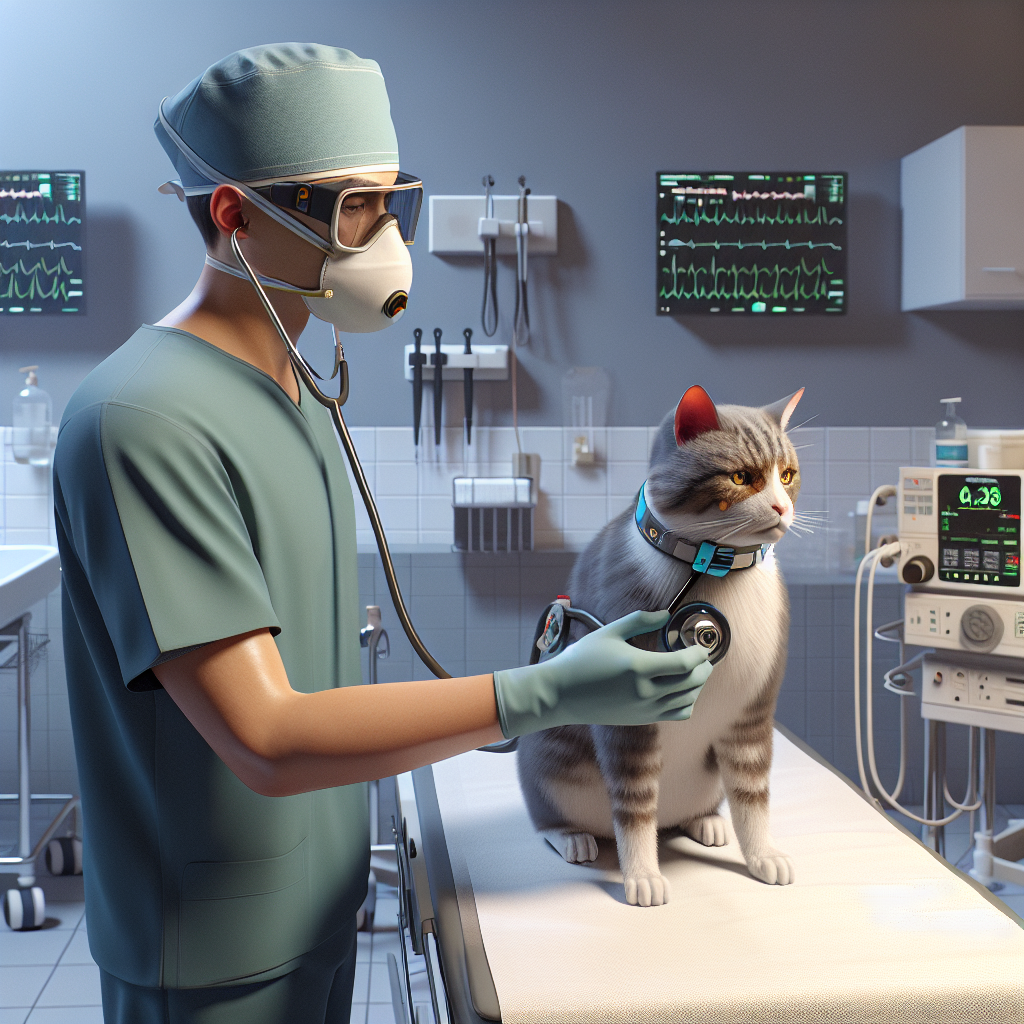
Diagnosing cyanosis in cats involves a combination of physical examinations and diagnostic tests. A veterinarian will perform a thorough physical exam, assessing the color of the cat’s mucous membranes and skin. The bluish discoloration of these areas is an indication of reduced oxygen levels in the blood (PetMD).
In addition to the physical exam, the following diagnostic procedures may be employed:
The specific diagnostic procedures performed will depend on the cat’s individual case and the suspected underlying cause of cyanosis.
For more information about the diagnosis of cyanosis in cats, please refer to our article on cyanosis in cats diagnosis.
By recognizing the visible signs of cyanosis and utilizing appropriate diagnostic procedures, veterinary professionals can accurately diagnose cyanosis in cats and determine the best course of treatment. Early detection and intervention are vital in managing this condition and ensuring the well-being of affected cats.
When it comes to treating cyanosis in cats, prompt intervention is crucial as it is a medical emergency that, if left untreated, can be fatal. The treatment options for cyanosis in cats include emergency veterinary care and medical interventions.
Immediate veterinary care is necessary to stabilize a cat with cyanosis and improve oxygen levels in the blood and tissues. This emergency care aims to address the underlying problem that led to cyanosis and prevent further complications. The specific interventions may vary depending on the underlying cause of cyanosis, which can be life-threatening and may or may not be reversible.
Emergency veterinary care for cyanosis may involve:
These emergency measures aim to stabilize the cat’s condition and provide immediate relief. However, it’s important to address the underlying cause of cyanosis for long-term management and prevention of recurrence.
The medical interventions for treating cyanosis in cats depend on the underlying health issue causing the condition. Central cyanosis, in particular, is considered a medical emergency that requires immediate attention.
The specific medical interventions may include:
The choice of medical intervention will depend on the veterinarian’s assessment of the underlying cause and the cat’s specific condition.
In all cases, it is important to seek immediate veterinary care if you suspect cyanosis in your cat. Early intervention can make a significant difference in improving the cat’s oxygenation and overall prognosis. For more information on the symptoms and diagnosis of cyanosis in cats, refer to our article on cyanosis in cats symptoms.
Cyanosis in cats can be classified into two main types: central cyanosis and peripheral cyanosis. Understanding the differences between these types is crucial for determining the underlying cause and appropriate treatment for affected cats.
Central cyanosis is a serious condition that affects the entire blood supply, indicating a severe lack of oxygen in the blood. It is often a life-threatening condition and can be caused by various factors such as heart and lung diseases, defects, or poisoning (Wagwalking). In central cyanosis, the bluish discoloration is visible in multiple body parts, including the lips, gums, and mucous membranes.
Cats experiencing central cyanosis require immediate veterinary attention, as it is indicative of an underlying health issue that needs to be addressed promptly. The treatment for central cyanosis depends on the specific cause and may involve oxygen supplementation, medication, surgery, or other interventions as deemed necessary by the veterinarian.
Peripheral cyanosis, on the other hand, affects specific body parts such as the limbs or tail. It is often associated with blood flow obstructions or the application of tourniquets on the limbs, leading to reduced oxygen supply to those areas. Unlike central cyanosis, peripheral cyanosis is generally not as severe or life-threatening (Wagwalking).
Peripheral cyanosis in cats can also be linked to genetic defects, especially if observed in young cats. If you notice any bluish or purplish discoloration in your cat’s limbs or tail, it’s important to consult with a veterinarian for a thorough examination and diagnosis.
Diagnosing the specific type of cyanosis in cats involves various tests, including arterial blood gas measurement, pulse oximetry, ultrasound of the heart, electrocardiography, and blood work. These diagnostic procedures help determine the underlying cause and guide the appropriate treatment plan.
Understanding the type of cyanosis your cat is experiencing is crucial for effective treatment and management. If you suspect your cat may be showing signs of cyanosis, seek veterinary attention promptly to address the underlying health issues and improve your cat’s well-being.
While cyanosis can occur in cats of any breed, certain breeds may be more predisposed to this condition. In this section, we will explore two categories of cyanotic cat breeds: brachycephalic cat breeds and common cyanotic cat breeds.
Brachycephalic cat breeds, known for their flat faces, are more prone to developing cyanosis due to a condition called Brachycephalic Obstructive Airway Syndrome (BOAS). This syndrome is characterized by structural differences in the upper airways, leading to poor oxygenation compared to other cats (PetMD). Some examples of brachycephalic cat breeds include:
It’s essential for owners of brachycephalic cat breeds to be aware of the potential respiratory challenges these cats may face. Regular check-ups with a veterinarian can help monitor their respiratory health and identify any signs of cyanosis early on. For more information on the symptoms of cyanosis in cats, refer to our article on cyanosis in cats symptoms.
Apart from brachycephalic cat breeds, several other cat breeds may also be prone to cyanosis due to various factors. It’s important to note that cyanosis in cats can be caused by congenital heart defects, toxin ingestion, electrical shock, trauma or inflammation, Brachycephalic Obstructive Airway Syndrome (BOAS), saddle thrombus, and hypothermia (PetMD). While any cat can potentially develop cyanosis, the following breeds may have a higher likelihood:
It’s crucial for cat owners, regardless of the breed, to be vigilant and monitor their cats for any signs of cyanosis. Early recognition of the symptoms and prompt veterinary intervention can be life-saving. For details on diagnosing cyanosis in cats, refer to our article on cyanosis in cats diagnosis.
Understanding the breed-specific tendencies toward cyanosis can help cat owners recognize potential risks and provide appropriate care. If you suspect your cat may be experiencing cyanosis, it is crucial to seek immediate veterinary attention. Time is of the essence when it comes to treating cyanosis in cats. For more information on emergency care and treatment options, please visit our article on treating cyanosis in cats.
It’s also important to consider the financial aspects of treating cyanosis in cats. Veterinary expenses can vary depending on the severity of the condition, diagnostic procedures, and treatment required. To learn more about the costs associated with treating cyanosis in cats, read our article on cost of treating cyanosis. Remember, the health and well-being of your cat should always be a priority, and seeking professional veterinary care is essential.
When it comes to treating cyanosis in cats, it’s essential to consider the financial aspects alongside the health and well-being of your feline companion. The cost of treating cyanosis can vary depending on various factors, including the underlying cause and the necessary interventions. Let’s take a closer look at the financial considerations associated with treating cyanosis in cats.
The average cost of treating cyanosis in cats ranges from $500 to $6,000, with an average cost of $2,000. Immediate veterinary attention is necessary when symptoms of cyanosis develop, as it can be a sign of underlying health issues that require prompt diagnosis and treatment (Wagwalking). Cyanosis is often related to conditions affecting the heart, lungs, or even poisoning, which may require specialized care and interventions.
It’s important to note that the cost of treatment can vary based on several factors, including the severity of the cyanosis, the diagnostic procedures involved, and the specific medical interventions required for your cat’s condition. The overall cost may include diagnostic tests, medications, hospitalization, consultations, and follow-up visits.
Immediate veterinary intervention is necessary to improve oxygenation of the blood and prevent serious damage to your cat’s organs (PetMD). Treatment for cyanosis may involve managing the underlying cause of the condition, which can be life-threatening. The veterinary expenses associated with treating cyanosis can include the following:
Diagnostic Procedures: To accurately diagnose the underlying cause of cyanosis in your cat, your veterinarian may recommend various diagnostic procedures such as blood tests, imaging studies, electrocardiogram (ECG), or echocardiogram (ultrasound of the heart) cyanosis in cats diagnosis.
Emergency Veterinary Care: Immediate care is needed to stabilize a cat with cyanosis and improve oxygen levels in the blood and tissues (VCA Hospitals). Treatment may involve oxygen therapy, removing fluid from the chest, or creating an opening in the windpipe to facilitate breathing cyanosis in cats emergency.
It’s important to discuss the estimated costs and treatment options with your veterinarian. They can provide you with a detailed breakdown of the expenses involved and work with you to develop a treatment plan that suits both your cat’s needs and your financial situation.
Remember, timely intervention is crucial when it comes to cyanosis in cats. Seeking immediate veterinary attention can help improve the chances of a successful outcome and minimize potential complications.