 11
11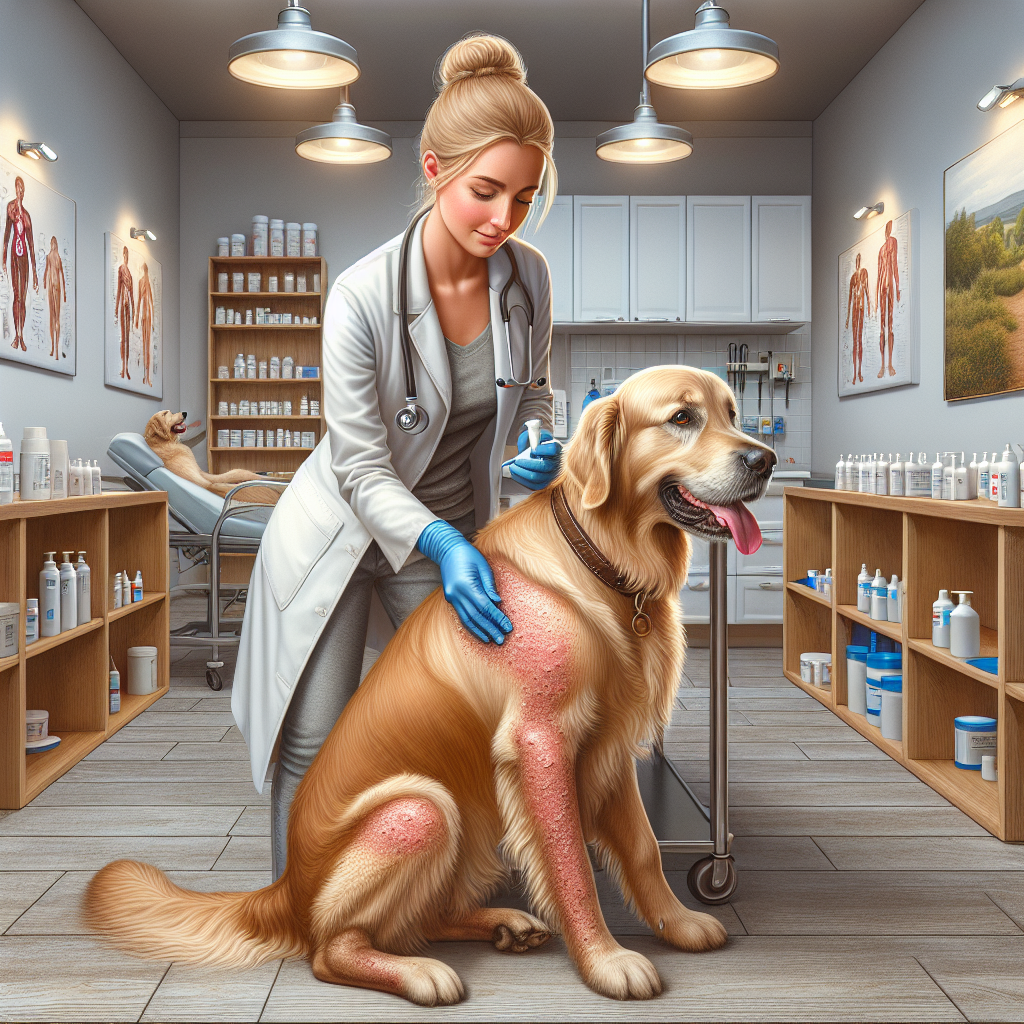

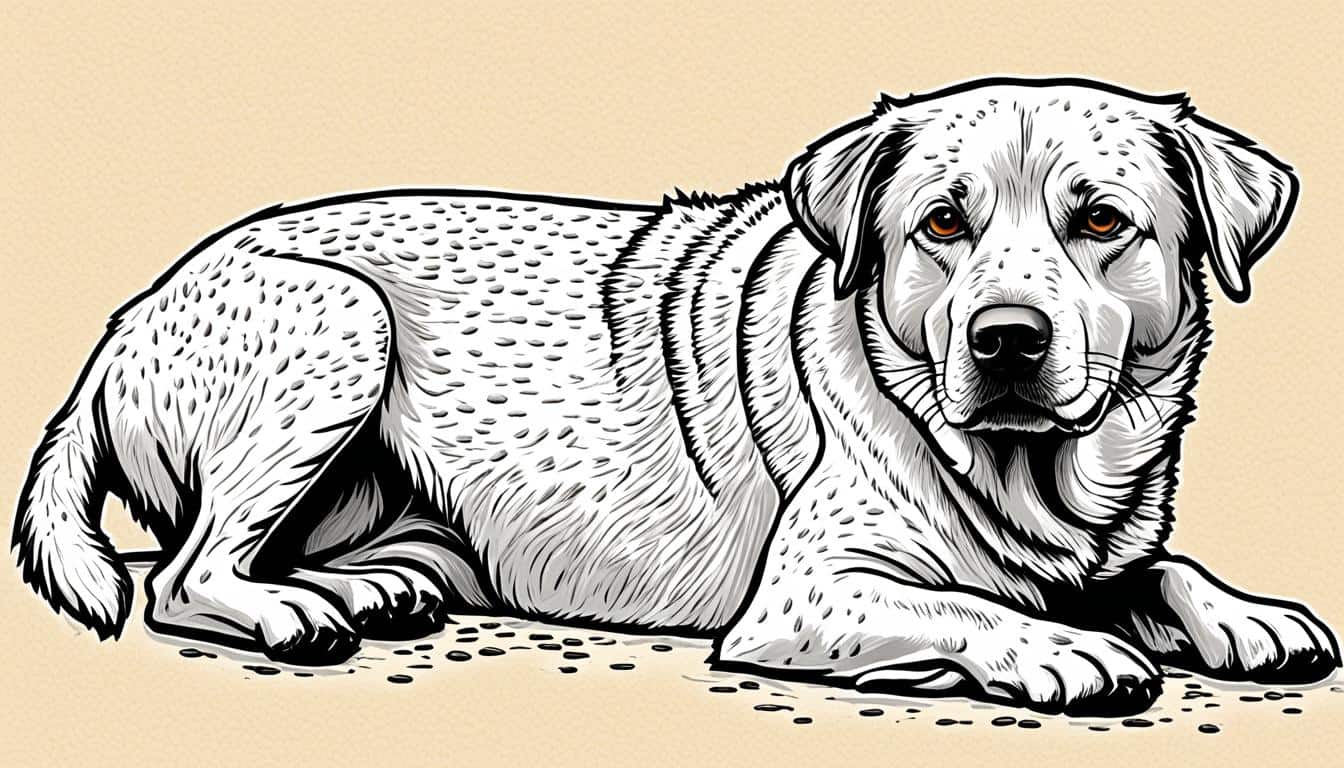
Dog rashes can be a distressing condition for both dogs and their owners. It is important to understand the causes and symptoms of dog rashes in order to provide appropriate treatment and relief.
Dog rashes can have various causes, and identifying the root cause is crucial for effective treatment. Some common causes of dog rashes include:
Symptoms of dog rashes can vary depending on the underlying cause and severity. Some common symptoms of dog rashes include:
It is important to note that additional symptoms may occur depending on the underlying cause of the rash. If you notice any unusual skin changes or suspect your dog has a rash, it is recommended to seek veterinary attention for a proper diagnosis and treatment plan. For more information on dog rashes and their treatment, continue reading our article on dog rash treatment.
When it comes to dog rashes, there are several common types that pet owners should be aware of. Each type of rash may have different causes and require specific treatment. In this section, we will explore three common types of dog rashes: allergic dermatitis, yeast infections, and bacterial skin infections.
Allergic dermatitis is a common type of rash in dogs. It occurs when a dog’s immune system overreacts to certain allergens, such as pollen, dust mites, or certain foods. The allergic reaction can manifest as red, itchy, and inflamed skin.
To treat allergic dermatitis, it is important to identify and avoid the allergens that trigger the reaction. In some cases, antihistamines or corticosteroids may be prescribed by a veterinarian to help alleviate the symptoms. For more information on allergic reactions in dogs, you can refer to our article on allergic reaction in dogs.
Yeast infections are another common cause of rashes in dogs. These infections are often caused by an overgrowth of yeast, typically the Malassezia species, on the skin. Yeast infections can lead to symptoms such as irritated, itchy, or discolored skin, commonly affecting the paws or ears of dogs (WebMD).
Treatment for yeast infections may involve topical creams, oral medications, medicated sprays, or medicated baths. It is important to follow the veterinarian’s instructions and complete the full course of treatment to effectively eliminate the yeast infection. For more information on yeast infections and their treatment, consult our article on dog rash on belly.
Bacterial skin infections, such as superficial bacterial folliculitis, can also cause rashes in dogs. These infections occur when bacteria penetrate the hair follicles, leading to sores, bumps, and scabs on the skin. Shorthaired dogs often exhibit more visible symptoms of bacterial skin infections.
Treating bacterial skin infections typically involves a combination of oral antibiotics, antibacterial ointments, or medicated shampoos. It is important to follow the veterinarian’s instructions regarding the duration and dosage of the prescribed treatment. For more details on bacterial skin infections and their treatment, refer to our article on dog rash on groin.
By familiarizing yourself with these common types of dog rashes, you can better understand their causes and treatment options. However, it’s important to note that proper diagnosis and treatment should always be sought from a veterinarian. They will be able to assess the specific condition of your dog’s rash and recommend the most appropriate course of action.
When it comes to treating dog rashes, it is important to address both the underlying cause of the rash and provide relief for the discomfort experienced by your furry friend. The treatment options for dog rashes can vary depending on the cause and severity of the condition. Here are some common treatment approaches:
Parasites, such as fleas or mites, can be a common cause of dog rashes. Treating the underlying parasite infestation is crucial to effectively manage the rash. This may involve the use of topical or oral medications specifically designed to eliminate the parasites and prevent further infestation. It is essential to follow the instructions provided by your veterinarian and ensure that all pets in the household are treated to prevent reinfestation. Regular year-round flea prevention is also recommended to keep your dog protected.
Certain medical conditions, such as allergies or bacterial infections, can contribute to the development of dog rashes. In the case of allergic dermatitis (Bond Vet), the most effective treatment is to identify and avoid exposure to the allergens causing the reaction. Your veterinarian may also prescribe medications, such as antihistamines or corticosteroids, to manage the allergic response and alleviate symptoms.
For bacterial skin infections, your veterinarian may prescribe antibiotics or topical medications to target the underlying bacterial overgrowth and promote healing. It is important to complete the full course of medication as prescribed by your veterinarian to ensure effective treatment.
Providing relief for your dog’s discomfort is an integral part of the treatment process. Various relief measures can be implemented to help soothe the affected areas and promote healing. These may include:
Remember, it’s essential to consult with your veterinarian to determine the most appropriate treatment plan for your dog’s specific condition. They can provide a comprehensive evaluation, diagnose the underlying cause of the rash, and recommend the most effective treatment options. By addressing both the cause and symptoms of the rash, you can help your furry companion reclaim their comfort and overall well-being.
When it comes to treating dog rashes, there are several home remedies that can provide relief for your furry friend. These remedies are natural and safe, and they can help soothe your dog’s irritated skin. Here are three effective home remedies for dog rashes:
Chamomile, calendula, and green tea have properties that soothe and cool irritated skin and reduce inflammation. These herbal remedies are great additions to a bath for dogs with itchy, hot patches of skin that are at risk of getting rubbed raw. To create a soothing soak, brew a strong chamomile or calendula tea and let it cool. Then, use a clean cloth or sponge to gently apply the tea to the affected areas on your dog’s skin. Allow the tea to air dry, and repeat the process as needed. This can help provide relief and promote healing. For more information on natural remedies, visit our article on natural remedies for dog rashes.
Apple cider vinegar is a natural and safe soother for dry, itchy skin. Its antiseptic and antifungal properties make it an effective remedy for dogs with irritated skin. However, it’s important to note that apple cider vinegar should not be used on raw or open skin. To create an apple cider vinegar solution, mix equal parts of apple cider vinegar and water in a spray bottle. Spray the solution onto your dog’s coat, focusing on the areas affected by the rash. Gently massage the solution into the skin, and let it air dry. This can help alleviate itching and provide relief. For more information on treating itchy skin, visit our article on treating itchy skin in dogs.
Oatmeal is an age-old remedy for dry, itchy skin, and it is safe for use on dogs. Many hypoallergenic dog shampoos include oatmeal as an active ingredient to soothe and fight irritation. To give your dog an oatmeal bath, start by grinding plain, unflavored oatmeal into a fine powder. Dissolve the oatmeal powder in warm water and let it sit for a few minutes until it forms a milky consistency. Then, bathe your dog as you normally would, using the oatmeal mixture as a shampoo. Gently massage it into your dog’s skin and coat, paying extra attention to the areas affected by the rash. Rinse thoroughly and towel dry. This can help moisturize and calm your dog’s skin. For more information on treating dry skin, visit our article on treating dry skin in dogs.
By utilizing these home remedies, you can provide your dog with relief from rashes and promote healthier skin. However, it’s important to note that home remedies are not a substitute for veterinary care. If your dog’s rash persists or worsens, it’s crucial to seek veterinary advice and guidance. Early diagnosis and proper treatment are key to ensuring your dog’s comfort and well-being. For more information on seeking veterinary care, visit our article on seeking veterinary diagnosis.
Taking preventive measures is key to reducing the likelihood of dog rashes and maintaining your furry friend’s skin health. By implementing these preventive measures, you can help keep your dog comfortable and minimize the occurrence of rashes.
Fleas are a common cause of dog rashes, so year-round flea prevention is crucial. These tiny parasites can cause intense itching and allergic reactions in dogs, leading to skin rashes and discomfort. Using flea prevention products recommended by your veterinarian will help protect your dog from flea infestations and the associated skin problems. Regularly check your dog for fleas and promptly address any signs of infestation.
A balanced diet plays a significant role in maintaining your dog’s overall health, including their skin condition. Providing a high-quality diet formulated for your dog’s specific needs can help support their skin health. Essential fatty acids, such as omega-3 and omega-6, are particularly beneficial for skin health. Consult your veterinarian to determine if your dog would benefit from skin health supplements.
Early veterinary care is crucial when it comes to identifying and addressing dog rashes. If you notice any signs of skin problems, such as redness, irritation, or persistent itching, it’s important to seek veterinary attention promptly. A veterinarian can examine your dog’s skin, diagnose the underlying cause of the rash, and recommend appropriate treatment options. Timely intervention can prevent the rash from worsening and help alleviate your dog’s discomfort.
By following these preventive measures, you can significantly reduce the risk of dog rashes and promote your dog’s overall skin health. Remember, each dog is unique, and it’s essential to consult with your veterinarian for personalized guidance on preventive measures based on your dog’s specific needs.
For more information on dog rashes and their treatment, refer to our previous sections on Understanding Dog Rashes and Treatment for Dog Rashes.
When it comes to treating dog rashes, seeking a veterinary diagnosis is crucial for accurate identification and appropriate treatment. A precise diagnosis of skin disorders in dogs requires a detailed history, physical examination, and appropriate diagnostic tests. These tests may include microscopic analysis of skin scrapings and hair, cultures of hair or skin swabs, specialized skin tests, blood and urine tests, and even biopsies. It may take several days before laboratory results are available.
Diagnostic testing, such as skin scrapings and impressions, may be recommended by veterinarians to identify the cause of a pet’s skin problem. Identifying the root cause of the rash is essential to provide tailored treatment and prevent worsening symptoms over time.
The specific tests conducted will depend on the veterinarian’s assessment of the dog’s condition. These tests may include:
It’s important to note that obtaining a precise diagnosis may require a collaborative effort between the veterinarian and the dog owner. Providing detailed information about the dog’s symptoms, medical history, and any previous treatments is crucial for an accurate diagnosis (Merck Veterinary Manual). This includes information about the primary complaint, duration of the problem, age at which the skin issue began, breed, behavior, environmental factors, and any previous treatments and their response (Merck Veterinary Manual).
When taking your dog to the veterinarian for a skin problem, it’s crucial to provide as much information as possible to aid in the diagnosis process. Here are some key points to consider:
By providing comprehensive information, you enable the veterinarian to make a more accurate diagnosis and develop an effective treatment plan for your dog’s rash. Remember, effective and safe treatment options for dog rashes are available from veterinarians, and over-the-counter remedies are unlikely to provide sufficient relief. If your dog does not respond to initial treatment or experiences recurrent skin problems, your veterinarian may refer you to a board-certified veterinary dermatologist for specialized care (Zoetis Petcare).