
 11
11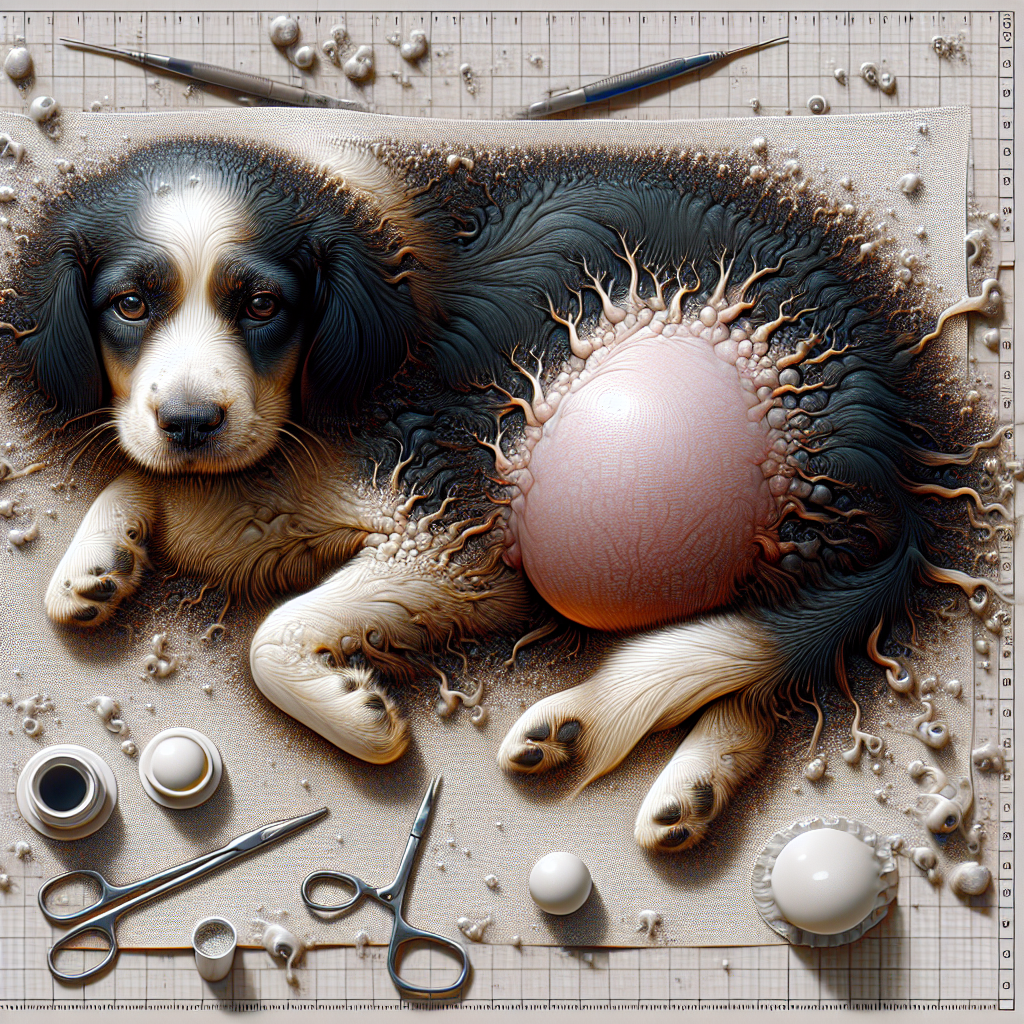

False pregnancy in dogs, also known as phantom pregnancy, pseudo-pregnancy, or pseudocyesis, refers to maternal behavior and physical signs of pregnancy in unspayed female dogs that are not actually pregnant, regardless of whether they were mated. It is a common condition that can occur in dogs of any age and does not necessarily follow every estrus cycle. The severity of clinical signs varies between individuals and may even vary from one cycle to the next in the same dog (VCA Hospitals).
False pregnancy occurs when a female dog’s ovaries produce hormones that prepare the uterus for pregnancy after an estrus cycle. If the dog is not pregnant, the hormone levels decline after four to six weeks, causing changes that mimic pregnancy. These hormonal changes stimulate false labor and mammary gland development, even in non-pregnant dogs (VCA Hospitals).
The exact cause of false pregnancy in dogs is not fully understood. However, it is believed to be influenced by hormonal imbalances and fluctuations, particularly involving progesterone and prolactin. The increase in prolactin levels during false pregnancy leads to mammary gland enlargement and milk production. Other hormonal changes can also contribute to the physical and behavioral signs observed during this condition.
False pregnancy symptoms in dogs typically appear four to nine weeks after the previous heat period. The duration of false pregnancy can vary but usually lasts for approximately 14 to 21 days. Most cases of false pregnancy are mild and resolve without treatment within this time frame.
It’s important to note that false pregnancy episodes can occur in dogs that have not been bred and even in those that have been spayed. If a dog experiences recurrent false pregnancies, the condition may be more persistent or severe, requiring veterinary intervention.
Understanding the definition, causes, and occurrence of false pregnancy in dogs is the first step in recognizing and addressing this condition. In the following sections, we will explore the various symptoms associated with false pregnancy, methods of diagnosis, treatment options, and long-term solutions to manage this condition in your furry companion.
False pregnancy, also known as pseudopregnancy or canine phantom pregnancy, is a condition that can affect female dogs. It occurs when a non-pregnant dog displays symptoms similar to those of pregnancy. Understanding the symptoms of false pregnancy is essential for dog owners to provide appropriate care and support. The symptoms can be categorized into physical signs and behavioral changes.
During false pregnancy, a female dog may exhibit various physical signs that mimic those of pregnancy. These signs can include:
It’s important to note that the severity of these physical signs can vary between individuals and may not be present in every case of false pregnancy. Additionally, the symptoms may differ from one cycle to the next in the same dog (VCA Hospitals).
Apart from the physical signs, behavioral changes are commonly observed during false pregnancy in dogs. These changes can include:
Understanding and recognizing these behavioral changes can help dog owners provide comfort and support to their dogs during this period of false pregnancy. It’s important to keep in mind that the severity of these symptoms can vary, and not all dogs will display the same behaviors.
If you suspect that your dog is experiencing false pregnancy, it’s advisable to consult a veterinarian for an accurate diagnosis. The veterinarian can rule out other potential causes of the symptoms and provide appropriate guidance and care for your dog. Treatment options may include supportive measures to alleviate anxiety and discomfort. In cases where the false pregnancy symptoms are severe or recurring, spaying (ovariohysterectomy) is recommended to prevent future episodes (VCA Hospitals).
When it comes to the diagnosis and treatment of false pregnancy in dogs, it’s important to rely on veterinary expertise. The diagnosis involves confirming the absence of pregnancy and differentiating false pregnancy from other medical conditions. Once diagnosed, proper management and care are essential for the well-being of the dog.
To confirm false pregnancy in dogs, veterinarians employ various diagnostic methods. These may include a thorough physical examination, observation of behavioral changes, and performing imaging tests such as an abdominal ultrasound. During the ultrasound, the absence of fetal development and other signs of pregnancy can be observed (Joii Pet Care). Additionally, hormone level tests, such as a relaxin test, can help differentiate false pregnancy from a true pregnancy (Joii Pet Care).
Once false pregnancy is confirmed, appropriate management and care are crucial to alleviate symptoms and ensure the well-being of the dog. Here are some measures that can be taken:
It’s important to remember that false pregnancy usually resolves on its own within a few weeks. However, if the symptoms persist or worsen, or if there are any concerns about the dog’s health, it’s crucial to seek veterinary guidance. Veterinarians can provide tailored advice and, if necessary, prescribe medication to alleviate severe symptoms.
By following proper diagnosis procedures and providing appropriate care, false pregnancy symptoms can be managed effectively, ensuring the well-being and comfort of your furry companion.
False pregnancy, also known as pseudopregnancy or pseudocyesis, is not limited to dogs. Interestingly, there are similarities between false pregnancy in dogs and a similar condition known as pseudocyesis in humans. Let’s explore these similarities and the psychological factors that contribute to these phenomena.
Women experiencing pseudocyesis can exhibit symptoms that closely resemble those seen in dogs with false pregnancy. These symptoms may include missed periods, breast tenderness, morning sickness, weight gain, and even the sensation of fetal movement (WebMD). Similarly, dogs undergoing false pregnancy may display physical signs such as swollen mammary glands, milk production, and abdominal distension.
The manifestation of these symptoms in both dogs and humans can create a sense of confusion and belief in a pregnancy that is not actually occurring. It is important to note that while the symptoms may be similar, the underlying physiological mechanisms differ between species.
Psychological factors play a significant role in both canine false pregnancy and human pseudocyesis. In the case of humans, intense desires to become pregnant due to factors such as infertility, repeat miscarriages, impending menopause, or relationship issues can lead to the brain misinterpreting signals and releasing hormones that cause actual pregnancy symptoms (WebMD). Similarly, in dogs, hormonal imbalances triggered by changes in progesterone and prolactin levels can occur, often influenced by the dog’s reproductive cycle and maternal instincts.
It is worth noting that psychological factors can also lead to related phenomena in men, known as couvade or sympathetic pregnancy. Men may develop symptoms similar to their pregnant partners, such as weight gain, nausea, and backache, due to psychological factors and empathy (WebMD).
To address the psychological aspects of false pregnancy, both in dogs and humans, supportive care is essential. Patients may require psychological support, including therapy, to cope with the disappointment of realizing they are not pregnant after believing so for an extended period. Healthcare providers and veterinarians play a crucial role in providing gentle support and breaking the news to patients experiencing pseudocyesis, helping them navigate through the emotional aspects of the condition (WebMD).
Understanding the similarities between false pregnancy in dogs and pseudocyesis in humans can provide insight into the complex nature of these conditions. By recognizing the psychological factors at play, both in dogs and humans, we can approach the management and care of these conditions with empathy and support.
Taking preventive measures and considering long-term solutions can help manage and minimize the occurrence of false pregnancy in dogs. Two key aspects to focus on are spaying recommendations and understanding the potential health implications.
Spaying, or surgical sterilization, is one of the most effective long-term solutions for preventing false pregnancy in dogs. Spaying involves the removal of the ovaries and uterus, eliminating the hormonal changes that trigger false pregnancy symptoms. According to WebMD, spaying a dog after an estrus cycle can help prevent future false pregnancies, mammary gland cancer, and uterine infections.
It is important to note that timing is crucial when considering spaying. Performing the procedure too soon after an estrus cycle can still leave the hormonal changes responsible for false pregnancy intact. It is recommended to wait until the symptoms of false pregnancy have resolved before proceeding with spaying. By doing so, you can ensure a more successful outcome and reduce the risk of persistent symptoms post-surgery, as mentioned by VCA Hospitals.
False pregnancy in dogs is primarily caused by hormonal changes that occur after each estrus cycle. While the symptoms of false pregnancy typically clear up on their own within a month, understanding the potential health implications can further emphasize the importance of prevention and long-term management.
Spaying not only prevents future episodes of false pregnancy but also reduces the risk of mammary gland cancer and uterine infections, as stated by WebMD. Mammary gland cancer is a significant concern in intact female dogs, and spaying greatly reduces the chances of its development. Additionally, spaying eliminates the risk of potentially life-threatening uterine infections, which can occur in non-spayed dogs.
By opting for spaying as a preventive measure, you can provide your dog with long-term health benefits and minimize the occurrence of false pregnancy. It is essential to consult with a veterinarian to determine the most suitable timing for spaying and to discuss any concerns or questions regarding the procedure.
Understanding the benefits of spaying and the potential health implications can help guide dog owners in making informed decisions for the well-being of their pets. By taking preventive measures and considering long-term solutions, you can provide your dog with a healthier and happier life, free from the challenges posed by false pregnancy.
When your dog is going through a false pregnancy, providing comfort and support is essential for their well-being. Understanding how to offer the right care can help alleviate their symptoms and make them feel more secure.
During a false pregnancy, dogs may experience physical discomfort and emotional distress. Here are some ways you can provide comfort and support to your furry friend:
Create a Safe and Quiet Space: Set up a quiet area where your dog can retreat and feel secure. Provide a cozy bed or blanket for them to rest on.
Offer Gentle Affection: Give your dog gentle affection and reassurance. Spend quality time together, engaging in activities they enjoy, such as gentle play or grooming.
Monitor Food and Water Intake: Ensure that your dog has access to fresh water at all times. Monitor their food intake to prevent overeating, which can lead to weight gain and exacerbate symptoms. Consult with your veterinarian about appropriate feeding guidelines.
Engage in Relaxation Techniques: Calming techniques, such as massage or using soothing music, may help relax your dog. Consult with a professional dog masseuse or explore relaxation techniques recommended by experts.
Use Distraction and Mental Stimulation: Engaging your dog’s mind can help redirect their focus away from false pregnancy symptoms. Offer puzzle toys or participate in training sessions that challenge their mental abilities.
Remember, providing comfort and support should be tailored to your dog’s individual needs. Observe their behavior and adjust your approach accordingly. If you’re concerned about the severity of their symptoms or need guidance, consult with your veterinarian.
If your dog is experiencing severe symptoms or appears physically ill during a false pregnancy, it is important to seek veterinary guidance. Your veterinarian can assess your dog’s condition and recommend appropriate treatment options.
In most cases, false pregnancy in dogs resolves within approximately 14 to 21 days without treatment VCA Hospitals. However, if the symptoms are severe or persistent, treatment may be necessary. This can include sedation to relieve anxiety, diuretics to reduce milk production or fluid retention, and in rare cases, hormonal treatment. Your veterinarian will determine the best course of action based on your dog’s specific needs.
For dogs not intended for breeding, spaying (ovariohysterectomy) is recommended to prevent future episodes of false pregnancy VCA Hospitals. This procedure is ideally performed after all signs have resolved. If your dog is spayed while experiencing signs of false pregnancy, it’s important to note that symptoms may persist for several weeks post-surgery.
By providing comfort, support, and seeking veterinary guidance, you can help your dog navigate through the challenges of false pregnancy and ensure their overall well-being. Remember, each dog is unique, so consult with your veterinarian for personalized advice and care.