 11
11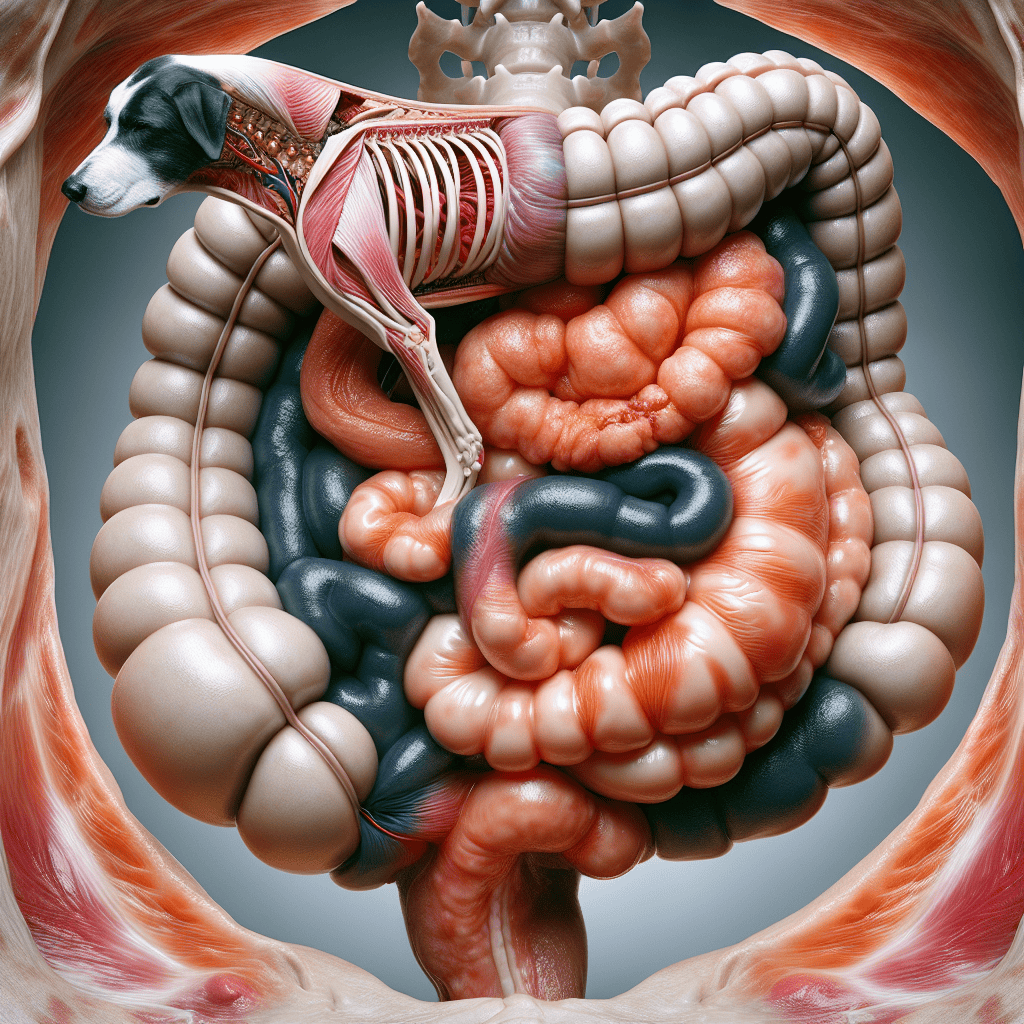

Bloat, scientifically known as Gastric Dilatation-Volvulus (GDV), is a serious and potentially life-threatening condition that can affect dogs. It occurs when the stomach fills up with gas, causing it to flip or rotate on itself, leading to a restricted blood supply and tissue death. Understanding the causes and risk factors associated with GDV is essential for dog owners to recognize and prevent this condition.
Gastric Dilatation-Volvulus (GDV), commonly known as dog bloat, involves the twisting of the stomach, which compromises the blood vessels supplying it. This twisting results in the inability to deliver oxygen and nutrients to the stomach tissue, leading to tissue death.
Several factors have been identified as increasing the risk of GDV in dogs. These include:
Understanding the risk factors associated with GDV can help dog owners take necessary precautions to minimize the chances of their furry companions developing this serious condition. In the next section, we will explore preventive measures that can be taken to reduce the risk of bloat in dogs.
Taking preventive measures is key to protecting your furry friend from the risks associated with gastric dilatation-volvulus (GDV). By implementing proper dietary considerations and making certain lifestyle changes, you can significantly reduce the likelihood of your dog developing bloat.
Feeding habits play a crucial role in preventing bloat in dogs. Here are some dietary considerations to keep in mind:
In addition to dietary considerations, certain lifestyle changes can contribute to the prevention of bloat in dogs:
By implementing these preventive measures in your dog’s routine, you can greatly reduce the risk of them developing GDV. However, it’s important to remember that these measures are not foolproof, and if you suspect any symptoms of bloat, it’s crucial to seek prompt veterinary attention. For a comprehensive guide on recognizing the signs of bloat, refer to our section on dog bloat symptoms.
In certain cases, surgical intervention, such as gastropexy, may be recommended to prevent both initial and recurrent GDV (AKC Canine Health Foundation). For more information on treatment options for GDV, refer to our section on dog bloat surgery.
It is crucial for dog owners to be able to recognize the signs of gastric dilatation-volvulus (GDV), also known as dog bloat, in order to seek prompt veterinary attention. GDV is a life-threatening condition that occurs when the stomach fills up with gas and twists or rotates on itself, compromising blood flow and leading to tissue death (Preventive Vet).
The symptoms of GDV can manifest suddenly and worsen rapidly. It’s important to be aware of the following signs:
Abdominal pain: Dogs may exhibit signs of discomfort or abdominal distress. They may appear restless, pacing, or unable to find a comfortable position.
Panting: Excessive panting or rapid breathing can be a sign of GDV. Dogs may struggle to catch their breath or exhibit shallow breathing.
Abdominal distension: The stomach becomes visibly enlarged and may appear swollen or bloated. This can be a significant indicator of GDV.
Weakness and collapse: Dogs may appear weak, lethargic, or may even collapse due to the compromised blood flow and lack of oxygen to their vital organs.
Nonproductive vomiting or retching: Dogs may attempt to vomit or retch without producing any vomit. This is often a distressing sign and should not be ignored.
Ptyalism: Excessive drooling or hypersalivation is a common symptom of GDV. Dogs may have difficulty swallowing due to the twisting and enlargement of the stomach.
If you notice any of these signs in your dog, it is essential to seek immediate veterinary attention. Time is of the essence when dealing with GDV, and prompt treatment can greatly increase the chances of a successful outcome.
The severity of GDV can escalate rapidly, and delay in seeking veterinary care can be life-threatening for your dog. Quick action is crucial to stabilize your dog’s condition and prevent further complications.
Upon arrival at the veterinary clinic, the veterinarian will perform a thorough physical examination, which may include assessing vital signs such as heart and respiratory rates, pulse quality, and capillary refill times. Abdominal distension and other clinical signs will also be evaluated (ACVS).
Veterinary treatment for GDV typically involves a combination of stabilization measures, diagnostic tests, and surgical intervention. The exact treatment plan will depend on the severity of the condition and the overall health of the dog. For more information on treatment options for GDV, refer to the section on treatment options for GDV.
Remember, recognizing the signs of GDV and seeking immediate veterinary attention can significantly improve the chances of a positive outcome for your dog. Stay vigilant, and if you suspect your dog may be experiencing GDV, act quickly to ensure their well-being.
When it comes to treating gastric dilatation-volvulus (GDV) in dogs, prompt veterinary intervention is crucial. GDV is a life-threatening condition that requires immediate medical attention. Treatment options for GDV typically involve surgical intervention and postoperative care.
Surgical intervention is often necessary to treat GDV effectively. The primary goal of the surgery is to decompress the stomach, untwist it if necessary, and evaluate the overall condition of the organs. During the procedure, the veterinarian will also assess the viability of the stomach tissue and address any potential complications.
In severe cases, when the stomach tissue is damaged or necrotic, the surgeon may need to remove the affected portion of the stomach. This procedure is known as a partial gastrectomy. Additionally, if the spleen is affected, it may also be evaluated and, if necessary, surgically addressed.
The cost of GDV surgery can vary depending on factors such as the veterinarian’s expertise, location, and additional treatments required. On average, GDV surgery can range from $2,000 to $3,500. It’s essential to discuss the potential costs and treatment plan with your veterinarian.
Postoperative care plays a crucial role in the recovery process after GDV surgery. The dog will require close monitoring and supportive care to ensure a successful recovery. The specific postoperative care instructions may vary depending on the individual dog’s condition and the surgical approach taken.
During the recovery period, pain management is a priority. The veterinarian may prescribe pain medication to keep the dog comfortable. Antibiotics might also be prescribed to prevent infection.
Feeding and hydration are gradually reintroduced following surgery. The veterinarian will provide guidance on the appropriate diet and feeding schedule for the dog during the recovery process. It’s important to follow these instructions carefully to ensure optimal healing.
Close monitoring of the dog’s behavior, appetite, and bowel movements is essential during the recovery period. Any concerning symptoms, such as vomiting, diarrhea, or lack of improvement, should be reported to the veterinarian immediately.
In some cases, additional treatments or follow-up appointments may be necessary to monitor the dog’s progress and ensure a successful recovery. It’s crucial to attend these appointments and follow any additional recommendations provided by the veterinarian.
GDV surgery can be a life-saving procedure, but it’s important to note that prevention is always better than treatment. In certain high-risk breeds, such as Great Danes, Standard Poodles, and Saint Bernards, preventive gastropexy surgery may be recommended. This elective procedure involves surgically attaching the stomach to the abdominal wall, reducing the risk of GDV. Prophylactic gastropexy can also be performed at the time of spay or neuter, especially in high-risk breeds, to prevent the twisting of the stomach.
By understanding the treatment options available and the importance of postoperative care, dog owners can take the necessary steps to ensure their furry companions receive the best possible care when facing GDV. Remember, if you suspect your dog may be experiencing GDV, seek veterinary attention immediately to increase the chances of a successful outcome.
Certain dog breeds are more prone to developing gastric dilatation volvulus (GDV), also known as bloat. Understanding the breeds that are at a higher risk can help dog owners take necessary precautions and seek appropriate veterinary care. Let’s explore the breeds prone to bloat and the surgical prevention options available for high-risk breeds.
To minimize the risk of GDV in high-risk breeds, veterinarians may recommend a preventive surgical procedure called prophylactic gastropexy. This procedure involves attaching the stomach to the body wall, preventing it from twisting and reducing the chances of GDV. Prophylactic gastropexy can be performed laparoscopically through two small incisions and is often done at the time of spaying or neutering. It is typically recommended for breeds such as Great Danes, German Shepherds, Bloodhounds, Irish Setters, Irish Wolfhounds, Standard Poodles, and other susceptible breeds.
By being aware of the breeds prone to GDV and considering preventive surgical options, dog owners can take proactive steps to protect their pets from this serious condition. If you suspect any signs of bloat in your dog, it is essential to seek immediate veterinary attention. For more information on the symptoms and causes of bloat, refer to our section on dog bloat symptoms.