 11
11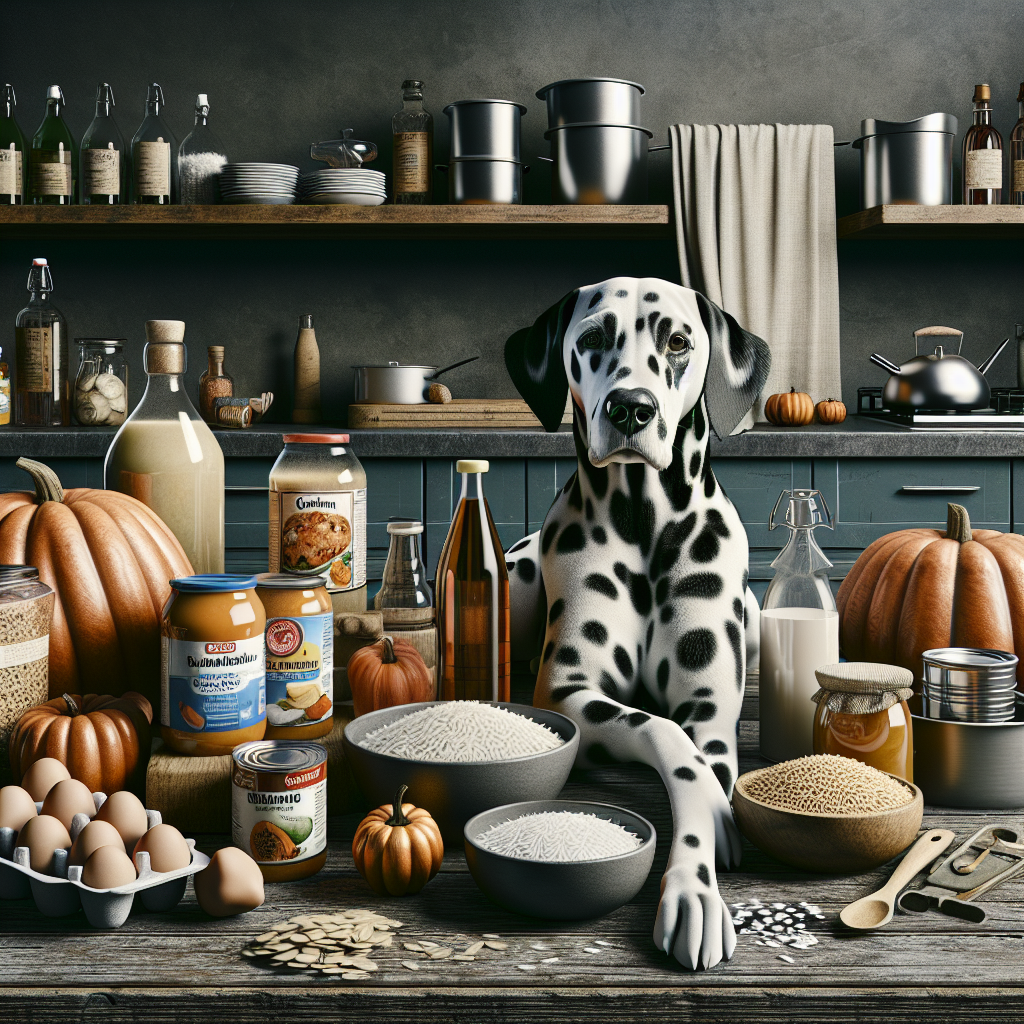

Gastroenteritis in dogs refers to the inflammation of the stomach and small intestine, resulting in symptoms such as sudden vomiting and/or diarrhea, dehydration, and lethargy. This condition can present as acute, which comes on suddenly, or chronic, which occurs over weeks, months, or years.
The symptoms of gastrointestinal upset in dogs may vary depending on the severity of the condition. Common signs of gastroenteritis include:
If your dog is dehydrated and/or lethargic, it indicates a serious situation that requires immediate veterinary attention (PetMD). In some cases, dogs may experience a critical form of enteritis known as Acute Hemorrhagic Diarrhea Syndrome (AHDS), characterized by bloody diarrhea, vomiting, and dehydration. AHDS can be fatal and requires prompt medical intervention.
Gastroenteritis in dogs can be caused by various factors, including:
While the exact cause of gastroenteritis can be difficult to pinpoint in many cases, most instances can be successfully treated with proper veterinary care. It is important to consult a veterinarian for an accurate diagnosis and appropriate treatment for your dog’s specific condition. For more information on the treatment of gastroenteritis in dogs, refer to our article on dog gastroenteritis treatment.
In cases of dog gastroenteritis, it’s crucial to be able to identify when veterinary attention is needed. While many cases of gastrointestinal upset can be managed at home, there are certain signs that indicate the need for professional care. Additionally, it’s important to be aware of the potential dangers of giving human medications to dogs.
If your dog is experiencing gastrointestinal upset, there are certain signs that should prompt you to seek veterinary care. These signs include:
It’s important to note that certain dogs are more susceptible to dehydration and complications from gastrointestinal upset. Puppies, geriatric dogs, and small breeds are at higher risk and should receive prompt veterinary attention if they exhibit any signs of gastrointestinal distress.
When your dog is experiencing gastrointestinal upset, it can be tempting to administer over-the-counter human medications as a quick solution. However, it is crucial to consult a veterinarian before giving any medication to your dog. Many human medications can be dangerous for dogs, and some can even be fatal. Certain active ingredients in human medications, such as acetaminophen (Tylenol) or ibuprofen (Advil), can be toxic to dogs and cause severe adverse reactions.
To ensure the safety and well-being of your dog, always consult with a veterinarian before administering any medications, including over-the-counter options. Your veterinarian can provide appropriate guidance and prescribe medications that are safe and effective for your dog’s specific condition.
By recognizing the signs that require veterinary attention and understanding the potential dangers of giving human medications, you can ensure that your dog receives the appropriate care and avoid any potential complications. Always prioritize the well-being of your furry friend and consult with a veterinarian for guidance and treatment options for dog gastroenteritis.
When it comes to preventing and managing gastrointestinal upset in dogs, there are various measures that can be taken. By implementing preventive measures and utilizing safe home remedies, dog owners can help maintain their canine companion’s digestive health and minimize the occurrence of gastrointestinal issues.
While not every episode of gastrointestinal upset can be prevented, there are steps that dog owners can take to minimize the risk. Some preventive measures include:
In some cases of mild gastrointestinal upset, safe home remedies can help alleviate symptoms and support your dog’s recovery. However, it’s crucial to note that not all remedies are suitable for every dog, and it’s always best to consult with a veterinarian before administering any treatment. Some safe home remedies for gastrointestinal upset in dogs include:
Remember, if your dog’s symptoms persist, worsen, or if they show signs requiring veterinary attention such as persistent vomiting or diarrhea, lethargy, abdominal pain, bloating, or blood in vomit or stool, it is essential to seek veterinary care. Additionally, it’s important to note that many human medications can be dangerous for dogs when they have gastrointestinal upset, so always consult with a veterinarian before administering any medication to your dog (Ethos Veterinary Health).
By implementing preventive measures and utilizing safe home remedies under the guidance of a veterinarian, dog owners can help manage and alleviate gastrointestinal upset in their furry companions.
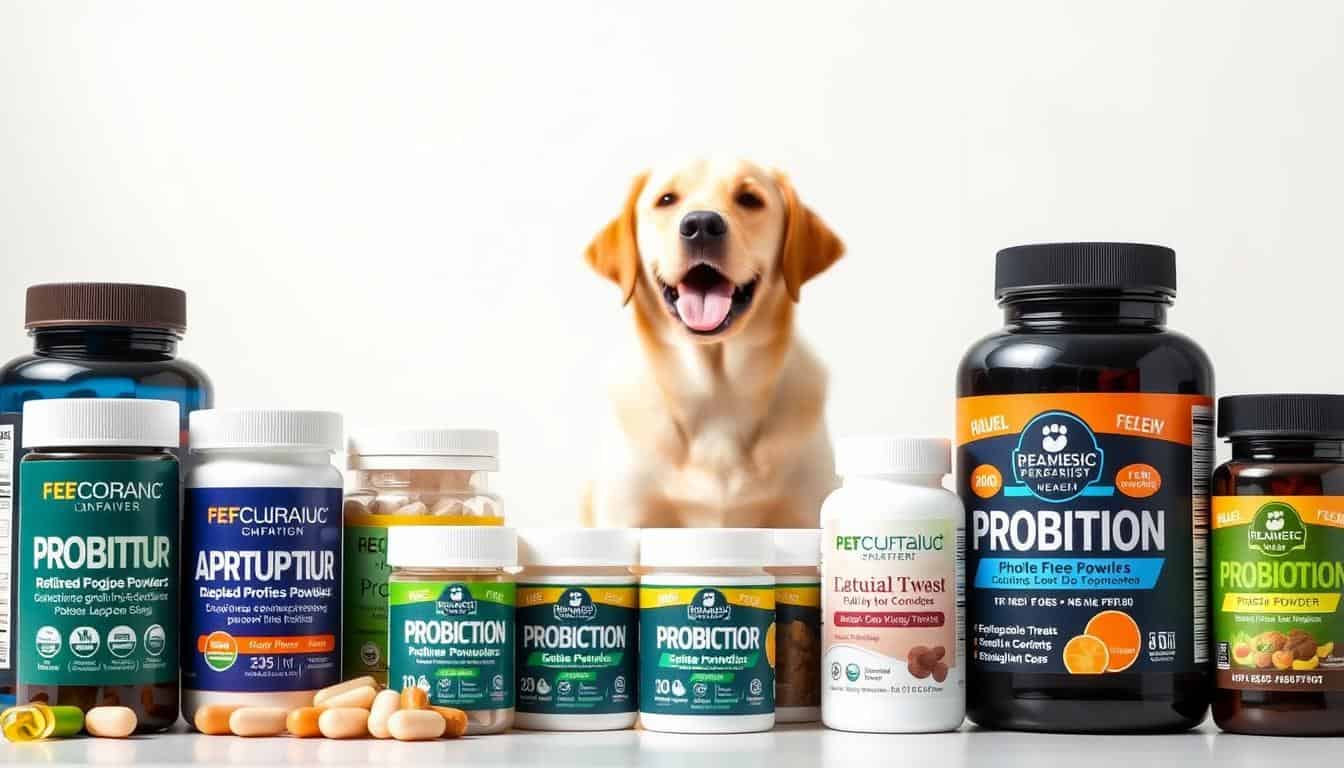
When it comes to managing gastroenteritis in dogs, probiotics play a significant role in supporting their overall health and well-being. Probiotics are beneficial microorganisms that naturally live in the digestive tract of dogs. These organisms help break down food, produce nutrients and vitamins, fight off potential pathogens, strengthen immunity, and interact with the “gut-brain axis” that plays a role in mood (PetMD).
The benefits of probiotics for dogs are numerous. Probiotics can:
Probiotics are particularly useful in managing dog diarrhea caused by stress, sudden dietary changes, bacterial imbalance from antibiotic use, and infections leading to bacterial overgrowth in the gut (PetMD). They can help restore the balance of healthy bacteria in the gut, promoting normal bowel movements and reducing gastrointestinal discomfort.
Certain species of probiotics have been shown to provide specific benefits for dogs. These include:
The specific strain and combination of probiotics may vary depending on the needs of your dog, their health condition, and the recommendation of a veterinarian. It’s important to consult with a veterinary professional to determine the most suitable probiotic supplement for your dog’s individual needs.
Incorporating probiotics into your dog’s routine can help promote a healthy gastrointestinal system and overall well-being. However, it’s essential to introduce probiotics gradually and monitor your dog’s response to ensure they are well-tolerated. Remember to follow the recommended dosage instructions provided by the manufacturer or your veterinarian.
In addition to probiotics, there are other dietary recommendations and specialized diets that can help manage and prevent gastroenteritis in dogs. To learn more, explore our sections on dietary recommendations for gastroenteritis and specialized diets for gastrointestinal health.
When it comes to managing gastroenteritis in dogs, proper nutrition plays a crucial role in supporting their recovery and restoring gastrointestinal health. In this section, we will explore dietary recommendations for dogs with gastroenteritis, including bland diet options and transitioning back to a regular diet.
A bland diet consisting of easily digestible foods can help soothe the digestive system and alleviate symptoms of gastroenteritis in dogs. One common bland diet option is a combination of lean protein, such as skinless chicken or turkey, and white rice. The ratio should be 2 parts protein to 1 part rice, without any added fats, salt, spices, or other additives. This diet should only be fed for a few days to allow the gastrointestinal tract to rest and recover.
Here is an example of a bland diet for dogs with gastroenteritis:
| Food | Ratio |
|---|---|
| Skinless Chicken or Turkey | 2 parts |
| White Rice | 1 part |
It’s important to note that this diet should only be fed for a short period of time and should be gradually transitioned back to the regular diet.
After a few days on a bland diet, it’s time to slowly transition your dog back to their regular diet. Abruptly switching back to the normal diet can potentially upset the digestive system and lead to a recurrence of symptoms. The key is to introduce their regular food gradually, allowing their gastrointestinal tract to adjust.
Start by mixing a small amount of their regular food with the bland diet. Over the course of several days, gradually increase the proportion of regular food while decreasing the amount of the bland diet. Monitor your dog closely during this transition period and watch for any signs of gastrointestinal upset.
If your dog continues to experience digestive issues or has specific dietary needs due to food sensitivities or allergies, consult with your veterinarian. They may recommend a specialized diet, such as a hydrolyzed-protein or novel-protein diet, that can help manage gastroenteritis and promote gastrointestinal health.
It’s important to remember that every dog is unique, and dietary recommendations may vary based on their specific condition, age, and overall health. Consulting with a veterinarian is always recommended to ensure the best approach for managing gastroenteritis and promoting the overall well-being of your furry friend.
In the next section, we will dive into specialized diets for gastrointestinal health, including low-residue diets and fiber-enhanced diets.
When it comes to managing gastroenteritis in dogs, specialized diets can play a crucial role in promoting healing and providing relief. Two types of diets that are commonly recommended for gastrointestinal health are low-residue diets and fiber-enhanced diets.
Low-residue diets are designed to minimize the amount of undigested food passing through the gastrointestinal tract. These diets have high digestibility, meaning that a significant portion of the nutrients is absorbed by the body rather than being eliminated as waste. The protein digestibility in low-residue diets is typically over 87%, while fat and carbohydrate digestibility exceeds 90%.
By speeding up the movement of food through the stomach and easing absorption in a compromised intestine, low-residue diets can help reduce the workload on the digestive system and provide relief for dogs with gastroenteritis. These diets are often recommended during the acute phase of the condition to support healing and recovery.
Fiber-enhanced diets are another option for dogs with gastrointestinal issues. These diets contain a combination of soluble and insoluble fibers to provide a balanced effect. Soluble fibers dissolve in water and form a gel-like substance, which can help regulate bowel movements and promote a healthy gut environment. Insoluble fibers, on the other hand, add bulk to the stool and aid in regular bowel movements.
The inclusion of both soluble and insoluble fibers in a fiber-enhanced diet can help support proper digestion and bowel function. These diets may be particularly beneficial for dogs with chronic gastrointestinal conditions or those prone to constipation or diarrhea.
When considering specialized diets for your dog with gastroenteritis, it’s important to consult with your veterinarian to determine the most appropriate option based on your dog’s specific needs. The duration of the specialized diet and the transition back to a regular diet will depend on the severity of the condition and the rate of recovery. For more information on the treatment and recovery of dog gastroenteritis, visit our article on dog gastroenteritis treatment and dog gastroenteritis recovery time.
By providing your dog with a suitable specialized diet, you can support their digestive health and help alleviate the symptoms associated with gastroenteritis. Remember to follow your veterinarian’s guidance and monitor your dog’s progress closely throughout the dietary management process.