 11
11
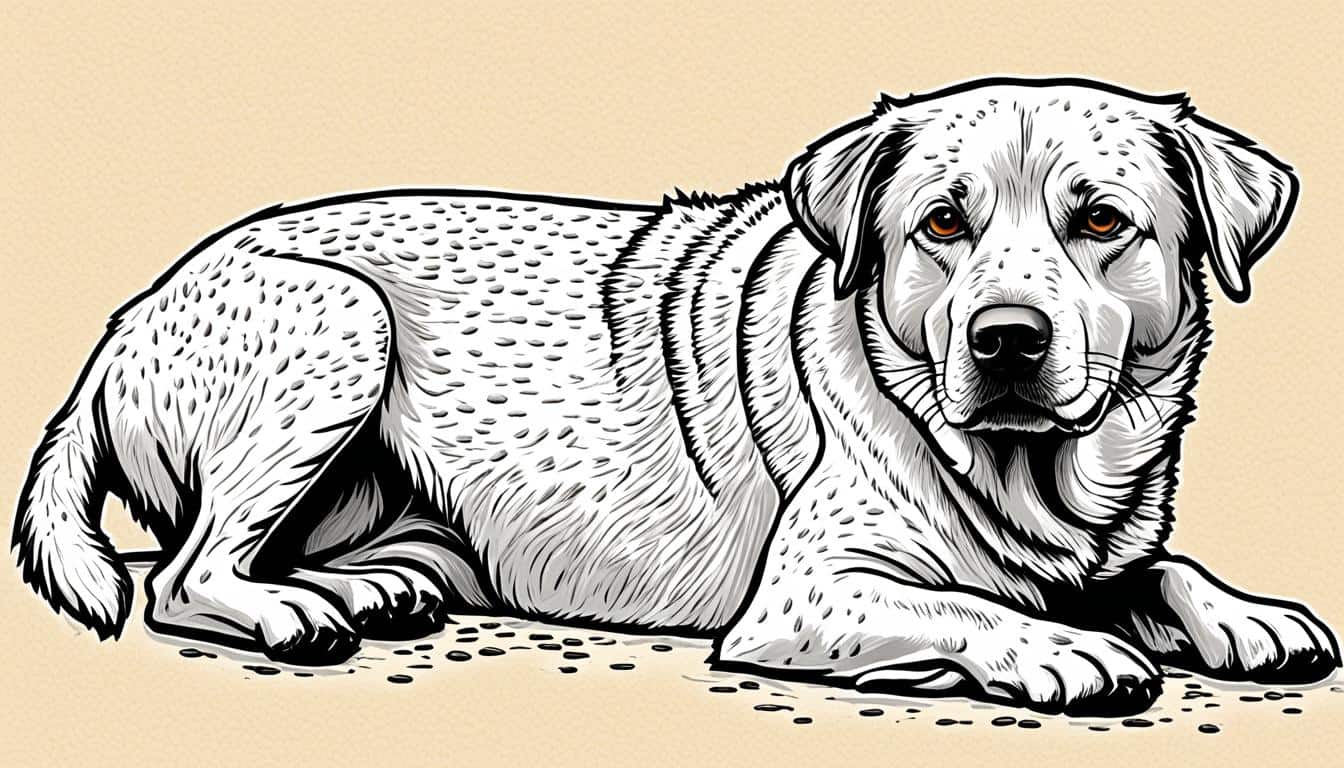
Megaesophagus is a condition that affects the esophagus, the muscular tube responsible for transporting food from the mouth to the stomach in dogs. Understanding the definition and different causes of megaesophagus is essential for dog owners.
Megaesophagus is characterized by an enlarged and weakened esophagus, which impairs its ability to propel food into the stomach. Dogs with megaesophagus may experience difficulty swallowing, excessive salivation, and regurgitation of food (PetMD). Regurgitation, which is the passive expulsion of undigested food from the esophagus, is a common symptom of megaesophagus in dogs.
There are two types of megaesophagus in dogs: congenital and acquired. Congenital megaesophagus is present at birth and is often associated with incomplete nerve development in the esophagus (WebMD). Some breeds have a known genetic marker that causes congenital megaesophagus, including Wire-Haired and Smooth-Haired Fox Terriers, Miniature Schnauzers, Chinese Shar-Peis, and German Shepherds (PetMD).
On the other hand, acquired megaesophagus develops later in a dog’s life, during adulthood or middle age. Approximately 25% of dogs with acquired megaesophagus have an underlying condition called myasthenia gravis, which is a neuromuscular autoimmune disease that disrupts the connection between nerves and muscles, including the esophagus (PetMD).
Differentiating between congenital and acquired megaesophagus is important for understanding the underlying causes and potential treatment options. If you suspect your dog may have megaesophagus, it is crucial to consult with a veterinarian for a proper diagnosis and guidance on managing the condition.
For more information on megaesophagus in puppies, refer to our article on megaesophagus in puppies.
When it comes to identifying and diagnosing megaesophagus in dogs, understanding the common signs and utilizing diagnostic procedures are essential steps. By recognizing the symptoms and conducting appropriate tests, veterinarians can accurately diagnose this condition and develop a suitable treatment plan.
The signs of megaesophagus in dogs can vary, but there are some common symptoms to look out for. These include:
It is important to note that megaesophagus can be congenital (present at birth) or acquired later in life. The signs and severity of the condition can vary based on the underlying cause and whether it is congenital or acquired.
To confirm a diagnosis of megaesophagus in dogs, veterinarians may employ various diagnostic procedures. These tests aim to visualize the esophagus, determine the cause of the condition, and assess its severity. Common diagnostic procedures include:
By utilizing these diagnostic procedures, veterinarians can accurately diagnose megaesophagus in dogs and determine the most appropriate treatment plan. Early detection and intervention can help manage the condition effectively and improve the quality of life for affected dogs.
When it comes to megaesophagus in dogs, certain breeds are more predisposed to developing this condition. Additionally, both genetic and environmental factors can influence the occurrence of megaesophagus in dogs.
While megaesophagus can affect dogs of any breed, there are certain breeds that have a higher likelihood of developing the condition. Some of the breeds known to have a predisposition to congenital megaesophagus include Wire-Haired and Smooth Haired Fox Terriers, Miniature Schnauzers, Chinese Shar-Peis, and German Shepherds (PetMD). However, it’s important to note that megaesophagus can occur in other breeds as well.
Genetics play a significant role in the development of megaesophagus in dogs. In some cases, congenital megaesophagus occurs due to incomplete nerve development in the esophagus, leading to impaired functionality. Certain breeds have a known genetic marker causing congenital megaesophagus.
Environmental factors can also contribute to the development of megaesophagus in dogs. While the exact cause is not always clear, some cases of megaesophagus may be acquired later in life. Acquired megaesophagus is more common in middle-aged or senior dogs and can be caused by various factors, such as myasthenia gravis, an autoimmune disorder that affects the nerve/muscle junction (Dr. Buzby’s ToeGrips for Dogs).
It’s important to note that megaesophagus is more common in dogs than in cats and has been shown to be hereditary in Wire-Haired Fox Terriers and Miniature Schnauzers. Siamese cats may also be predisposed to megaesophagus.
Understanding the breed predispositions and genetic and environmental influences can help dog owners recognize the potential risk factors for megaesophagus. Early detection and proper management are key to ensuring the well-being of dogs affected by this condition.
When it comes to the treatment of megaesophagus in dogs, a multi-modal approach is often necessary to manage the condition effectively. Treatment options for megaesophagus in dogs typically involve supportive care, along with the use of medications and therapies tailored to the individual dog’s needs.
Supportive care plays a crucial role in managing megaesophagus in dogs. The goal is to prevent regurgitation and facilitate the movement of food into the stomach for proper digestion. Some key components of supportive care include:
Elevated Feeding: Raising food and water bowls can help utilize gravity to assist in the eating process. By feeding dogs in an upright position, the risk of regurgitation can be minimized. Elevated feeding stations can be achieved by using specially designed raised feeders or by propping up bowls on stable surfaces.
Bailey Chairs: Bailey Chairs are custom-made chairs that allow dogs to eat in an upright position. By providing dogs with a secure and elevated seating arrangement during mealtime, Bailey Chairs can help promote proper swallowing and digestion. These chairs are especially beneficial for dogs with severe megaesophagus.
Smaller, Frequent Meals: Dividing meals into smaller portions and feeding them more frequently can help prevent overloading the esophagus. This approach reduces the chances of regurgitation and allows for better digestion.
Sleeping Position: Encouraging dogs to sleep with their front end slightly elevated can also aid in reducing regurgitation during sleep. Placing a small pillow or blanket under the dog’s front end can help achieve this position.
In addition to supportive care, medications and therapies can be employed to manage the symptoms associated with megaesophagus. The specific treatment approach may vary depending on the severity of the condition and the response of the individual dog. Some common medications and therapies used for megaesophagus in dogs include:
Sildenafil: Sildenafil is a medication that can help relax the muscles of the esophagus, allowing for improved esophageal function and reduced regurgitation.
Metoclopramide: Metoclopramide is a medication that helps to increase the motility of the gastrointestinal tract. By enhancing the movement of food through the esophagus and into the stomach, metoclopramide can aid in reducing regurgitation.
Cisapride: Cisapride is another medication that promotes motility in the gastrointestinal tract. It can help improve esophageal function and facilitate proper digestion.
Bethanechol: Bethanechol is a medication that helps stimulate the muscles of the gastrointestinal tract, including the esophagus. By enhancing muscle contractions, bethanechol can aid in moving food through the esophagus and into the stomach.
It’s important to note that the use of medications and therapies should be determined by a veterinarian based on the specific needs of the dog. Regular follow-ups and adjustments to the treatment plan may be necessary to ensure optimal management of the condition.
By combining supportive care techniques with appropriate medications and therapies, it is possible to improve the quality of life for dogs with megaesophagus. Working closely with a veterinarian and following their guidance is crucial in developing an effective treatment plan tailored to the individual needs of the dog.
When it comes to managing megaesophagus in dogs, there are several strategies that can help improve their quality of life and minimize complications. Two key areas to focus on are feeding techniques and preventing complications.
Proper feeding techniques play a crucial role in managing megaesophagus in dogs. The goal is to prevent regurgitation and allow food to move into the stomach for digestion. Here are some feeding strategies that can be beneficial:
Preventing complications is another essential aspect of managing megaesophagus in dogs. By taking certain precautions, you can help ensure your dog’s well-being and minimize potential issues. Here are some measures to consider:
By implementing these management strategies, you can help your dog with megaesophagus lead a more comfortable and fulfilling life. It’s important to work closely with your veterinarian to determine the most appropriate feeding techniques and preventive measures for your dog’s specific needs. With proper care and attention, dogs with megaesophagus can enjoy a good quality of life.
When it comes to megaesophagus in dogs, the prognosis and long-term outlook can be challenging. Unfortunately, most pets with megaesophagus have a poor prognosis, whether or not they receive treatment. The leading causes of death in these cases are malnutrition and aspiration pneumonia (VCA Canada). It’s important to be aware of the potential complications and risks associated with this condition.
The long-term outlook for dogs with megaesophagus is generally poor. The condition carries a high potential for complications, including malnutrition and aspiration pneumonia. These complications can significantly impact a dog’s health and well-being.
If megaesophagus is caused by a failure of the nervous system, there is a risk for other neurologic problems to develop. It’s important to work closely with your veterinarian to monitor your dog’s condition and address any potential complications that may arise.
Managing megaesophagus in dogs requires dedication and commitment. Treatment focuses on strategies to help dogs eat and drink with minimal regurgitation. This may involve finding the best food consistency, using elevated feeding stations, and considering feeding tubes in severe cases (Dr. Buzby’s ToeGrips for Dogs).
It’s crucial to prioritize the overall quality of life for dogs with megaesophagus. Regular veterinary check-ups, proper nutrition, and monitoring for signs of complications are essential. While the long-term outlook may be challenging, with appropriate management, some dogs may experience improved esophageal function.
Owners should be prepared for the potential difficulties associated with megaesophagus and work closely with their veterinarian to provide the best possible care for their furry companions. Treatment requires dedication, commitment, and understanding that results may vary (Veterinary Partner).
By staying informed about the complications and risks associated with megaesophagus in dogs, you can work together with your veterinarian to manage the condition and ensure the best possible quality of life for your canine companion. Regular monitoring, proper nutrition, and addressing any potential complications promptly can help improve your dog’s overall well-being.