 11
11

Respiratory distress in cats is a serious condition that requires prompt attention and care. Recognizing the signs of distress is crucial for early intervention and effective treatment. While some clinical signs of respiratory distress in cats may overlap with those in dogs, there are specific signs that are more commonly observed in feline patients.
Cats experiencing respiratory distress may exhibit a range of symptoms that indicate difficulty breathing. These signs can vary in severity and may include:
For a more severe case of respiratory distress, cats may exhibit additional signs such as:
It’s important to note that the severity of the signs and prognosis for survival can vary depending on the underlying cause, financial constraints, and the overall severity of the disease (Boca Midtowne Animal Hospital).
In cats, respiratory distress can be caused by various underlying health conditions. Common triggers include:
Differentiating between these clinical signs and identifying the underlying cause requires a thorough evaluation by a veterinarian. Diagnostic tests, such as X-rays, blood tests, and respiratory fluid analysis, may be necessary to determine the specific cause of respiratory distress in cats. The importance of prompt evaluation cannot be stressed enough, as early intervention can significantly improve outcomes.
By recognizing the signs of respiratory distress in cats and understanding the potential underlying causes, cat owners can seek timely veterinary care and ensure the well-being of their feline companions.
When a cat experiences respiratory distress, it is crucial to identify the underlying causes to provide appropriate treatment. The common triggers for respiratory distress in cats can vary, ranging from viral infections to inflammation and allergies. Understanding these causes is essential for prompt intervention and management.
Cats can develop respiratory diseases in the upper respiratory tract, which can lead to panting. Some common triggers include:
It is important to note that if a cat is experiencing respiratory distress, immediate veterinary attention is necessary. For more information on the symptoms of aspiration pneumonia in cats, refer to our article on aspiration pneumonia in cats symptoms.
In addition to common triggers, several underlying health conditions can contribute to respiratory distress in cats. These conditions may include:
Prompt diagnosis of these underlying health conditions is crucial. Diagnostic tests, such as bloodwork, radiographs, CT scans, ultrasound, bronchoscopy, and airway washing, can provide crucial information about the causes of the cat’s breathing difficulties (Royal Veterinary College).
By understanding the common triggers and underlying health conditions associated with respiratory distress in cats, veterinarians can develop appropriate treatment plans. Identifying the specific cause of respiratory distress is essential for providing targeted care and improving the cat’s overall well-being.
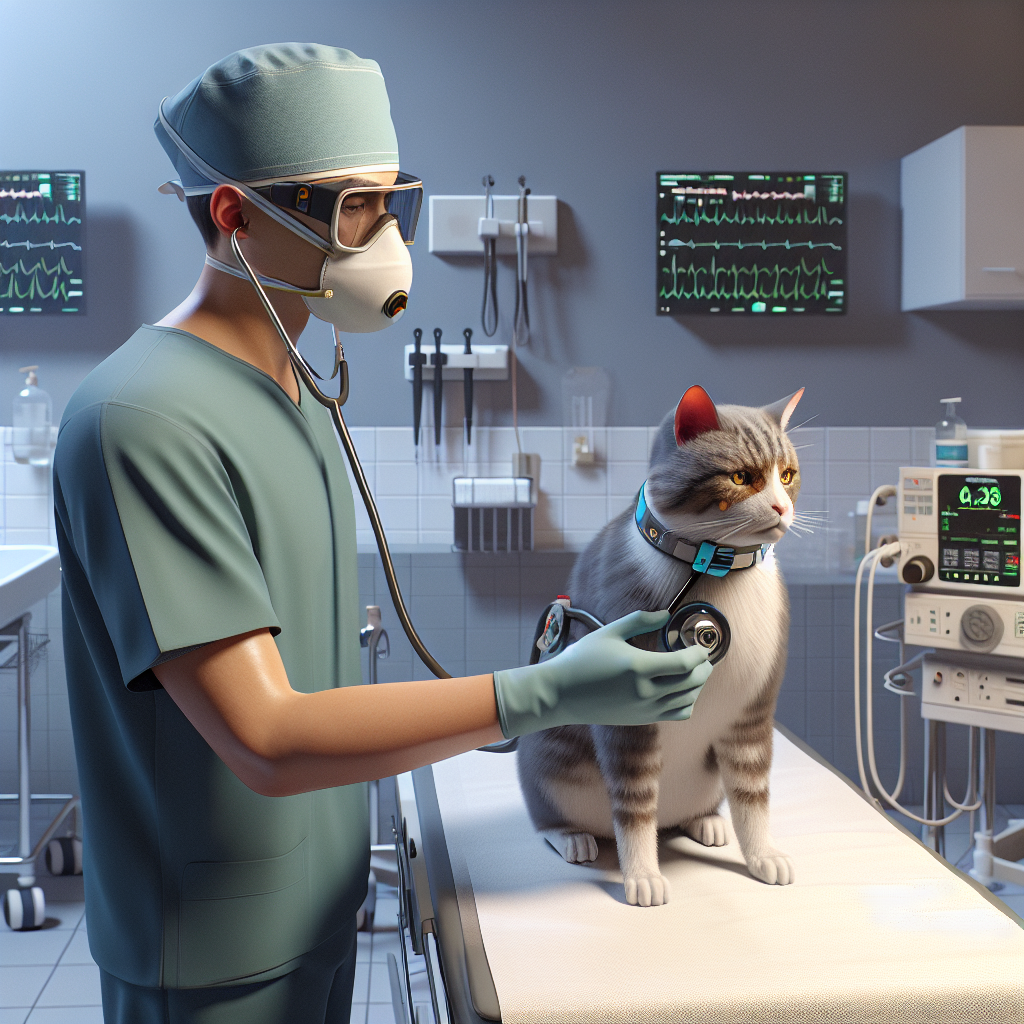
When a cat is exhibiting signs of respiratory distress, prompt diagnosis is crucial to determine the underlying cause and initiate appropriate treatment. Veterinary professionals employ various diagnostic tests to evaluate cats experiencing respiratory distress. Understanding these diagnostic methods and the importance of timely evaluation can help provide the best care for your feline companion.
In cases of respiratory distress, veterinary professionals may utilize several diagnostic tests to assess the cat’s condition and identify the underlying cause. These tests may include:
Blood gas analysis: Blood gas analysis is one of the most important diagnostic methods used in veterinary practice for assessing respiratory distress in cats. It provides valuable information about the cat’s oxygen and carbon dioxide levels, helping to evaluate the severity of the respiratory problem (PetMD).
Laboratory tests: Additional laboratory tests, such as blood tests and serum biochemical tests, may be performed to assess organ function and identify any underlying systemic conditions that could be contributing to the respiratory distress.
Imaging: Chest X-rays and thoracic ultrasonography are commonly employed to evaluate the cat’s respiratory system. X-rays can help identify abnormalities in the lungs, heart, and chest cavity, while thoracic ultrasonography can assist in narrowing down the list of potential diagnoses by detecting air or fluid in the thoracic cavity.
Additional tests: Depending on the suspected cause of respiratory distress, veterinary professionals may recommend additional tests such as echocardiography to assess heart function, thoracocentesis to analyze fluid within the chest cavity, or other specialized tests to further investigate specific conditions.
It is crucial to consult a veterinarian who can assess the cat’s symptoms, conduct a thorough physical examination, and recommend the appropriate diagnostic tests based on the specific case.
Timely evaluation is of utmost importance when a cat is experiencing respiratory distress. Acute Respiratory Distress Syndrome (ARDS) in cats, for example, has an almost 100 percent death rate, highlighting the urgency of early intervention (PetMD). Rapid diagnosis allows for the timely initiation of appropriate treatment, increasing the chances of a positive outcome.
Early evaluation not only helps identify the underlying cause of respiratory distress but also enables prompt intervention to alleviate the cat’s discomfort and prevent further complications. The sooner the cat receives appropriate care, the better the chances of a successful recovery.
If you notice signs of respiratory distress in your cat, such as difficulty breathing, rapid breathing, or coughing, it is crucial to seek veterinary attention promptly. Your veterinarian will perform a comprehensive evaluation, including diagnostic tests, to determine the cause of the distress and develop an effective treatment plan. For more information on the symptoms of respiratory distress in cats, refer to our article on aspiration pneumonia in cats symptoms.
Remember, your veterinarian is the best resource for diagnosing and treating respiratory distress in your cat. Prompt evaluation and appropriate diagnostic testing are essential for ensuring the well-being and health of your feline companion.
When a cat is experiencing respiratory distress, prompt treatment is essential to alleviate their discomfort and prevent further complications. The treatment approach for respiratory distress in cats typically involves emergency care and a combination of medications and therapies.
Animals with severe, life-threatening respiratory distress may require immediate emergency procedures or therapies. These can include:
Supplemental Oxygen: Cats in distress may require supplemental oxygen to help them breathe more comfortably. This can be administered through various methods, such as an oxygen mask or an oxygen cage.
Thoracocentesis: In cases where respiratory compromise is caused by a pleural effusion or pneumothorax (accumulation of fluid or air in the chest cavity), thoracocentesis may be performed. This procedure involves draining the fluid or air from around the lungs, providing rapid relief to the patient (VIN).
Tracheostomy: In rare cases where there is severe upper airway obstruction, a tracheostomy may be necessary. This involves creating a surgical opening in the trachea to bypass the obstruction and allow the cat to breathe.
Ventilator Support: For severe cases that require assistance with breathing, ventilator support may be provided. This involves the use of a mechanical ventilator to deliver oxygen and assist with the cat’s respiratory efforts.
In addition to emergency care, cats with respiratory distress may require medications and therapies to address the underlying cause of the distress and provide symptomatic relief. The specific medications and therapies used will depend on the diagnosis and the severity of the condition. Some common approaches include:
Antibiotics: If a bacterial infection is suspected or diagnosed, antibiotics may be prescribed to help combat the infection and prevent further complications.
Pain Killers: Cats experiencing respiratory distress may be in discomfort or pain. Pain killers or analgesics may be administered to alleviate their discomfort and improve their overall well-being.
Fluid Therapy: In cases where dehydration is present or the cat requires supportive care, fluid therapy may be administered intravenously to maintain hydration and support organ function.
Corticosteroids: Corticosteroids may be prescribed to reduce inflammation and swelling in the airways, helping to improve breathing and alleviate respiratory distress.
Treatment for respiratory distress in cats should always be carried out under the guidance of a veterinarian. They will determine the most appropriate course of action based on the cat’s specific condition and needs. It is important to follow the veterinarian’s instructions and attend follow-up appointments to monitor the cat’s progress and adjust the treatment plan if necessary.
For information on managing and recovering from respiratory distress, please refer to the section on Management and Recovery.
When it comes to managing and aiding in the recovery of cats experiencing respiratory distress, supportive care plays a vital role. Additionally, following post-treatment guidelines is crucial for the well-being and complete recovery of the feline patient.
Supportive care is an essential component of managing respiratory distress in cats. This type of care focuses on providing comfort, monitoring, and addressing the underlying cause of the distress. It may include the following:
Supplemental Oxygen: Cats with severe respiratory distress may require supplemental oxygen to ensure adequate oxygenation. This can be administered through various methods, including oxygen cages or nasal cannulas.
Fluid Therapy: Fluid therapy may be administered to maintain hydration and correct any imbalances caused by the underlying condition or treatment. The veterinarian will determine the appropriate fluid type and rate based on the individual needs of the cat.
Medications: Depending on the underlying cause of the respiratory distress, medications such as antibiotics, painkillers, bronchodilators, and corticosteroids may be prescribed. These medications help alleviate symptoms, reduce inflammation, manage infections, and support the recovery process.
Monitoring: Regular monitoring of the cat’s vital signs, such as heart rate, respiratory rate, and oxygen saturation levels, is crucial. This allows for early detection of any changes or complications, enabling prompt intervention.
Following the veterinarian’s post-treatment guidelines is vital for the cat’s full recovery and long-term well-being. These guidelines may include:
Medication Administration: Administering prescribed medications as directed by the veterinarian is crucial. It’s important to follow the recommended dosage, frequency, and duration of treatment to ensure the medication’s effectiveness.
Rest and Restricted Activity: Providing a quiet and calm environment for the cat to rest and recover is essential. Restricting physical activity helps prevent further stress on the respiratory system, allowing it to heal.
Nutrition: Ensuring the cat receives a balanced diet that meets its nutritional needs is important for recovery. The veterinarian may recommend specific dietary modifications or supplements to support the cat’s overall health.
Follow-up Appointments: Regular follow-up appointments with the veterinarian are necessary to monitor the cat’s progress, adjust the treatment plan if needed, and address any concerns that may arise.
By providing appropriate supportive care and adhering to post-treatment guidelines, the cat has a better chance of recovering from respiratory distress and returning to a healthy and comfortable life.
It is important to note that the management and recovery process can vary depending on the underlying cause of the respiratory distress. Always consult with a veterinarian for accurate diagnosis, tailored treatment plans, and guidance specific to your cat’s condition. For more information on aspiration pneumonia in cats, including symptoms and recovery, you can visit our article on aspiration pneumonia recovery in cats.
When it comes to the respiratory health of your feline companion, taking preventive measures can play a crucial role in maintaining their well-being. Two important aspects of preventive care for cats are stress management and the importance of early recognition of respiratory distress.
Stress can have a significant impact on the overall health of cats. It is important to create a calm and comfortable environment for them. Cats may hide when they are stressed, in pain, avoiding intimidating family members, or seeking a quiet place to deliver kittens. Pregnant cats may also hide PetMD. By understanding and addressing the potential stressors in your cat’s environment, you can help reduce their overall stress levels and promote better respiratory health.
To effectively manage stress in cats, consider the following measures:
Recognizing the early signs of respiratory distress in cats is essential for prompt intervention and treatment. Being vigilant and observant can help identify potential issues before they escalate into serious health concerns. Here are some signs to watch out for:
Weight loss: Sudden or unexplained weight loss in cats can be indicative of various underlying health conditions, such as poor nutrition, diabetes, hyperthyroidism, kidney disease, dental disease, or even cancer PetMD. Keeping track of your cat’s weight and monitoring any significant changes can aid in the early detection of respiratory distress.
Breathing problems: Wheezing, panting, or coughing in cats may indicate serious heart or lung diseases, asthma, or even cancer PetMD. If you notice any abnormal breathing patterns or respiratory distress, it is important to seek veterinary attention promptly.
Seizures: Seizures in cats can range from small facial spasms to full-body convulsions and may be caused by epilepsy, brain diseases or tumors, or toxins PetMD. If your cat experiences seizures, it is crucial to consult with a veterinarian to determine the underlying cause and provide appropriate treatment.
Unusual panting: Cats do not normally pant, and panting in cats may indicate stress, serious heart or lung disease, or overheating PetMD. If you observe your cat panting excessively or in situations where panting is uncommon, it is advisable to seek veterinary advice.
Being proactive in recognizing these signs and seeking veterinary care promptly can help prevent respiratory distress from progressing into more serious conditions. Regular check-ups with your veterinarian are also important for monitoring your cat’s overall health and identifying any potential respiratory issues early on.
By implementing stress management techniques and being attentive to your cat’s well-being, you can take preventive measures to promote their respiratory health and ensure a happy and healthy life.