 11
11

Cats and other pets can get COVID-19 from close contact with sick people. The virus that causes COVID-19 can infect both people and animals. Usually, pets show mild symptoms that we can treat at home. Yet, it’s very important for people with COVID-19 to keep away from their pets.
Washing hands often is key. Also, find someone else to look after your pets if you’re sick. If a pet gets the virus, it’s important to follow what the vet says. This may include keeping them away from others. Remember, don’t use cleaning products on pets or make them wear masks.
The COVID-19 pandemic changed our lives in many ways. This includes how we see our pets’ health. Pets, like cats, can catch the virus from close contact with infected people. Many worry about catching coronavirus from cats because we are so close to our pets.
COVID-19 is a disease caused by the novel coronavirus SARS-CoV-2, primarily spreading via respiratory droplets among humans. However, it is crucial to understand the dynamics of pet and human COVID risk assessment.
Studies show pets rarely pass the virus to humans. Yet, it can happen. Pets at higher risk live with someone who has COVID-19. It’s important for people at higher risk, like older adults, to be very clean. Washing hands well and not hugging pets too much can help keep you safe.
We should also think about how diseases can move between animals and people. Understanding how our health links with our pets’ health is key.
SARS-CoV-2 transmission knowledge is key to stopping COVID-19 spread. This virus is a part of the coronavirus family. It started as a disease that moved from animals to humans. This shows us how viruses can jump between different species.
SARS-CoV-2 causes COVID-19. It spread mainly when people are close to each other. When someone infected talks, coughs, or sneezes, they can pass it on. This has made pet owners worry. They fear they might give the virus to their cats or other pets.
There are a few ways SARS-CoV-2 spreads. Being close to an infected person is one major way. Another is when someone touches a surface with the virus and then touches their face. This also raises concerns about pets getting sick. We must take steps to prevent spread.
Here, we compare different ways it can spread:
| Transmission Pathway | Human-to-Human | Human-to-Pet |
|---|---|---|
| Respiratory Droplets | High Risk | Moderate Risk |
| Close Personal Contact | High Risk | Moderate Risk |
| Contaminated Surfaces | Moderate Risk | Low Risk |
Cats can catch COVID-19 from people, especially if they’re close for a long time. Though it’s rare, cats getting sick from humans is possible. There have been cases around the world showing this can happen.
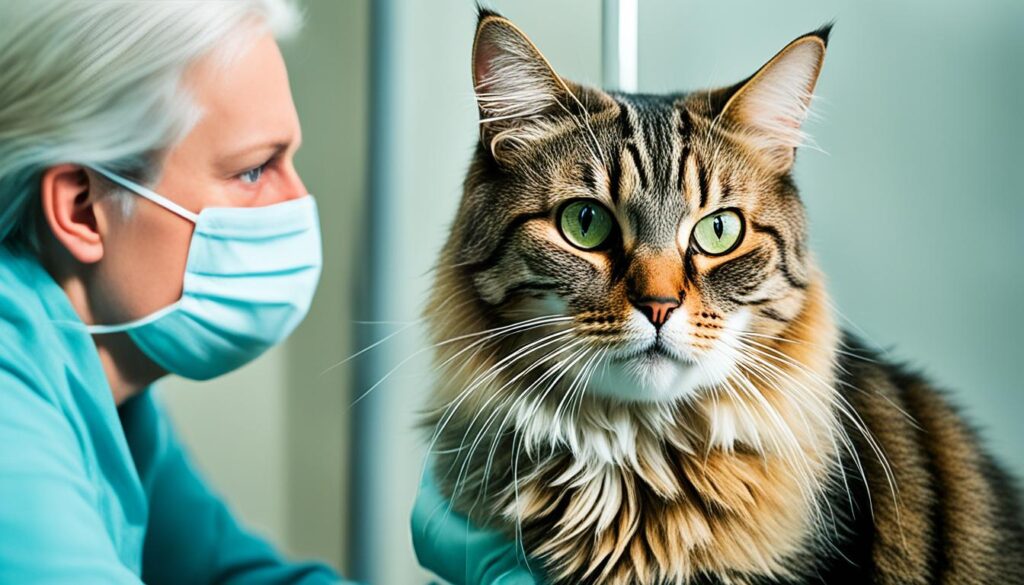
Pet owners and vets are worried about this. People with COVID-19 should stay away from their pets if they can. This helps stop the virus from spreading. Also, washing up often and cleaning your pet’s space can lower the risk.
Being careful protects your pets and stops the virus from going back and forth. Keeping up with studies on can cats get COVID-19 from a human and staying safe is key.
Though not very common, cats around the world have caught coronavirus. These cases usually happen after cats meet infected people. This has made scientists interested in the cats and human COVID connection.
To know how often cats get infected, watching and studying them is key. It’s rare, but cats can pass the virus to each other or to humans. Most of the time, cats get COVID-19 from living with someone who has it.
Below, a table shows how many cases were found in cats and if humans were involved:
| Country | Reported Cases | Known Source of Infection |
|---|---|---|
| United States | Several | Close contact with infected owners |
| UK | Few | Associated with COVID-19 positive households |
| Netherlands | Some | Exposure to infected humans |
Scientists keep studying how cats deal with coronavirus. Knowing more about the cats and human COVID connection helps. We need it to keep our pets and their humans safe.
Knowing what signs to look for in cats with COVID-19 is key. Most cats do not show symptoms or have mild signs. Still, it’s good to know what could happen.
COVID-19 signs in cats can be different. Common symptoms in cats include:
Keep an eye on your cat for these signs. Remember, such symptoms can mean other illnesses, too. Always seek a vet’s advice for a true diagnosis.
If your cat shows any COVID-19 signs, see a vet right away. This is vital if your cat was near someone with COVID. A vet visit can guide you on testing or treatment. Quick steps help isolate the cat if needed, keeping everyone safe.
Knowing about feline coronavirus symptoms lets owners act fast. This protects their pets and their health too.
Pet owners need to act early to protect their cats from COVID-19. Keeping things clean and managing where pets go are key. These steps help stop cats from catching the virus.
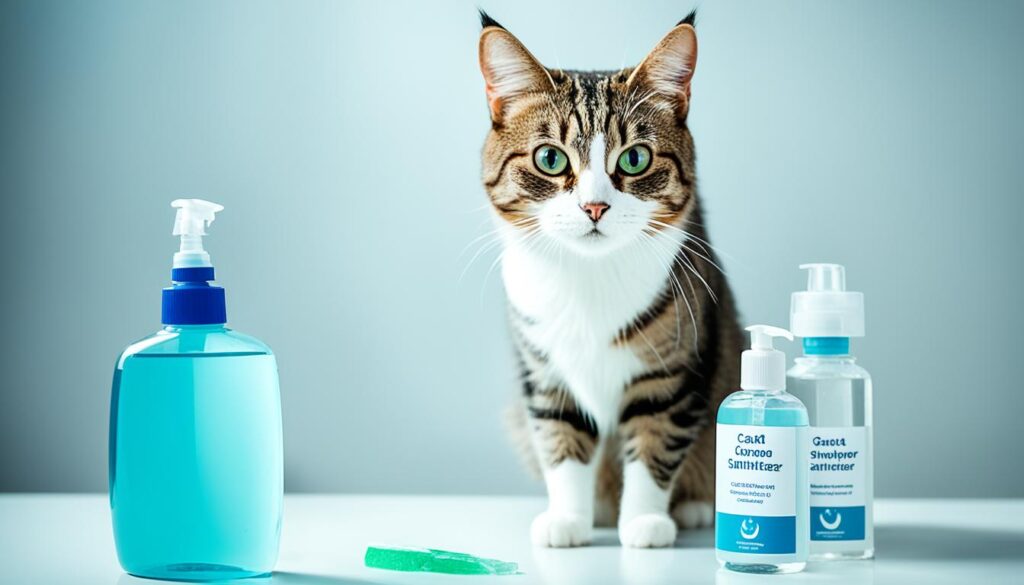
Cat owners should keep clean to protect their pets. Washing hands with soap before and after touching cats is crucial. It’s best to avoid cuddling or face licking, especially when sick.
Clean surfaces your pet touches often. Make sure to use cleaners that are safe for pets. This will help keep your pet from getting sick.
Keeping cats inside is important to limit their virus exposure. Avoid letting them out as much as possible. When outside trips are needed, keep cats in safe areas or on a leash.
Watch for COVID-19 symptoms in everyone at home. If someone is sick, keep them away from your pets right away.
If a pet owner gets COVID-19, someone else should care for the pets. Staying consistent with these actions will reduce feline COVID-19 risk greatly.
COVID-19 testing in cats is not common. But, it’s needed when they show symptoms. Especially if they’ve been near someone with COVID-19. To check for the virus, vets take samples from the nose, throat, or bottom. They use PCR tests to find the virus.
Vets are key in spotting coronavirus in cats. They look at symptoms and decide if a test is needed. This depends on if the cat was near the virus. Though not always done, testing is vital for animals that might be sick.
In deciding on testing, vets consider its pros and cons. Testing helps us know how the virus spreads among pets. It also helps in giving the right care and keeping sick pets away from others.
In short, careful checks for symptoms and possible contact are crucial. With accurate COVID-19 tests, vets can guide pet owners well. This ensures pets and their families stay safe and healthy.
Knowing if cats can give COVID-19 to other animals is key. While the risk exists, it’s still quite low.
Research has shown that different animals can catch COVID from each other, but it doesn’t happen often. Studies look at a variety of animals to see if the virus can jump between species. So, the question of do cats spread COVID-19 shows it’s rare, but can happen.
Recent studies point out that farm animals, like minks, have gotten sick from their human caretakers. In zoos, there have been cases showing that animals can catch COVID, especially when they’re close to each other.
| Species | Infection Incidents | Transmission Source |
|---|---|---|
| Farmed Minks | High | Human Handlers |
| Zoo Animals | Moderate | Close Contact with Infected |
| Domestic Pets | Low | Prolonged Exposure |
If a cat owner gets COVID-19, they must be very careful. They should stay away from their pets as much as they can. They also need to keep things clean and get help with pet care from others living with them.
Owners who are sick should keep away from their pets if they can. They shouldn’t pet, hug, or share food with them while sick. Another person in the home should take care of the pet if possible.
When they must be near their pets, owners should wear a mask and wash hands a lot. They also need to clean the pet’s living areas well. Doing these things helps keep pets safe and stops the virus from spreading at home.
Yes, cats can catch COVID-19 when they are close to sick people.
The risk is there but rare. It mostly happens when there’s a lot of close contact.
It’s not very common. Yet, there are cases around the world from cats near infected people.
Cats might cough, sneeze, or feel tired. Some don’t show signs at all.
Call a vet if your cat seems sick, especially if it was near someone with COVID-19.
Clean your hands often and keep your pets inside. This helps keep them away from the virus.
Vets don’t suggest testing all cats. But they might test those that are sick and were with sick owners.
Cats can pass the virus to other animals, but it’s rare. Some zoo animals got sick this way.
Sick owners should stay away from their pets. Wear a mask and clean well if you must be near them.
Someone else should care for the pet if possible.