 11
11

Cats are not immune to health issues despite grooming themselves often. They might throw up for various reasons, like eating something harmful or hard to digest. Things like string, infections, diabetes, or furballs can upset their stomachs. You can tell if your cat feels sick if they drool, try to vomit, or seem thirsty a lot. If they keep throwing up, they can get dehydrated quickly. So, it’s important to notice these signs early on. Collecting a vomit sample and getting help from a vet right away is a good step.
To stop vomiting, you can take steps like using flea treatments to avoid tapeworms. Feeding your cat food made just for them is also smart. Regularly brushing them helps prevent hairballs. And, make sure they can’t get to things they shouldn’t eat.
Cats can get sick with many common illnesses. Feline Lower Urinary Tract Disease (FLUTD) is one such sickness. It’s seen a lot in cats who go to the vet. Symptoms include needing to drink and pee more, blood in urine, feeling sad, and throwing up.
To avoid FLUTD and other diseases, give your cat fresh water and balanced food. This may include canned food. Also, keep stress low and the litter box clean.
Fleas are another big problem for cats. They cause lots of scratching, licking, hair loss, and can make a cat very weak. There are treatments for fleas that include pills and skin applications. Keeping fleas away is key to stop these problems.
Cats often get tapeworms too. You might see bits of these worms in their poop or where they sleep. Getting rid of them includes a medication called praziquantel. It’s also important to keep fleas away and deworm your cat regularly.
In summary, looking after your cat well can prevent common sicknesses. This means visiting your vet often, feeding them right, keeping them calm, and controlling fleas. Knowing about these sicknesses and how to stop them can help your cat live a happier life.
It’s important to catch signs of cat sickness early. This can make a big difference in getting the right vet care fast. Cat sickness shows in many ways. Look for changes in how they look, act, their energy, eating habits, and more.
A sick cat may look different. You might see signs like them being dehydrated, losing weight, or their fur looking bad. Watching for these signs and getting help when you see something wrong is key.
Cats act differently when they’re not feeling well. They could become more aggressive or pull away from you. Their energy might also go up and down. This is especially true with health issues like hyperthyroidism.
Big changes in how much a cat eats or drinks are warning signs. It could mean they have a health problem. If you see these kinds of changes, it’s time to look closer.
If a cat’s bathroom habits change, it could mean they’re sick. Things like going more often or having a hard time can point to issues. Catching these signs early can help fix the problem faster.
Problems with breathing or their eyes show something serious might be happening. Signs include eye discharge, the eyes looking cloudy, and breathing hard. These are reasons to get help right away.
Cats hide when they’re sick because of their wild instincts. They were both hunters and the hunted. So, we might not know they’re sick until it’s serious. It’s important to take your cat to the vet regularly. Vets can notice small health changes that might be big problems.
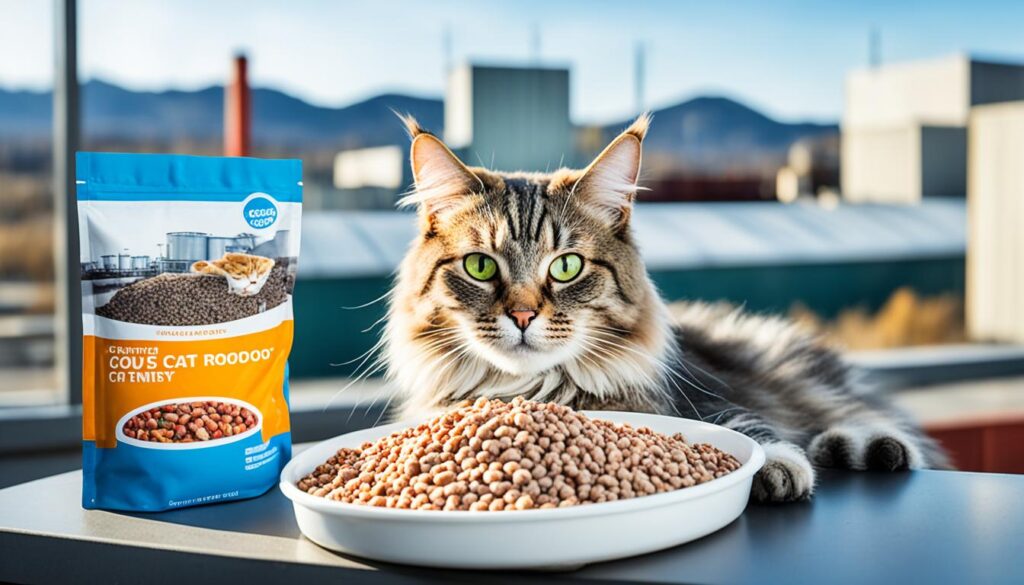
Many things can make cats sick, like disease, hurt, birth defects, or stress. Being a careful pet owner can help stop big cat health problems. Watching your cat closely and taking good care of them is key.
Knowing why cats get sick helps us care for them better. We can make plans for *cat illness treatment* and prevention. This helps our cats live happy, healthy lives.
Knowing why cats get sick and how to stop it is key. Cats can get sick in many ways. But we can lower the risks if we know the causes and prevent them.
Fleas can give cats tapeworms, making them throw up and lose weight. Using flea control and worm medicine helps a lot. This way, your cat’s risk of getting worms goes down.
Germs can make cats very sick with diseases like feline parvovirus. Shots help prevent these illnesses. Going to the vet often for shots helps keep cats safe from these dangers.
Cats can get very sick from poisons in plants or cleaners. Throwing up badly is one sign they’re sick. It’s important to keep harmful things away from cats to keep them safe.
Going to the vet often and getting shots on time are big steps. They help avoid big health issues in cats. By being careful, cat owners help their pets stay happy and healthy.
Feline Lower Urinary Tract Disease (FLUTD) affects many cats. It causes them pain and worry. Knowing the symptoms of cat sickness linked to FLUTD helps catch it early and treat it.
FLUTD’s symptoms include increased thirst and trouble peeing. Cats may also have bloody urine and show pain or sadness. If a cat can’t pee, it’s an emergency that needs quick cat vet care.
It’s important to prevent FLUTD to keep your cat healthy. Make sure they always have clean water to drink. It’s also good to talk to a vet about what food is best. Giving your cat small meals often can help, too.
To stop FLUTD, there are steps to take:
Vomiting in cats is a widespread issue. It can come from many causes. Knowing these causes and the right treatments is crucial for your cat’s health.
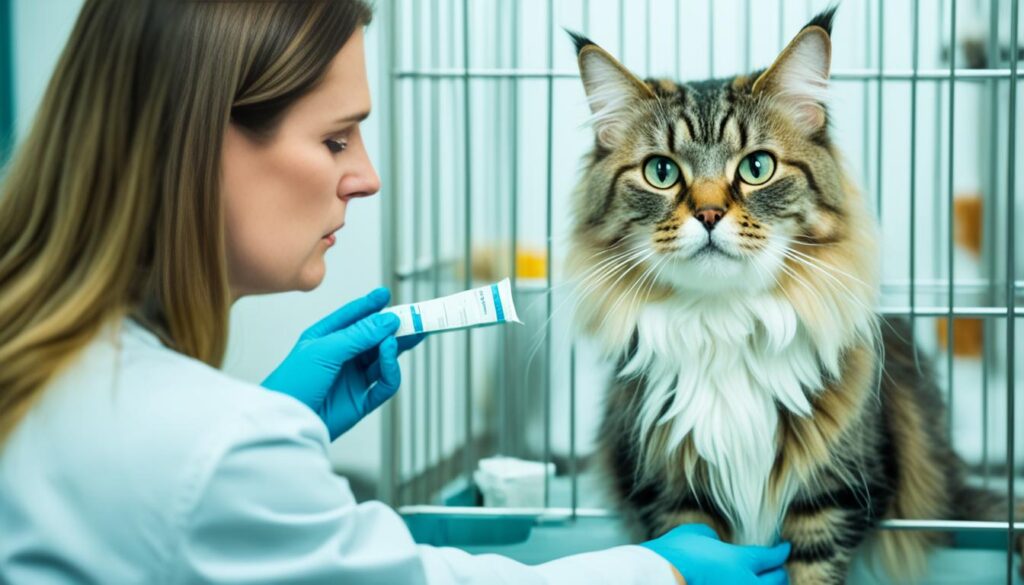
Many things can make cats throw up. These include:
Figuring out the exact reason is key to treating sickness in cats.
The treatment depends on the cause of vomiting:
Quick action is needed to stop vomiting from causing dehydration or worse. A vet can help you figure out the best way to treat your cat’s sickness.
Fleas make cats uncomfortable and can cause more problems. Issues like tapeworms and infections can happen. Knowing when your cat has fleas helps keep them healthy.
Stop cat diseases by fighting fleas. Here’s how:
Always control fleas to keep your cat healthy. Keeping your cat inside helps. So does clean living and using flea medicine.
Tapeworms in cats are common and need quick action to treat. They’re often caught from fleas when cats clean themselves. These parasites lead to health problems in cats.
Cats get tapeworms by swallowing fleas with tapeworm larvae during grooming. Inside the cat, these larvae grow into adult tapeworms. This causes health issues.
Cats with tapeworms might vomit, lose weight for no reason, and have small, rice-like segments in their waste or near their back end. Noticing these signs early can help treat the cat faster and better.
Tapeworms can also be risky for people, especially kids. To prevent them, keep things clean and control fleas well. Make sure to deworm regularly and clean litter boxes well.
| Prevention Measure | Details |
|---|---|
| Flea Control | Regular check-ups and treatments to eliminate fleas. |
| Regular Deworming | Usage of medications like praziquantel to treat and prevent tapeworm infestations. |
| Litter Box Sanitation | Frequent cleaning to minimize the risk of infection. |
Knowing how to spot the signs and treat cat illness help prevent diseases. This keeps cats healthy and happy.
Regular vet visits are key for your cat’s health. Cats often hide how they feel. So, routine checkups are vital for finding problems early. They let vets give each cat a full health check. This is essential for keeping them healthy before problems start.
Finding illness early is crucial for cats. Vets can spot small changes in health during regular visits. This helps stop small issues from getting worse. Early action and treatment can be taken.
Regular checkups monitor your cat’s health. They include shots, dental checks, and looking at weight, coat, and eating. Keeping up with these checkups means your cat gets needed shots and care. This helps avoid common illnesses and keeps them healthy.
| Aspect | Benefits |
|---|---|
| Early Detection | Identifies potential health issues early, allowing for effective treatment. |
| Routine Checkups | Monitors overall well-being, including weight and dental health. |
| Preventive Care | Ensures up-to-date vaccinations and preventive treatments. |
Understanding cat sickness, spotting symptoms, and taking preventive steps are vital for good cat care. Cats hide their illness due to their survival instinct. This makes it even more vital for owners to be alert and informed. By knowing about common cat diseases and how to treat them, owners can help their pets live healthier lives.
Regular vet visits are crucial for a cat’s health. These check-ups help find health problems early. Since cats hide their pain, early detection is key. Also, vet visits allow for necessary shots and care. This leads to a happier life for the cat.
Being ahead of cat health issues makes a big difference. Owners who are prepared and watchful are better at managing pet health. This improves their pets’ overall wellbeing. In brief, knowing more about cat diseases and acting fast are important. They help ensure cats have a long, healthy life.
Cats may get sick due to parasites, germs, and toxic things they eat. They also get stressed by their environment. It’s important to know why they get sick to keep them healthy.
Cats often face illnesses like FLUTD, flea issues, and tapeworms. Spotting and stopping these early is very helpful.
Sick cats show signs like looking different, acting odd, or eating less. You might notice litter box issues or breathing problems, too.
Keep cats healthy with vet checks, shots, good food, and flea control. Also, keep their living space calm. This stops sickness early.
FLUTD comes from issues like crystals in their urine, bladder stones, or infections. Key signs include increased thirst and painful peeing. Go to the vet right away for this.
Stop vomiting by grooming them often, giving them the right food, and keeping fleas away. Keep harmful items away. See a vet if the vomiting doesn’t stop.
Flea problems make cats scratch a lot, lose hair, and get flea dirt on them. In bad cases, they might get anemia. Use medicine and clean up to stop fleas.
Cats get tapeworms from swallowing fleas that have them. Signs include vomiting, getting thin, and worm bits in their stool. Use medicine to treat them, and keep fleas away to stop them.
Vet visits catch health problems early. They check your cat’s health, update shots, and give preventive care. This keeps your cat happy and healthy.
If your cat vomits a lot, see a vet fast. Take some vomit to show the vet. Make sure they drink water and follow the vet’s advice.
Look for signs of tapeworms like vomiting, thinness, and worm bits in waste. Use medicine for treatment. Keep fleas away and deworm regularly to prevent them.