 11
11

Pet owners often worry if their cats can catch STDs, especially unspayed ones that go outside. Cats can get diseases that are somewhat like human STDs. These include viral and bacterial infections. They can make cats very sick. They can also cause problems for kittens born to sick mothers.
Understanding how STDs affect cats is key. It’s important to spot the signs of these diseases early. This way, you can keep your cats both happy and healthy.
Now, let’s explore which STDs cats can get. We’ll look at their symptoms and how to stop them.
STDs in cats are infections that can spread through mating or close contact. These diseases can harm a cat’s health a lot. Knowing about them is key for keeping cats safe and healthy.
Some may wonder, do cats get STDs? Yes, they do. These are infections passed mostly through sexual contact or close moments among cats. STDs in cats include both viruses and bacteria. They can cause a range of health issues, from mild to very serious.
There are a few STDs in cats that are quite common. Each one has different symptoms and needs its own treatment:
| Infection | Pathogen | Symptoms |
|---|---|---|
| Feline Immunodeficiency Virus (FIV) | Virus | Fever, anemia, dental diseases |
| Feline Leukemia Virus (FeLV) | Virus | Immunosuppression, secondary infections |
| Chlamydia | Bacterium | Respiratory issues, conjunctivitis |
| Feline Herpesvirus 1 | Virus | Upper respiratory infections, eye ulcers |
Knowing about these common STDs in cats helps owners. They can do a lot to keep their pets healthy and safe.
The feline immunodeficiency virus is like human HIV. It greatly affects cat’s immune systems. Understanding its transmission, recognizing symptoms, and knowing treatment options are key for FIV-positive cats.
FIV mainly spreads through bites from fights. Sometimes, it goes from mother to kitten. Cats that fight a lot, especially outside, face a higher risk of getting FIV.
Catching FIV signs early helps manage it. Look out for fever, anemia, and dental issues. FIV also shows as repeated infections and tiredness in cats.
There’s no FIV cure, but treatments help. Medications and vet visits support their health. This makes life better for FIV cats.
| Aspect | Details |
|---|---|
| FIV Transmission | Bite wounds during fights, less commonly from mother to kittens |
| FIV Symptoms | Fever, anemia, dental disease, recurring infections |
| FIV Treatment | Supportive therapy, medications, regular veterinary check-ups |
The Feline leukemia virus worries cat owners a lot. It’s severe and common. This virus mainly hurts cats by weakening their immune systems. This makes them get sick easily. It’s one of the top reasons cats die, so knowing about FeLV in cats is key for quick spotting and care.
FeLV spreads mostly through spit. Cats get it when they clean each other or share bowls. Getting bitten is another way cats catch FeLV. Knowing how FeLV spreads is vital to keep your cats safe.
Finding cat leukemia signs can be hard. Look out for less weight, less red blood cells, fever, and no energy. If you see these, see a vet quick for FeLV in cats. Getting help fast and supportive care can make sick cats live better.
In short, the Feline leukemia virus is a big worry in cat health. It’s very bad and spreads easy. Watching for cat leukemia signs and preventing it are key. They really help protect your cats from this bad virus.
Is it true that cats can catch STDs like people? This question has a complex answer. It is based on 
Many people hear feline STD myths, causing confusion. Some think cats can get human STDs, but that’s not true.
Cats do face their own diseases from mating or being close to each other.
Outdoor or wild cats get STDs more often. They live where they meet more dangers and sick animals.
Fixing pets helps avoid many diseases. Feline STD facts show caring for our pets lowers their risk.
Feline Herpesvirus 1 (FHV-1) is a common virus in cats. It mainly affects their upper respiratory system. Knowing how it spreads and its signs is key to caring for sick cats.
Cat herpes spreads mostly by touching fluids like saliva. This includes sneezing and sharing bowls or litter boxes. The virus can also live on surfaces, leading to indirect spread.
Cats with herpes might sneeze, have a stuffy nose, or get eye discharge. They might also get eye sores, have a fever, or eat less. Even though there’s no cure, treatments like antiviral meds help. Keeping cats happy and well-fed also makes a big difference.
Chlamydia felis causes Chlamydia in cats. It’s different from the human version. It mainly impacts a cat’s lungs. It spreads from close contact with sick cats. Know the signs and how to treat it to keep cats healthy.
It’s vital to spot feline Chlamydia early. Look for these signs:
To treat Chlamydia in cats, vets use antibiotics. Doxycycline or amoxicillin are common. Always finish the medicine a vet gives to heal completely. Ways to stop it from spreading include:
Brucellosis is not common and comes from bacteria. It’s mainly found in livestock, but can also occur in cats. This disease can be passed to humans and cause serious symptoms in both cats and people.
Catching Brucellosis from cats is rare but can happen. This usually happens through direct touch with the bacteria. It lives in the reproductive parts of animals. Touching infected materials or drinking raw milk are ways people get it. Even though it’s rare, good cleanliness is key when handling Brucellosis in cats. This helps lower the chance of getting the disease.
Signs of Brucellosis in cats include a fever, feeling very tired, and joint pain. These symptoms are like those of other illnesses. Finding out if a cat has Brucellosis often needs lab tests and a vet’s help. Spotting the disease early is crucial. It helps treat the cat better and reduces the risk of passing it to humans.
Let’s explore how STDs spread among cats by examining their behaviors. Mating is a key way STDs pass between cats through feline intimate contact. But, it’s not just about sex.
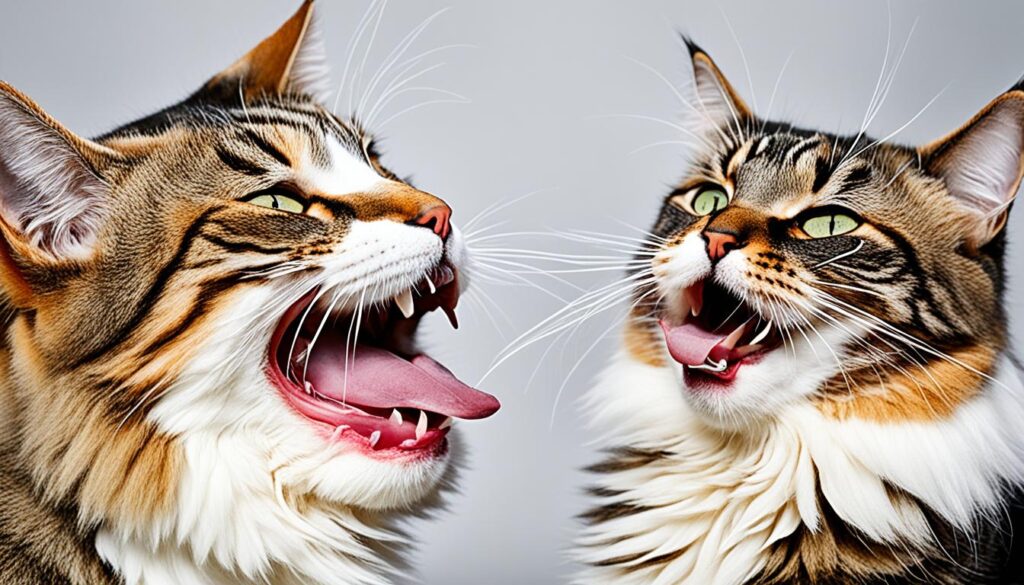
Cats also get diseases from bites and grooming. They do this a lot when they’re together. Getting along or fighting, both can spread diseases. Pregnant cats can even give diseases to their kittens when they’re born. That shows how important it is to watch social behaviors in cats.
Stopping diseases from spreading in cats means looking at how they live together. By controlling breeding and how they interact, we can make a big difference. This helps keep our cat friends healthier.
To keep cats healthy, we need to stop STDs from spreading. This means fixing your pets and keeping up with shots. Also, watch how much they go outside.
Spaying and neutering are vital for cat STD prevention. This stops them from having too many kittens. It also cuts the risk of diseases that spread when they mate.
Cat vaccinations are key to fight off viruses linked to STDs. Shots against FeLV and Feline Herpesvirus 1 keep your cat healthy. They stop these diseases from spreading.
Keeping your cat inside helps prevent cat STDs. Going outside can lead to meeting sick cats. By staying indoors or being watched outside, your cat is much safer.
“The most effective way to prevent feline STDs is through responsible pet ownership and regular veterinary care.”
It’s important to catch the early signs of STDs in cats. This lets you get them the right help fast. Knowing what to look for means you can act quickly.
It can be hard to know if your cat has an STD. The symptoms can look like other cat sicknesses. Here’s what to watch out for:
It’s vital to know when your cat needs a vet for STDs. This helps avoid worse health problems. Make sure you go promptly if:
Taking quick action when you spot STD signs in cats is key. If you’re not sure, always talk to a vet. They’ll know how to help your furry friend stay healthy.
Many pet owners worry about their pets passing diseases to them. Most cat diseases don’t affect humans, though.
Some diseases can move from animals to humans. These are called zoonotic diseases. But cats rarely pass diseases to people.
The chance of getting an STD from a cat is very low. Diseases like Feline Immunodeficiency Virus (FIV) or Feline Leukemia Virus (FeLV) usually don’t cross from cats to humans. Knowing about zoonotic diseases can ease worries about cats and our health.
Even though the risk is low, we should still be careful:
In short, the risk of catching an STD from a cat is small. Good hygiene and taking your cat to the vet are important. These steps protect you and your cat.
This guide has been very detailed on cat STDs. It shows all the diseases that can affect cats. Knowing how cat and human STDs differ is key for owners.
It covers Feline Immunodeficiency Virus (FIV) and Feline Leukemia Virus (FeLV). It also talks about Chlamydia and Feline Herpesvirus 1. Cat caretakers must know about these to keep pets safe.
It’s important to clear up myths about these diseases. Many think grooming and fighting don’t spread them, but they do. Spotting symptoms early and getting help can stop worse health problems.
Caring for your cat means watching their health closely. This helps keep them safe from STDs.
Preventing STDs in cats requires a few steps. Spaying or neutering, vaccines, and less time outside helps a lot. Regular vet visits and smart care keep your cat healthier.
This summary stresses how key it is to know and prevent feline STDs. Being aware and taking preventive actions helps a lot. It makes sure pets have a safe and healthy life.
Yes, cats can get diseases that spread through close contact. These diseases can harm their health a lot.
Cats often get diseases like Feline Immunodeficiency Virus (FIV) and Feline Leukemia Virus (FeLV). Chlamydia and Feline herpesvirus 1 are also common.
FIV mainly comes from bite wounds from fights. It can also come from a mom cat to her kittens.
Cats with FIV may have fever, low blood count, and bad teeth. They show signs of weak immunity.
There’s no cure for FIV. But supportive care helps cats with FIV live better.
FeLV is spread through saliva. This can happen during grooming, sharing bowls, or through bites.
FeLV may cause weak immunity, making cats get sick often. They may also feel weak and lose weight.
Cats can get STDs, but they’re not the same as human STDs. They spread through mating, bites, and grooming.
There are myths, but the truth is cats do get STDs. They spread differently than in humans. Knowing about them can lower risks.
This virus spreads through fluids, like sneezes, and by sharing spaces or items.
It can cause sneezing, eye pains, and not eating. The treatment includes antiviral meds and caring for symptoms.
Chlamydia mostly affects breathing and can cause eye goop, sneezes, and coughing.
Doctors usually give antibiotics. To prevent it, keep sick cats alone and vaccinate healthy ones.
Cat diseases usually don’t spread to humans. But always be clean and see the vet to stay safe.
You can fix cats, keep their shots current, and not let them roam outside to keep them safe.
Look for sneezes, eye problems, being tired, losing weight, and wounds that don’t heal. Seeing a vet fast is key.
Take your cat to the vet right away if they show any illness signs. This helps them get treated fast.