 11
11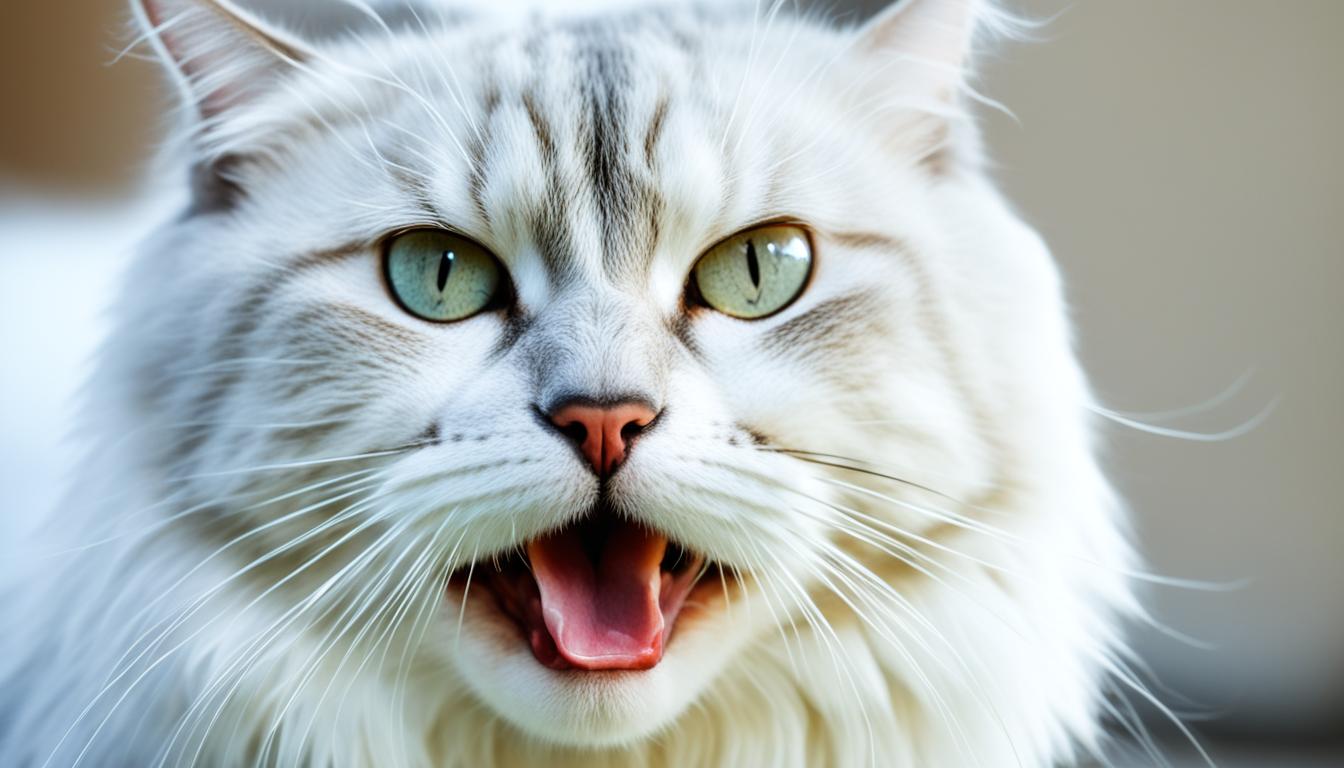

Cats hide their pain and illness because of their natural behaviors. This means owners might not see signs of sickness early. The American Veterinary Medical Association says cats need check-ups twice a year. This is because it’s hard to spot their illness signs. If your cat acts or looks different suddenly, see the vet right away.
It’s key to know how your cat usually acts and looks. This helps find health problems early. If your cat eats or drinks less or more, changes in how its coat looks, uses the litter-box differently, breathes strangely, or has weird eye issues, it’s time for the vet. Catching these signs early can stop serious problems like hepatic lipidosis. This condition is very bad and happens when a cat doesn’t eat for too long.
Cats hide pain well, so owners need to watch out for sickness signs. Noticing these signs early means you can get your cat help fast. This keeps your cat happy and healthy.
A sick cat might look different. They could hunch, move weirdly, or lose weight. Their coat may also change.
Too much grooming suggests skin issues or allergies. Not enough grooming might mean a greasy coat or dandruff. These are signs of sickness in cats.
Cats’ energy levels can show if they’re sick. A cat that is usually lively but then gets very quiet or sleeps a lot could be sick. On the other hand, a cat acting too hyper might have hyperthyroidism. Watching their energy lets us catch sickness early.
When cats eat or drink more or less than usual, it could be serious. These changes might mean diabetes or issues with kidneys or liver. If you see these changes, take your cat to the vet right away. This can stop sickness from getting worse.
It’s important for cat owners to know about common cat diseases. This helps keep their pets healthy and happy. We will look at Diabetes, Cancer, and Feline Immunodeficiency Virus (FIV) in cats.
Diabetes in cats happens when their bodies can’t use insulin well or don’t make enough. Signs include eating more but losing weight, drinking more water, and more trips to the litter box. If not treated, it can lead to serious health problems. Being overweight makes cats more likely to get diabetes, and it’s more common in males and older cats.
Cancer in cats can be in one spot or spread around. It comes from genes and things around them. Some cat breeds and those with lighter fur are more at risk. Finding and treating cancer early is key to helping your cat live a longer, happier life.
FIV in cats is like HIV in people but for cats. It slowly attacks their immune system over years. This makes them get other sicknesses easier. But with the right care, cats with FIV can still have a good quality of life.
| Common Cat Diseases | Symptoms | Risk Factors |
|---|---|---|
| Diabetes in Cats | Increased appetite, thirst, and urination | Obesity, older age, males |
| Cancer in Cats | Localized or diffuse growths, weight loss | Genetics, environment, light-colored fur |
| FIV in Cats | Weakened immune system, secondary infections | Exposure to infected cats, outdoor living |
Understanding cat behavior is key when spotting health issues. Withdrawal, aggression, hyperactivity, and restlessness are signs something might be wrong. Seeing these signs early can lead to quick help from a vet, making your pet better.
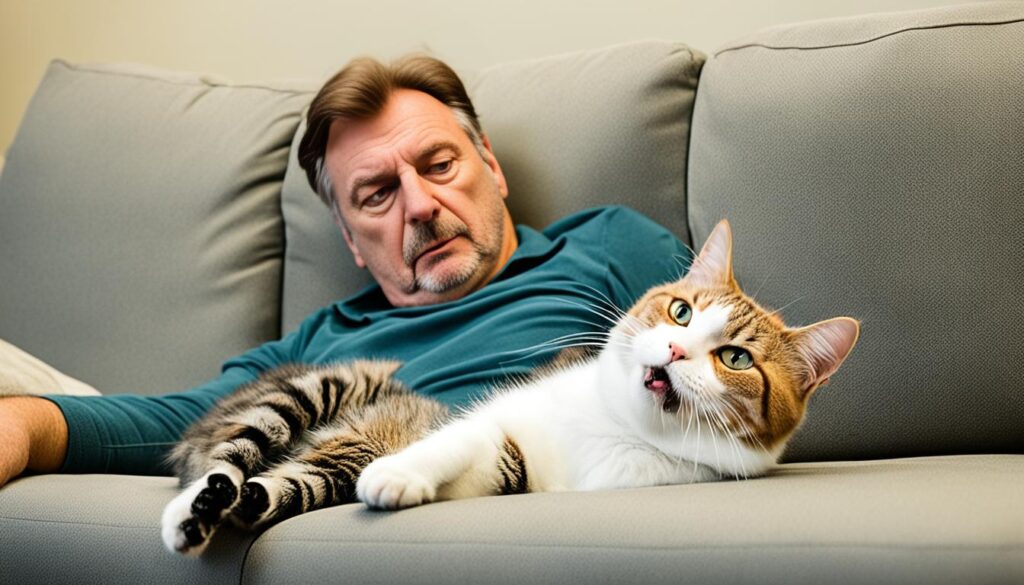
Cats withdrawing or being more aggressive can mean they’re not well. They might hide, not want to be around people, or be grumpy. These changes often mean they’re in discomfort or pain. Watching these behaviors and getting vet advice quickly is important.
On the other hand, things like hyperthyroidism can make cats too active and restless. Watch out for sudden energy spikes, pacing, or inability to relax. Don’t ignore these actions. They’re serious and need a doctor’s check-up.
| Behavioral Change | Potential Health Issue | Action Needed |
|---|---|---|
| Withdrawal | Pain or discomfort | Veterinary examination |
| Aggression | Stress or illness | Consult veterinarian |
| Hyperactivity | Hyperthyroidism | Medical evaluation |
| Restlessness | Underlying health issue | Health check-up |
Diagnostic processes are key in spotting and treating cat health problems. They let vets find the main causes of symptoms. Then, they can choose how best to treat them.
Vets start with a full body check. They look at the cat’s vital signs, coat, eyes, ears, and teeth. They also feel the belly for any strange signs. This step gives important hints about the cat’s health. It also decides what other checks might be needed.
After checking the cat, vets often do lab tests and imaging. These help them see the cat’s health more clearly. Lab tests may show problems like infections or issues with organs. Imaging, like X-rays or ultrasounds, lets vets spot problems not found in the exam.
| Diagnostic Tool | Purpose | Common Findings |
|---|---|---|
| Physical Examination | Initial health assessment | Visible abnormalities, palpable masses, vitals check |
| Blood Work | Analyze internal health | Infections, metabolic disorders, blood cell abnormalities |
| Urinalysis | Examine kidney and bladder function | Urinary tract infections, kidney disease |
| X-rays | Internal imaging | Bone fractures, organ enlargement, tumors |
| Ultrasound | Detailed organ examination | Soft tissue abnormalities, fluid accumulation |
Keeping your cat healthy is very important. It starts with regular visits to the vet. These check-ups can find health problems early. This way, issues can be handled before they get worse. Vets do thorough exams to catch diseases early.
Vaccines are also key for your cat’s health. They protect against many diseases. This means your cat can live a longer, happier life.
Quick treatment of cat health issues is crucial. Vets have the skills and tools to treat many diseases. This helps your cat recover faster and stay healthy.
Here’s a list of important vet services for cats:
| Service | Purpose | Frequency |
|---|---|---|
| Health Examinations | Early detection of diseases | Biannually |
| Vaccinations | Prevent infectious diseases | Annually/As recommended |
| Dental Care | Prevent dental diseases | Annually |
| Parasite Control | Prevent infestations | Regularly |
| Nutritional Advice | Maintain optimal health | As needed |
| Chronic Disease Management | Manage ongoing health conditions | As required |
Veterinary care is all about keeping your cat healthy in many ways. By seeing a vet often, you can catch and manage diseases early. This helps your cat live a longer and happier life.
Treating sick cats at home needs care and the right medicine. It’s important to treat them in a way that doesn’t stress them out. This helps them get better faster.
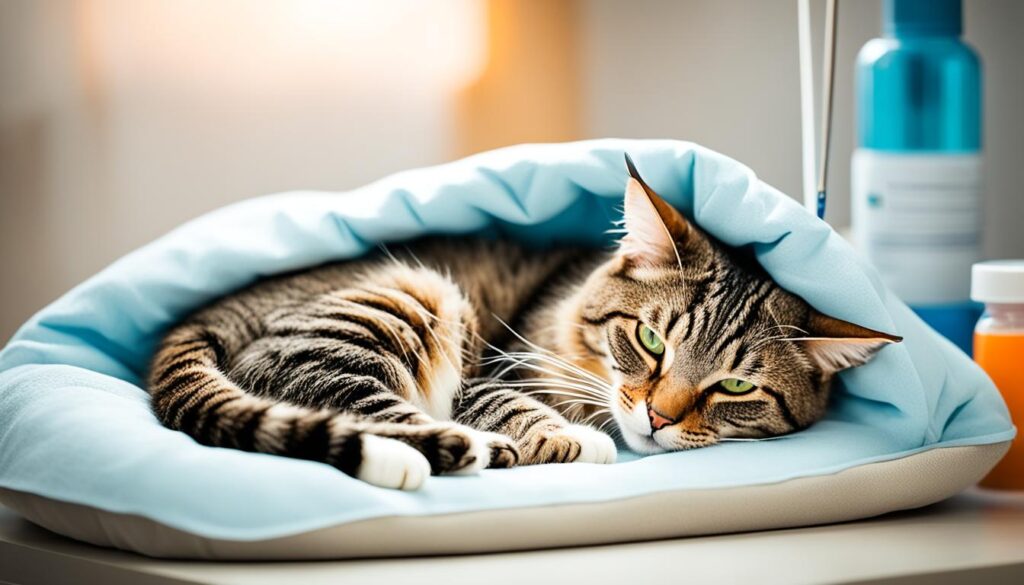
Start by keeping your cat hydrated and feeding them right. Always have fresh water ready. Wet food is good for keeping them hydrated. Make sure your cat has a quiet and comfy place to rest. Cozy bedding helps too.
Watch if your cat eats less or acts differently. Doing this helps you catch any new or worsening issues quickly.
Give your cat medicine exactly as your vet says. Knowing how to give each kind of medicine is key. This makes sure the medicine works and your cat takes it.
| Medication Type | Administration Technique | Tips for Success |
|---|---|---|
| Oral Tablets | Gently place the tablet at the back of the cat’s throat and encourage swallowing. | Use a pill dispenser if needed and offer a treat afterwards. |
| Injections | Administer subcutaneous or intramuscular injections as instructed by your vet. | Lightly pinch the skin to form a tent, and inject at the base. |
| Topical Treatments | Apply the medication directly to the skin, avoiding areas that the cat can lick. | Ensure the area is clean and dry before application. |
Follow these steps and keep in touch with your vet. This helps your cat get better at home. Good care at home is a big part of keeping cats healthy.
Regular check-ups are crucial for your cat’s health. They keep your kitty away from big illnesses. It’s also a way to make sure your cat’s shots are always current.
Vets do a full health check during these visits. They look for any signs of sickness early on. This means your cat gets help before things get worse.
These visits are a chance for you to talk about any changes in your cat. This helps the vet understand your cat better. So, they can give the care that fits just right.
Here we have a table that compares regular to not-so-regular vet visits:
| Aspect | Regular Check-Ups | Irregular Visits |
|---|---|---|
| Health Monitoring | Consistent monitoring, early disease detection | Delayed diagnosis, risk of advanced diseases |
| Vaccinations | Always up-to-date | Potential lapses in protection |
| Preventative Care | Timely interventions, reducing long-term costs | Higher risk of severe health issues |
| Owner-Veterinarian Communication | Regular feedback and advice | Infrequent updates, lack of a continuous care plan |
Making regular vet visits a priority is a big win. It makes your cat’s life better and longer. They stay happy and full of life in your family.
Keeping your cat healthy is key to a long, happy life together. You can avoid many illnesses with the right care. Let’s look at how you can do this.
For cats, eating well and staying active are key. Being too heavy can cause health problems. Feed them food that fits their age and health, and let them play to stay fit.
A safe, fun home helps prevent cat sickness. Cats inside avoid many dangers and diseases. Give them toys, places to scratch, and spots to relax to keep them happy and healthy. Fixing your cat also helps prevent some cancers.
By looking after their diet, play, and home, you can keep your cat well. This means your furry buddy will be happier and healthier for a long time.
It’s very important to know when our cats are sick. We must watch how they act, eat, and look. Seeing a vet regularly helps catch and fix health issues early, improving their chances.
Regular vet visits, good food, and lots of play keep cats healthy. We can prevent many illnesses this way. Making sure they live in a happy, safe home also keeps them well.
We must take care of our cats well to keep them healthy. Getting help fast and sticking with care plans is key. This way, they live longer, happier lives.
Sick cats might look different, feel low on energy, or change their eating habits. They could also want to be alone or act out more. If they seem too active or restless, they might be unwell too. Spotting these early can help catch health issues.
If a cat’s fur gets greasy or flaky, or if it loses weight or seems dehydrated, these could be illness signs. Checking them regularly helps spot troubles early.
A sudden boost in a cat’s energy could mean hyperthyroidism. On the flip side, if they’re extra sleepy or lethargic, they could be facing different health worries. These include infections, diabetes, or other diseases.
A big shift in how much a cat drinks or eats can signal health problems. Being super thirsty or hungry could point to diseases like diabetes. Not wanting to eat can lead to severe issues if not checked.
Owners should watch out for diabetes, cancer, and Feline Immunodeficiency Virus (FIV) in cats. Knowing the signs and risks of these diseases helps keep tabs on your cat’s health.
Cats with diabetes may eat or drink more and pee a lot. Managing it requires diet control, medicine, and vet visits. Staying at a healthy weight is also key.
Cats with cancer might have lumps, lose weight suddenly, act differently, or have trouble breathing. Catching these signs early is important to treat cancer well.
FIV weakens a cat’s immune system, leaving them open to more infections. It develops slowly, causing recurrent sickness, weight loss, and changes in how they act.
If a cat starts to keep to itself more, gets grumpy, or acts too lively, it might not feel well. These behavior changes are clues that your cat might be sick. A vet check-up is a good next step.
Finding out what’s wrong usually starts with a vet checking your cat. Then, lab tests like blood work and pee tests come next. Tools like X-rays or ultrasound help get a better look at your cat’s health.
Regular vet visits help keep your cat healthy. They’re key for finding and treating illnesses as soon as possible. This leads to better health for cats that are sick.
Looking after a sick cat at home means keeping them hydrated and well-fed. They need a calm place to rest. Also, giving them any medicine the vet prescribes is important for getting better.
The American Veterinary Medical Association says cats need check-ups every six months. This is because it’s hard to see when they’re sick. Regular visits help catch and prevent diseases early on.
Keeping cats healthy involves managing diet and exercise, ensuring a safe home, and avoiding diseases. Fixing them can also lower cancer risks.