 11
11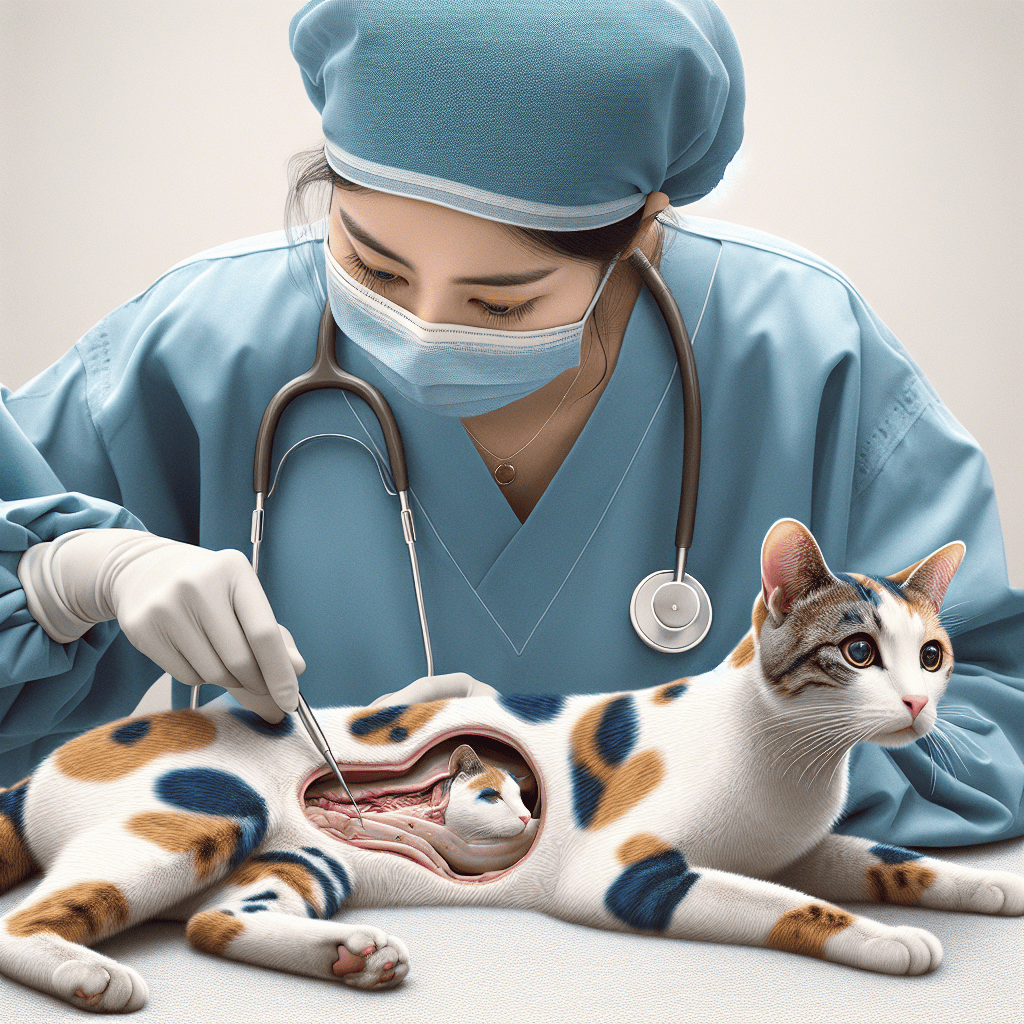

Tracheal collapse in cats is a rare condition that can affect their ability to breathe properly. It primarily affects the part of the trachea located in the neck (cervical trachea) or the lower part located in the chest (intrathoracic trachea) (PetMD). Let’s delve into the definition and rarity of this condition, as well as the age of onset.
Tracheal collapse refers to the narrowing or collapse of the trachea, which is the windpipe that allows air to pass from the nose and mouth to the lungs. In cats, this condition can make breathing difficult, leading to symptoms such as coughing, wheezing, and respiratory distress.
While tracheal collapse is more commonly recognized in dogs, it is also possible in cats. However, it is considered a rare condition within the feline population. The exact prevalence of tracheal collapse in cats is not well-documented, but it is generally acknowledged to be less common than in dogs.
Tracheal collapse in cats can occur at any age, although it is more commonly observed in older cats. According to Wagwalking, this condition may not arise until cats reach six or seven years of age. However, it is important to note that tracheal collapse can affect cats of any age or gender (PetMD).
It is worth mentioning that the symptoms of tracheal collapse in cats can be aggravated by external factors such as excitement, exercise, obesity, exposure to heat, and inhalation of irritants like smoke or dust (Wagwalking). Recognizing the early signs of tracheal collapse is vital for timely diagnosis and appropriate treatment. To learn more about diagnosing this condition, refer to our article on diagnosing windpipe collapse in cats.
Understanding the definition, rarity, and age of onset of tracheal collapse in cats is the first step in managing this condition effectively. In the following sections, we will explore the causes, symptoms, diagnosis, treatment options, and preventive measures associated with tracheal collapse in cats.
Tracheal collapse in cats can be caused by various factors, including congenital and acquired factors. Understanding the underlying causes is essential for managing and treating this condition.
Congenital factors refer to genetic factors that weaken the cartilaginous rings of the trachea from birth. These weakened rings can lead to the collapse of the windpipe in cats. While the exact genetic mechanisms are not fully understood, research suggests that certain breeds may be predisposed to tracheal collapse. Both male and female cats are equally likely to be affected by a collapsed windpipe.
Acquired factors are external influences that can contribute to tracheal collapse in cats. These factors can include:
Identifying the specific cause of tracheal collapse in cats can help guide treatment strategies and preventive measures. If you suspect your cat is experiencing tracheal collapse, it is crucial to consult with a veterinarian for proper diagnosis and treatment options. For more information on diagnosing tracheal collapse in cats, refer to our article on diagnosing windpipe collapse in cats.
When it comes to managing windpipe collapse in cats, recognizing the symptoms and obtaining an accurate diagnosis are essential for effective treatment. This section will discuss how to recognize the symptoms of tracheal collapse in cats and the diagnostic procedures used to confirm the condition.
Symptoms of windpipe collapse in cats may vary depending on the severity of the condition. It’s important to be vigilant and look out for the following signs (VetMed Utah):
If you observe any of these symptoms in your cat, it is crucial to seek immediate veterinary attention. Early recognition and intervention can significantly improve the outcome and quality of life for your feline companion.
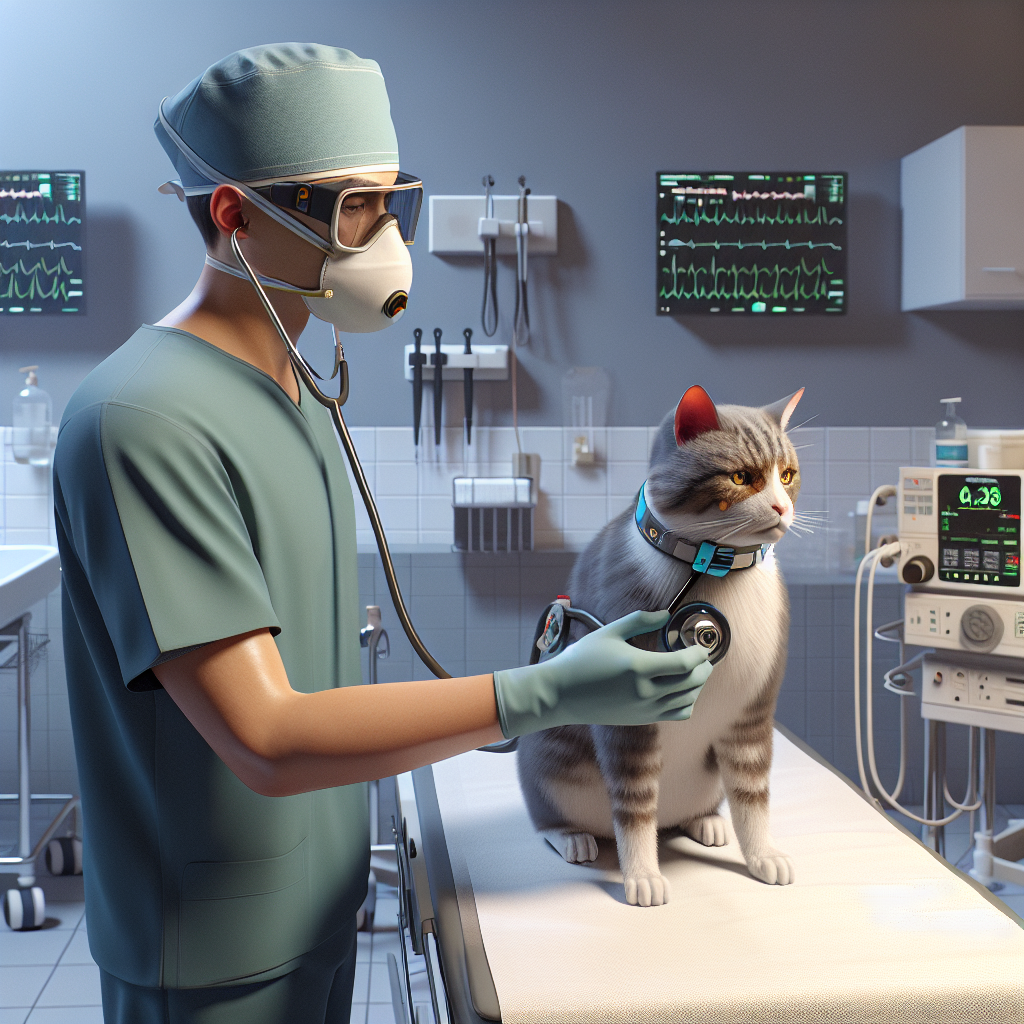
To accurately diagnose windpipe collapse in cats, veterinarians employ a combination of diagnostic procedures. These procedures help assess the severity and extent of the condition. Common diagnostic methods include (VetMed Utah; PetMD):
By combining these diagnostic procedures, veterinarians can accurately diagnose tracheal collapse in cats and develop an appropriate treatment plan. It’s important to follow their guidance and recommendations to ensure the best possible outcome for your feline friend.
For more information on managing windpipe collapse in cats, please refer to the section on treatment options.
When it comes to managing windpipe collapse in cats, there are various treatment options available depending on the severity of the condition. These options include emergency care, medical management, and surgical solutions. The choice of treatment will depend on the individual cat’s symptoms, overall health, and the recommendation of a veterinarian.
In cases where a cat with windpipe collapse is experiencing severe respiratory distress or other life-threatening symptoms, emergency care is necessary. This may involve hospitalization, oxygen therapy, and sedation to help alleviate respiratory problems and address acute discomfort (Wagwalking). It is crucial to seek prompt veterinary attention in these situations to ensure the cat’s stability and provide immediate relief.
Medical management is often the first line of treatment for managing windpipe collapse in cats. This approach focuses on alleviating symptoms and improving the cat’s quality of life. Medications such as cough suppressants, bronchodilators, and anti-inflammatory drugs may be prescribed to help reduce coughing, dilate small airways, and minimize inflammation (PetMD). The specific medications and dosages will be determined by a veterinarian based on the cat’s individual needs and response to treatment.
In some cases, holistic treatments like acupuncture may be recommended as part of a comprehensive medical management plan. These alternative therapies can help reduce inflammation, promote relaxation, and provide additional relief to the cat (VetMed Utah). However, it is important to consult with a qualified veterinarian who specializes in these treatments before pursuing them.
Surgical intervention may be necessary in cases where medical management alone is insufficient, or when there is an obstruction in the windpipe that requires correction. One common surgical procedure for managing windpipe collapse in cats involves the placement of prosthetic rings on the outside of the trachea. This surgical technique, known as tracheal ring prosthesis, has a high success rate, especially in cats under six years old (Wagwalking). However, it is important to note that complications can occur post-surgery, and the decision to proceed with surgery should be made in consultation with a veterinarian.
The choice of treatment option for windpipe collapse in cats will depend on several factors, including the severity of symptoms, the cat’s overall health, and the veterinarian’s recommendation. Regular veterinary check-ups and follow-up appointments are essential for monitoring the cat’s progress and adjusting the treatment plan as needed. By working closely with a veterinarian, cat owners can ensure that their feline companions receive the appropriate treatment and support to manage windpipe collapse effectively.
After undergoing treatment for windpipe collapse in cats, it’s important to provide your feline companion with proper post-surgery care and long-term management to ensure a smooth recovery and minimize the risk of future complications.
Following surgical correction, your cat may require hospitalization for one to two days to monitor their condition and manage pain. It’s crucial to closely follow your veterinarian’s instructions regarding post-surgery care. This may include administering medication, restricting activity, and providing a comfortable and stress-free environment for your cat to recover.
During the initial recovery period, it’s important to limit your cat’s physical activity to prevent further strain on the windpipe. Avoiding activities that may cause excessive excitement or stress can help prevent respiratory crises (PetMD). Regular follow-up visits with your veterinarian are essential to assess your cat’s progress and make any necessary adjustments to their treatment plan.
The prognosis for cats with windpipe collapse is generally positive with proper treatment and long-term management (Wagwalking). Weight reduction plays a crucial role in relieving symptoms and improving the overall quality of life for cats with this condition. A well-planned weight reduction program, along with a healthy diet and gentle exercise, is recommended to help alleviate the strain on the windpipe (PetMD).
Surgical correction, such as the placement of prosthetic rings on the outside of the trachea, is a common procedure used to manage windpipe collapse in cats. This surgery has a high success rate, particularly in cats under six years old. Regular veterinary check-ups are important to monitor the condition, ensure proper healing, and address any potential complications that may arise.
By adhering to the prescribed treatment plan, providing a supportive environment, and maintaining a healthy weight for your cat, you can help manage windpipe collapse and improve their long-term prognosis. Remember to consult with your veterinarian for personalized advice and guidance based on your cat’s specific needs. For more information on preventing windpipe collapse in cats, check out our article on windpipe collapse prevention in cats.
When it comes to managing and preventing the collapse of the windpipe in cats, there are certain steps you can take to promote their overall well-being. By focusing on weight management and avoiding triggers, you can help reduce the risk and severity of windpipe collapse episodes in cats.
Maintaining a healthy weight is crucial in managing windpipe collapse in cats. Excess weight can put additional strain on the trachea, exacerbating the condition and making it more difficult for your cat to breathe. If your feline friend is overweight, it’s important to work with your veterinarian to develop a well-planned weight loss program that includes a combination of a healthy diet and gentle exercise.
A healthy diet for cats should consist of high-quality, balanced meals that provide all the necessary nutrients while minimizing unnecessary additives. Your veterinarian can recommend a suitable diet plan based on your cat’s specific needs and health status. Remember to monitor portion sizes and avoid overfeeding, as this can contribute to weight gain.
Gentle exercise is beneficial for weight management and overall respiratory health. Engage your cat in play sessions that encourage movement and activity. However, it’s important to avoid overexcitement, as excessive exertion can potentially trigger windpipe collapse episodes. Always monitor your cat’s behavior and consult with your veterinarian for appropriate exercise recommendations.
Identifying and avoiding triggers that can worsen windpipe collapse symptoms is another important aspect of prevention. Respiratory irritants, such as smoke, dust, and strong chemical fumes, can irritate the airways and lead to increased respiratory distress in cats with windpipe collapse. Minimize your cat’s exposure to these irritants by ensuring a clean and well-ventilated environment.
Regular veterinary check-ups are essential for early detection and management of windpipe collapse in cats. Your veterinarian can monitor your cat’s condition, provide necessary treatments, and offer guidance on preventative measures. They may also prescribe anti-inflammatory medications to control inflammation and reduce stress on the trachea. However, always consult with your veterinarian before administering any medications to your cat.
By focusing on weight management, avoiding triggers, and maintaining regular veterinary care, you can help reduce the risk and severity of windpipe collapse episodes in cats. Remember to provide a safe and comfortable environment for your feline companion, and consult with your veterinarian for personalized recommendations on managing this condition. For more information on diagnosing windpipe collapse in cats, please visit our article on diagnosing windpipe collapse in cats.