 11
11

Tracheal collapse in cats is an uncommon condition characterized by the weakening and flattening of the supportive cartilage in the trachea, resulting in a narrowed airway. While tracheal collapse is more commonly seen in dogs, it can also occur in cats, albeit rarely (Vetster). This condition typically manifests when cats reach the age of six or seven years.
Tracheal collapse is considered an extremely rare condition in cats, making it challenging to diagnose promptly. Due to its rarity, comprehensive studies on the prevalence and prognosis specific to cats are limited. However, it is believed that the prognosis for cats with tracheal collapse may be similar to that of dogs. Nonetheless, it is crucial to seek immediate veterinary attention if your cat shows signs of distress, trouble breathing, progressively worsening cough, or pale gums.
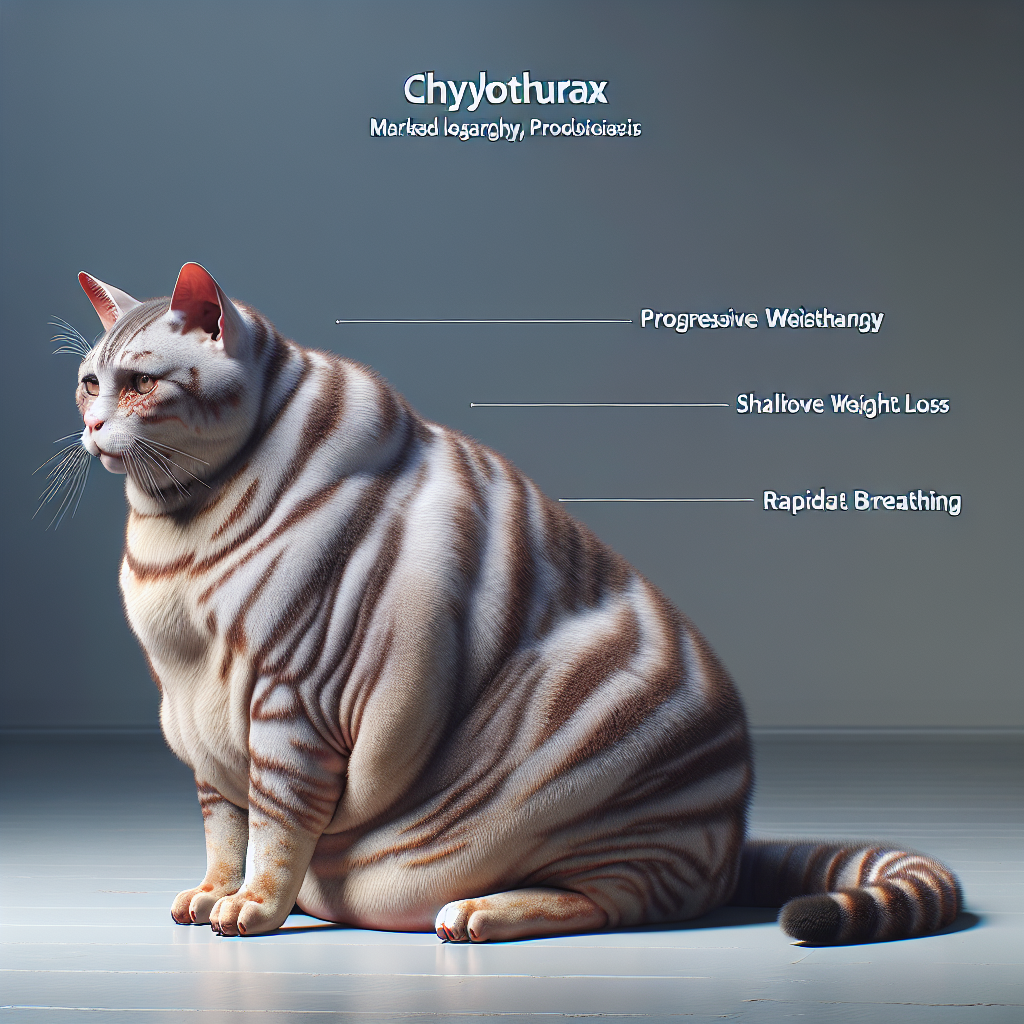
The collapse of the windpipe in cats can present with various symptoms and signs. These may include:
If you notice any of these symptoms in your cat, it is important to consult a veterinarian for a proper diagnosis and appropriate management. For detailed information on diagnosing tracheal collapse in cats, refer to our article on diagnosing windpipe collapse in cats.
Understanding the rarity and severity of tracheal collapse in cats, as well as recognizing the associated symptoms and signs, is crucial for early detection and timely intervention to ensure the well-being of your feline companion.
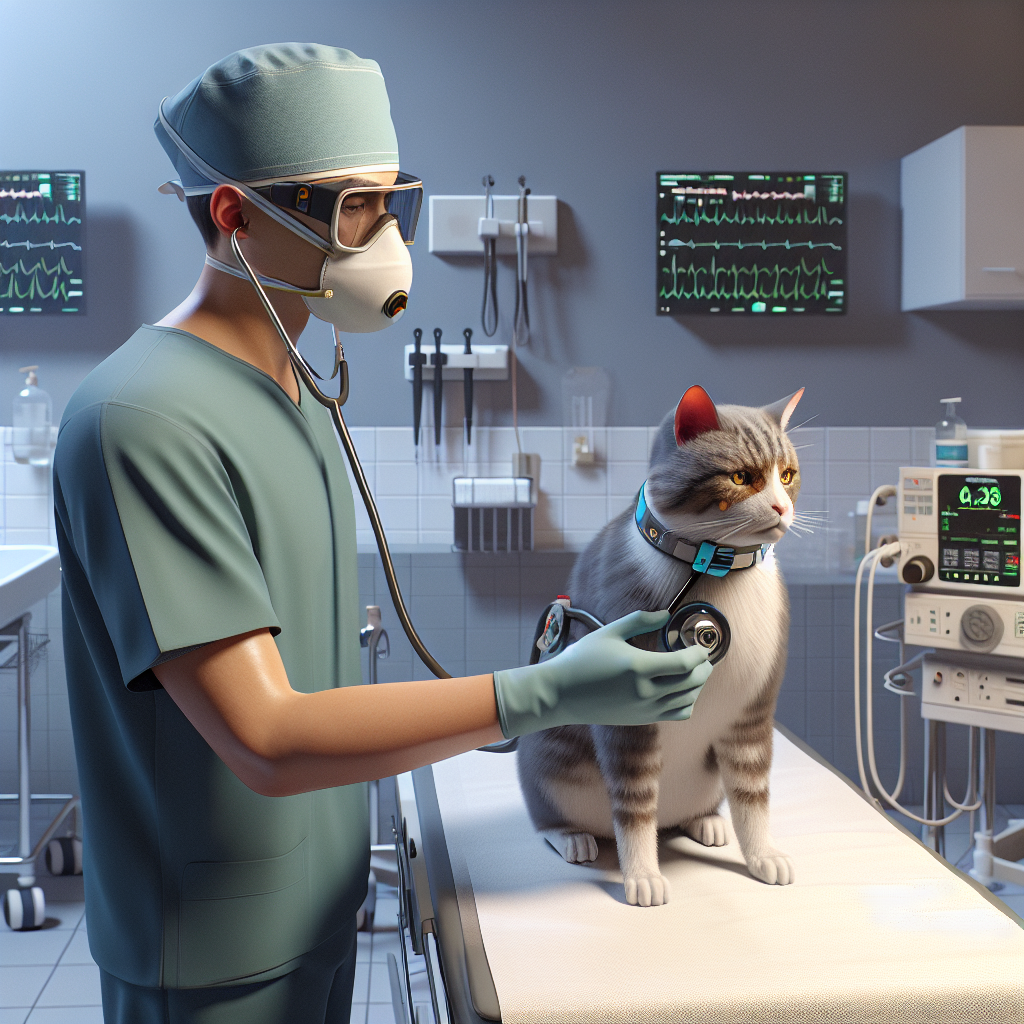
When it comes to diagnosing windpipe collapse in cats, veterinarians face challenges due to the rarity of the condition and its overlapping symptoms with other respiratory conditions. A comprehensive evaluation is necessary to make an accurate diagnosis.
The initial steps in diagnosing windpipe collapse involve a thorough medical history and physical examination. However, these steps alone may not provide a definitive diagnosis. Additional diagnostic methods are often required to confirm the presence of tracheal collapse.
Diagnostic techniques commonly used include:
A combination of these diagnostic methods is often used to achieve an accurate diagnosis.
The prognosis for cats with windpipe collapse can vary depending on the severity of the condition and the presence of any underlying health issues. While there is no cure for tracheal collapse, management options are available to alleviate symptoms and improve the quality of life for affected cats.
With appropriate medical management and lifestyle adjustments, many cats with tracheal collapse can lead relatively normal lives. Medications such as bronchodilators, cough suppressants, and anti-inflammatory drugs may be prescribed to manage symptoms and reduce airway inflammation.
In cases where medical management alone is insufficient, surgical intervention may be considered. Surgical options include tracheal stenting, which involves placing a stent to support the weakened trachea and improve airflow.
It is important to note that the prognosis for cats with severe or advanced tracheal collapse may be more guarded. Regular monitoring and follow-up with a veterinarian are crucial to ensure appropriate management and adjust treatment plans as needed.
By seeking prompt veterinary attention and adhering to the recommended treatment plan, cat owners can provide their feline companions with the best chance of managing the challenges associated with windpipe collapse.
In the next section, we will explore the causes and risk factors associated with windpipe collapse in cats.
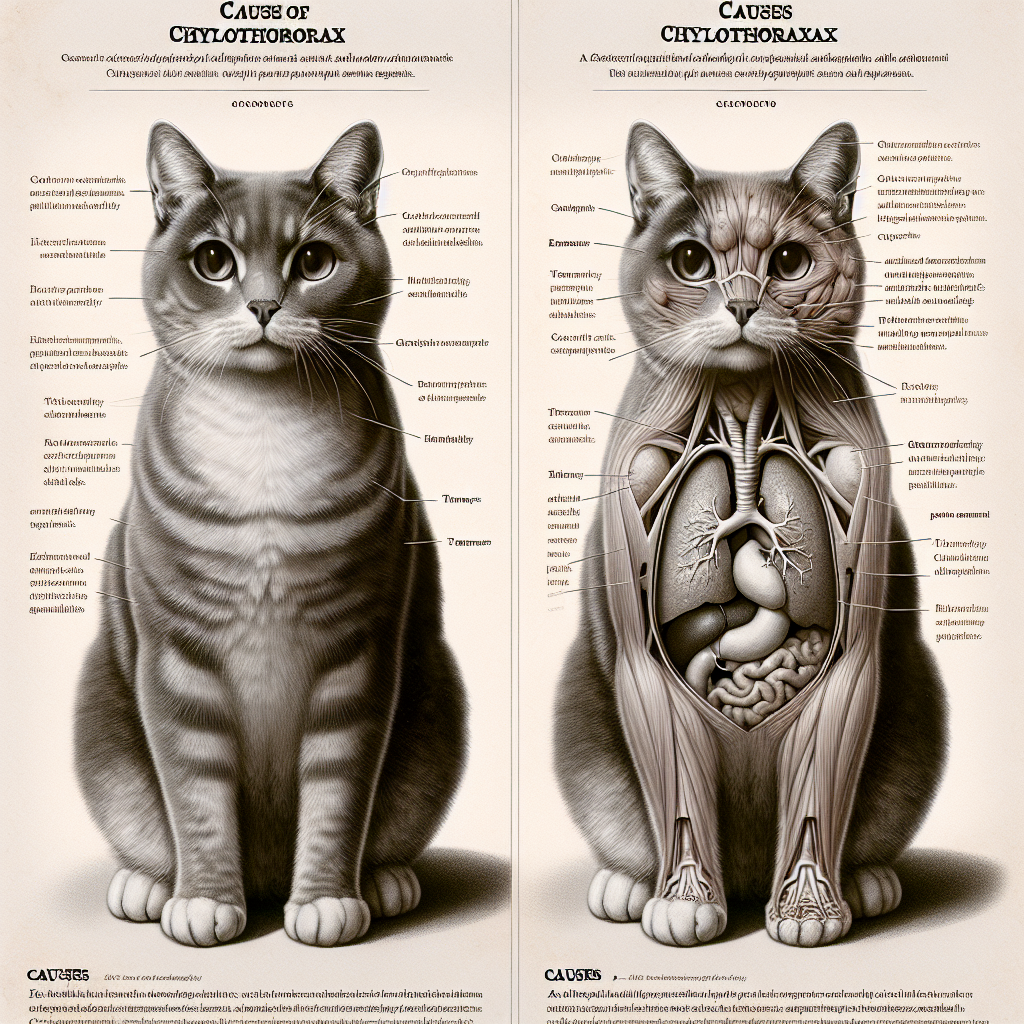
To understand the causes and risk factors associated with the collapse of the windpipe in cats, it is important to consider both congenital factors and acquired triggers.
The collapse of the windpipe in cats can be caused by congenital factors, which are present from birth. These factors are typically attributed to genetic abnormalities that weaken the cartilaginous rings of the trachea. While the exact genetic mechanisms are still being studied, it is understood that certain genetic factors can contribute to the development of tracheal collapse in cats (VetMed Utah). It is worth noting that both male and female cats are equally likely to be affected by this condition (WagWalking).
In addition to congenital factors, there are acquired triggers that can lead to the collapse of the windpipe in cats. These triggers are external factors that can contribute to the weakening of the trachea and exacerbate the condition. Some common acquired triggers include:
Understanding these acquired triggers can help cat owners take preventive measures to reduce the risk of windpipe collapse. It’s important to consult with a veterinarian to identify and address any underlying conditions that may contribute to the development of tracheal collapse in cats. For more information on diagnosing windpipe collapse in cats, refer to our article on diagnosing windpipe collapse in cats.
When it comes to managing windpipe collapse in cats, there are various treatment options available depending on the severity of the condition. The two primary treatment approaches for windpipe collapse in cats include medical management and surgical interventions.
Medical management is often the first line of treatment for cats with a collapsed windpipe. This approach aims to alleviate symptoms, reduce inflammation, and improve the overall respiratory function of the cat. The specific medical management techniques may include:
It’s important to note that medical management alone may not provide a permanent solution for severe cases of windpipe collapse. In such instances, surgical interventions may be necessary.
Surgery may be recommended for cats with severe windpipe collapse or when medical management fails to provide adequate relief. The specific surgical procedures will depend on the individual case and the underlying cause of the collapse.
It’s important to note that surgical interventions carry certain risks and complications, which should be thoroughly discussed with a veterinarian. Post-surgery care and monitoring are crucial for a successful recovery.
Determining the most appropriate treatment approach for a cat with windpipe collapse requires a comprehensive evaluation by a veterinarian. They will consider the severity of the condition, the cat’s overall health, and other individual factors to tailor the treatment plan accordingly. Regular check-ups and follow-up appointments are essential to monitor the cat’s progress and make any necessary adjustments to the treatment plan. For more information on diagnosing windpipe collapse in cats, please refer to our article on diagnosing windpipe collapse in cats.
Recovery and long-term care play a vital role in managing windpipe collapse in cats. After treatment, it is essential to provide appropriate post-treatment care and continue monitoring the cat’s health.
After surgical correction for windpipe collapse in cats, the recovery process typically involves hospitalization for one to two days, medication to control pain and reduce swelling, and minimizing activity for at least two weeks. It is important to follow your veterinarian’s instructions carefully during this time (Wagwalking).
Additionally, it may be necessary to make certain lifestyle modifications to ensure the cat’s comfort and aid in the healing process. These modifications may include providing a calm and stress-free environment, avoiding situations that could cause excessive excitement or coughing, and ensuring the cat has easy access to water and a well-balanced diet.
Regular veterinary follow-up visits are crucial for monitoring the cat’s recovery and assessing their overall health. These visits allow the veterinarian to evaluate the healing process, address any concerns, and make any necessary adjustments to the treatment plan.
During follow-up visits, the veterinarian may conduct physical examinations, perform imaging tests, or recommend additional diagnostic procedures to ensure the cat’s windpipe is functioning properly. They will also provide guidance on long-term management strategies and preventive measures.
It is important to note that the prognosis for cats with windpipe collapse is generally positive with proper treatment and weight management. However, each case is unique, and the cat’s response to treatment may vary. Regular communication with the veterinarian is essential to address any changes in the cat’s condition and ensure the most appropriate care is provided.
To prevent future episodes of windpipe collapse and promote long-term well-being, it is essential to follow any recommendations provided by the veterinarian. This may include weight management, avoiding exposure to irritants or triggers, and implementing any necessary lifestyle modifications.
By providing diligent post-treatment care and maintaining regular veterinary follow-up, cat owners can help their feline companions recover from windpipe collapse and minimize the risk of future complications.